Unknown's avatar

About badblokebob

Aiming to watch at least 100 films in a year. Hence why I called my blog that. http://100films.co.uk

Merry Christmas from 100Films.co.uk

It’s a little after midnight on 25th December here in the UK, so from all here at 100Films.co.uk (“all” being me — there’s only me), a Merry Christmas to you and yours — and if it can’t be merry, I hope it can be safe and peaceful.

2022 has been a year of big changes round these parts — a new name; a new look; something of a new purpose… which kinda failed at the first hurdle.

But no matter! 2023 is a new year, and the Challenge will be reshaped somewhat, and I go again. See you there, faithful reader.

2022 | Week 35

When I revived 2007’s weekly(-ish) review compilation format at the start of 2022, the main objective was to write shorter reviews (not necessarily as short as the couple-of-sentences-per-film I wrote back in 2007, but not worrying about trying to do full write-ups for everything), which would help enable me to stay more up-to-date. Well, the former has only been partially successful, and that means the latter has slipped, too: here we are, rapidly heading towards the end of December, and I’m only just posting reviews of films I watched at the end of August / start of September. I’m certainly not going to have 2022 finished before 2023 begins.

Hey-ho, there’s nothing to be done about it — other than remind myself I was intending to be more concise and more on top of things, and continue to try to push myself in that direction. In the meantime, on we go, with…

  • Mona Lisa (1986)
  • Mirror (1975), aka Zerkalo
  • Clerks (1995)
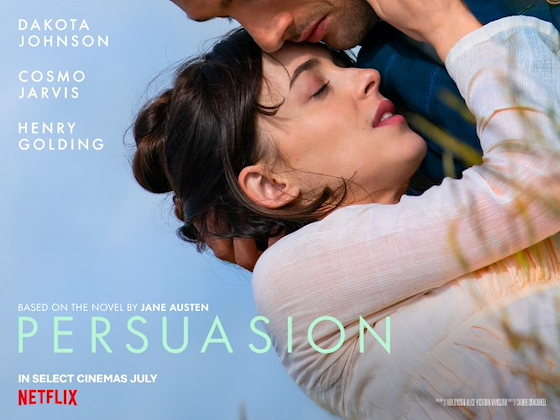
  • Persuasion (2022)
  • He Walked by Night (1948)


    Mona Lisa

    (1986)

    Neil Jordan | 104 mins | Blu-ray | 1.85:1 | UK / English | 15 / R

    Mona Lisa

    Neo-noir filtered through a British sensibility — which means you get a character study merely garnished with genre thrills, especially when the character in question is played by Bob Hoskins, adding depth and complexity to your could-be-straightforward protagonist.

    Said protagonist is George, a recently-released minor gangster looking for work. He’s an interesting mix of a character: streetwise but also kinda naïve; racist and judgemental, but without really meaning it. It’s like he’s just reciting stuff he’s heard from everyone else, rather than it being stuff he really believes. Well, isn’t that true of so many with horrendous opinions? These days they just get them from YouTube. George’s prejudices are somewhat challenged when he’s assigned to drive around a high-class call girl, Simone, who happens to be black. Although Hoskins took most of the plaudits (including an Oscar nomination and BAFTA win), as Simone, Cathy Tyson breathes an equal amount of life into a character that, similarly, in lesser hands could’ve just been a plot-driving mystery. (She was also nominated for a BAFTA, incidentally.)

    The film’s style is an interesting mishmash, in that it has an element of British grit and groundedness — especially being shot on grainy film, all on location in London, in a world of everyday gangsters and prostitutes — but with fantastical and/or genre flourishes — George’s friend Thomas creates weird art stuff and engages in literary discussions; nighttime London is shot to look like a vision of Hell; and then there’s all the noir stuff in the construction of the story. There’s a version of this film that fully gives in to that genre, but the comedy and ‘fantasy’ dilutes the neo-noir aspects, making the film more unique, and distinctly British.

    The fact Arrow initially released Mona Lisa as the de facto lesser half of a double-bill with earlier Hoskins-starring gangster flick The Long Good Friday does it something of a disservice (though it’s also is the primary reason I had it in my collection to prompt me to watch it, so swings and roundabouts). This is a film more than worthy of standing on its own; and one that, while not poorly regarded or completely forgotten, merits a wider rediscovery.

    4 out of 5

    Mona Lisa is the 53rd film in my 100 Films in a Year Challenge 2022. It was viewed as part of “What Do You Mean You Haven’t Seen…?” 2022. It placed 11th on my list of The Best Films I Saw in 2022.


    Mirror

    (1975)

    aka Zerkalo

    Andrei Tarkovsky | 107 mins | digital (HD) | 1.37:1 | Soviet Union / Russian | U

    Mirror

    Andrei Tarkovsky’s poetic evocation of memory and mid-20th-century Soviet history. If that sounds a bit Arty, just wait ’til you hear Criterion’s blurb, which says it’s “as much a poem composed in images, or a hypnagogic hallucination, as it is a work of cinema.” Oh dear, sounds like Hard Work, right? Well, it is.

    Calling it “visual poetry” might sound like pretentiousness, but it really isn’t — Mirror definitely plays more like that than a traditional narrative film. And, just like most poetry, I didn’t really get it. I must confess that I was tuning out by the end; partly due to tiredness, which is my own fault; but partly that the film gave me nothing to really latch on to; no (clear) narrative or character or anything for me to focus on to keep my wavering attention in the right place. On the bright side, it avoided being a total disaster in my eyes by having some nice-looking bits, and individual scenes or sequences that kinda work. But I absolutely do not “get it” as a whole cohesive piece of art.

    Clearly, this kind of thing works for some people — Sight & Sound’s most recent poll ranked it 31st, and the director’s poll (which I would normally argue errs slightly more mainstream) went even better and placed it 8th. Each to their own. Based on his work that I’ve seen so far, I just don’t think Tarkovsky’s for me.

    2 out of 5

    Mirror is the 54th film in my 100 Films in a Year Challenge 2022. It was viewed as part of Blindspot 2022.


    Clerks

    (1994)

    Kevin Smith | 88 mins | DVD | 1.85:1 | USA / English | 15 / R

    Clerks

    There’s no escaping the fact that Clerks is very much a product of its time, both in itself as a work of art, and in how it became a breakout success. (Can you imagine a film like this launching a career like Kevin Smith had (for a bit) if it was made today? Best you could hope for now is being seen by half-a-dozen festival-goers before the director gets tapped to be Kevin Feige’s puppet on some Marvel content.) That said, for all its ’90s-time-capsule-ness, it holds up pretty well as a piece of entertainment. By which I mean, I laughed multiple times and was never bored.

    The story, such as it is, concerns a pair of convenience store workers hanging out for a day, and the various little dramas and incidents that occur to and around them. Serving as both writer and director, Smith quite cleverly turns bugs into features. No budget? Make that the whole aesthetic, with grainy 16mm photography and an everyday setting in which ‘nothing’ happens. Non-pro actors? Have everyone deliver all their lines mile-a-minute, thus making the whole thing feel kinda heightened and stylised, to the point where you can’t be sure if most of the cast can’t act or it was all a deliberate choice. This is further fed by Smith often letting scenes play out in long takes with no cuts — if these guys can remember all their lines to do a whole scene in a oner, they must be pretty professional, right?

    Impressively for a first-timer behind the camera, Smith doesn’t go overboard with directorial flourishes. There’s the occasional shot or sequence with some extra pizzazz to keep up the visual interest, but he seems to know that less is more; that this is the kind of film that plays best in medium shots. This might sound like basic stuff, but evidence shows that first-time filmmakers with something to prove are regularly tempted to go all-out and make something that feels Directed. That might be nice for a showreel, but for an actual film, restraint goes a long way.

    Technique aside, the content just works. These characters are likeable enough to hang out with for 90 minutes, because that’s effectively all we’re doing. But there’s enough variety in their conversations and situations, and enough genuinely funny lines and moments, that it works and is enjoyable, rather than being a dull or directionless slice-of-life piece.

    4 out of 5

    Clerks is the 55th film in my 100 Films in a Year Challenge 2022.


    Persuasion

    (2022)

    Carrie Cracknell | 108 mins | digital (UHD) | 2.00:1 | USA / English | PG / PG

    Persuasion

    Jane Austen adaptations appear to be perennially popular, so it was probably only a matter of time before Netflix attempted one. Here, they’ve retained the original setting but given proceedings a modern-ish wash, apparently influenced by their hit series Bridgerton style (I’ve never seen Bridgerton, so this is based on the trailers and that others have made the same comparison). The result? A trailer that met with a great deal of displeasure from Austen fans, not keen on the apparent irreverence to the source material. I’ve never read Austen, either, so I’ll leave exact comparisons to the more knowledgeable.

    That said, I can’t say the trailer fully won me over, but I thought I’d allow the film its chance. And it’s not terrible — there are lots of nice scenes and moments to be found. Unfortunately, they’re undercut by the bits everyone talked about from the trailer: the clearly-Fleabag-inspired gurns to camera; the banal and misplaced modern-style dialogue. The really sad thing is that there aren’t actually very many of those bits — the ones that were widely cited as “examples” are nearly all of them, in fact — and so there is nearly a very nice film here.

    Dedicated fans of Austen’s original work, and those who prefer their period dramas played straight and faithful, will likely still find those moments off-putting. If you’re prepared to overlook the missteps, this Persuasion is largely likeable.

    3 out of 5

    Persuasion is the 56th film in my 100 Films in a Year Challenge 2022.


    He Walked by Night

    (1948)

    Alfred Werker | 79 mins | digital (HD) | 4:3 | USA / English | PG

    He Walked by Night

    “A film that started as a humble low-budget offering from a second-tier studio, but wound up being one of the most influential films of its era” is how ‘Czar of Noir’ Eddie Muller describes He Walked by Night in his introduction for TCM’s Noir Alley strand. That’s partly because it inspired the radio series Dragnet, which was immensely significant in the development of police procedural series, a genre that remains a bread-and-butter staple of TV entertainment to this day. But also because it was shot by cinematographer John Alton — “the greatest noir stylist of all time”, says Muller, and here he produced “one of the most dramatically photographed film noirs ever”. There’s debate over whether the film was actually helmed by its credited director, Alfred Werker, or if Anthony Mann actually did most of the work. “It doesn’t really matter,” says Muller, “because the picture’s held together by the stunning visual style of its singular cinematographer”.

    Well, I can’t disagree. This is a gorgeously shot film, and a concise exemplar of all we know of film noir style — primarily, abundant shadows. But it’s not just the imagery that makes it work. There are multiple tense suspense sequences, often making great use of silence — this is a film not afraid to be quiet when it’s effective — climaxing with an incredibly atmospheric chase and shootout in the LA storm drain system. We spend a lot of time with the villain, Roy Martin — the film is definitely a howcatchem; no whodunit mystery here — who’s superbly played by Richard Basehart. Coming back to the point about silence, Martin is a loner, so he doesn’t get much dialogue a lot of the time, but Basehart still effectively conveys how smart and cunning he is. Also worthy of note is Whit Bissell as an electronics dealer who unwittingly sold on ‘inventions’ that Martin had in fact stolen. The poor guy is clearly innocent and been duped, but he ends up between a rock and a hard place when the police aren’t sure they believe that.

    The overall style of He Walked by Night is intensely procedural and serious about it, but it still finds room for glimpses of character, both from the cops and the criminals; and there’s humour, too. That helps give it a bit of light and shade, and also genuine reality — you’ll find humorousness everywhere in real life, however serious events may be.

    4 out of 5

    He Walked by Night is the 57th film in my 100 Films in a Year Challenge 2022.


  • Abandoning the 100 Films Challenge 2022

    There are 10 days of the year left — 11 if you include this evening — and I have 11 films left to complete my 100 Films Challenge (you can see the state of things on the tracker, here). It seems almost like a match made in heaven. But it isn’t. Quite the opposite, in fact. Which is why I’ve decided to abandon the challenge at this point.

    Why? When I’m so close and it seems so possible, why?

    Well, it may look doable on paper, but it isn’t in real life. Not this particular real life, for me, here in 2022. Not for any grand or scary reason; just simple scheduling.

    Here’s the problem: having to watch specific films. The old-style “any 100 films in a year”? Easy peasy. Done it already, in fact (I mentioned it in November’s review). That’s why I created the new system: to make the Challenge more of a challenge. But it’s turned out to be too challenging this year. It’s my own fault — I was too laissez-faire earlier in the year. “There’s plenty of time to catch up.” Reader, there was not plenty of time. Or if there was, I still let it run out.

    With the days of the year that are left, and knowing my personal schedule (of family get togethers and whatnot), some of it is still possible. Three DVDs? Not too hard. Three ‘series’ films? Yep, could do. One more film noir? A doddle. A wildcard attached to one of those three categories? Hardly a wildly difficult task.

    Here’s the rub: Yi Yi for Blindspot, and The Name of the Rose and The Transformers: The Movie for WDYMYHS. One of them? Plausible. Two of them? At a stretch, possibly. All three? Nah. And with the aforementioned categories as well? Not on your nelly. I’ve just run out of time to make them all work with the other stuff I have going on for the rest of the year.

    Also: even if I could get it done, it’d be pretty unrelenting, with little or no room for ‘free viewing’. Catching up on some 2022 misses? Forget it! Christmas films? Not bloody likely! A relaxing something-and-nothing flick on a lazy holiday afternoon? Get back to it, Challenger!

    By choosing to abandon the uncompleteable challenge, I give myself permission to (perhaps) watch some of those things. Might I still tick off a few more films — watch some DVDs; progress some series; maybe even allow a little more noir into the white of Christmas? Perhaps. Perhaps not. That I don’t have to doesn’t mean I won’t. But choosing to declare the completion of the Challenge dead at this point means I can just enjoy the last week-and-a-half of the year, without the constant background nagging of how many films I still have to try to squeeze in.

    So, was this new experiment a failure? Well, technically, yes — obviously, because I failed it. But that’s my own damn fault. It’ll be back in 2023, in a revised form. It was always my intention to revise it year by year (there’s a reason the film noir category is called “Genre”, not “Film Noir”, for example), and hopefully 2023’s version will be a little more completable.

    Plus, I must try to remember that leaving such a big chunk ’til the last minute is not a very workable plan.

    Anyway, hopefully this won’t be the last you see of me in 2022 (I’d like to get a bit more caught up on reviews); and then it’ll be the start of 2023 — time to look back at 2022 (I’ve got my usual suite of year-end posts planned (yep, there are gonna be statistics!)), and to begin afresh (for my 17th year).

    2022 | Week 34

    Skipping week 33 (when I didn’t watch anything), here are all the films I watched in week 34 — which, if anyone’s interested, was back in August. Somehow, I don’t think I’m going to get caught up on my 2022 reviews before the end of the year…

  • The Winter Guest (1997)
  • Repeat Performance (1947)
  • Carousel (1956)


    The Winter Guest

    (1997)

    Alan Rickman | 105 mins | digital (SD) | 16:9 | UK & USA / English | 15 / R

    The Winter Guest

    The writing and directing debut of actor Alan Rickman, The Winter Guest follows four loosely-connected pairs of characters through a day in their lives, all confined to a small Scottish seaside town where the stark winter has turned the sea to ice. It’s the kind of film where nothing happens: the characters hang out with each other and talk, basically, with their issues ranging from bereavement to stereotypical teenage sex obsession (one boy played by a young Sean Biggerstaff wants… a bigger staff, wink wink. Sorry, the pun was too tempting to avoid).

    The confined setting and characters means the end result feels theatrical in both style and content — it’s basically just a series of two-handers, with quite mannered dialogue. And yet its staging isn’t so limited, because Rickman and cinematographer Seamus McGarvey do an excellent of of evoking the chilly surroundings (most of the film is set outside), giving the scenery a painterly feel. That’s probably in part due to using digital matte paintings to convey the frozen ocean, but it extends to the beaches and town buildings, too. Or it could just be an unintended side effect of the smoothing conferred by watching in digitally compressed SD; but as it’s just about my favourite aspect of the film, let’s assume it was intentional and skilfully done.

    3 out of 5


    Repeat Performance

    (1947)

    Alfred Werker | 93 mins | Blu-ray | 1.37:1 | USA / English

    Repeat Performance

    On the eve of 1947, actress Sheila Page (Joan Leslie) shoots dead her husband (original Saint Louis Hayward). She flees, ending up at the home of her producer (second Falcon Tom Conway) in the early hours of New Year’s Day… 1946. Given the chance to re-live the past year, can she make things right?

    Repeat Performance gets classified as film noir, but I feel like it’s one of those films that sits on the periphery of what qualifies for the genre. The opening — in which a woman shoots dead her husband, in New York City at night — yes, very noir. But what unfurls over the next 90 minutes is more of a backstage romantic melodrama by way of Twilight Zone-style fantasy. But that’s the thing with noir: as a movement that wasn’t recognised and codified as a genre until after it was over, what ‘counts’ can be a very broad church.

    Here, the odd combination of styles makes for an unusual and mostly entertaining film. My only real gripe is that we’re given very little idea what went on in the ‘original’ 1946, so it’s hard to tell how much effort Sheila is actually making to change it, or to follow how successful she’s being. This kind of perspective is perhaps the benefit of a further 75 years of development and refinement in the field of fantastical storytelling — Repeat Performance isn’t a Fantasy film in the true genre sense, more a Thriller with a neat inciting twist, a la Sliding Doors (my go-to example of a Fantasy film that doesn’t care it’s a Fantasy film!)

    The plot is bolstered by strong or likeable performances across the board. Some of the lead cast may be better known for starring in B-movie schedule-fillers, but this is proof if proof were needed that to interpret that as a sign of limited skill on their part would be an incorrect conclusion. Which is a rather torturous way of saying “Hayward and Conway were quite good actors, actually”. Hayward is particularly good here, getting to show off his range from loving husband to psychopathic abuser, plus a few other stages in between. Conway is more at the likeable end of the spectrum as Sheila’s kindly producer, while Richard Basehart’s performance (in his movie debut) as queer-coded poet William Williams (in the original novel, the character is a transvestite) was so impressive that the producers gave him more scenes with Leslie and bumped up his billing.

    4 out of 5

    Repeat Performance is the 52nd film in my 100 Films in a Year Challenge 2022.


    Carousel

    (1956)

    Henry King | 123 mins | digital (HD) | 2.55:1 | USA / English | U

    Carousel

    Carousel is a spectacularly odd entry in the Rodgers & Hammerstein canon of musicals. Based on a play called Liliom (which was previously filmed by Frank Borzage in 1930 and Fritz Lang in 1934), it tells the story of a carnival barker (Gordon MacRae) who’s been dead 15 years, but in flashback we learn of how he fell in love and married, and how he died, and why he now gets a chance to go back for a day to make amends. That almost makes the film sound focused. As it plays out, the storyline has a weirdly aimless quality, not helped by songs that are mostly mediocre or bizarre. That’s before we get to the horrendously outdated views on domestic violence, or the fact that it’s not actually got very much to do with the titular fairground attraction.

    The darker material and themes could work in the right setting, but here they clash with the sunny seaside photography and stereotypically cheerful musical numbers. I mean, this is a story about a physically abusive husband and wannabe small-time crook, who can’t even change his ways when the afterlife gives him a second chance, and we have songs about the beauty of summer and the joys of a clambake (the latter may haunt your memories…)

    A strange film, and not in the good way. At least it’s made me curious to see the Borzage and Lang versions — perhaps as a straight drama it will be more obvious why this has merited adaptation so many times.

    2 out of 5


  • Sight & Sound’s The 100 Greatest Films of All Time (2022 edition)

    Well, well, well — the latest iteration of Sight & Sound’s decennial poll is here, and if you thought the last one upset the applecart by displacing Citizen Kane at #1 for the first time in 50 years, this edition has flipped the cart over, set it on fire, pushed it off a cliff, and dropped a nuke on it for good measure.

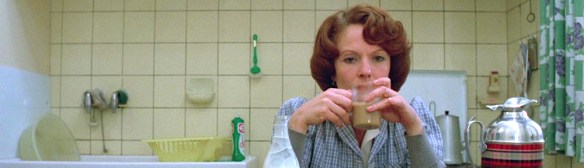
    Okay, maybe that’s a slightly exaggeration — the previous top two are still both in the top three — but the new #1 is a bit out of leftfield. Sure, it’s a film that’s fairly well known in cinephile circles (though I’ve seen multiple people on Film Twitter confess to never having heard of it), but to normies it probably sounds like something that’s been made up as a spoof of The Kind Of Film That Tops These Lists: it’s a 3-and-a-half-hour Belgian film about a woman doing household chores.

    While I imagine regular folk are getting mad about that in comments sections across the internet (it’s also directed by a woman, which will undoubtedly have set off a certain kind of comment section dweller), Film Twitter seems to have largely taken the news in its stride, instead choosing to get worked up about the inclusion of very recent films, like Portrait of a Lady on Fire at #30, Moonlight at #60, Parasite at #90, and Get Out at #95. Can any film so new be already deserving of a place on a list of the greatest films ever made? Some people think not, reckoning a movie needs a good length of time to settle in to a place in ‘the canon’. Others say why wait? A great movie is a great movie.

    Personally, I tend towards the latter; especially in a poll like this, which is the results of thousands of individual top tens, not of a group of people sitting down together to hash out every inclusion and their relative merits. I mean, if you saw Get Out on its release five years ago, but only watched Citizen Kane for the first time last week, which do you have a longer-considered personal opinion on? Sure, you know the latter is a long-assessed Great Movie, but how much should that matter in your personal assessment? Such external knowledge isn’t necessarily a negative when processing your own reaction to a movie, but if we were only ever allowed to consider certified classics as classics, nothing would ever change. If enough individuals consider Portrait of a Lady on Fire to be in their personal top ten movies that, when all the votes are added up, it places 30th overall, why is there anything wrong with that?

    On a personal note, despite a raft of changes throughout the 100 (a good many previously-well-established films have plummeted out of the list, replaced by brand-new entries), the number I myself have seen goes from 72 to… 73.


    The issue of Sight & Sound with their full write-up of the poll is out next week, and can be preordered here (with four covers to choose from). The full list, and at least some of the related writing, can be found online here — and summarised below, of course. As with last time, I’ve copied Sight & Sound’s ordering for ties (still don’t know their methodology), I’ve used the same titles as them for non-English films (some have changed since the last poll), and any links are to my own reviews (either here or on Letterboxd).


    1

    Jeanne Dielman 23, quai du Commerce, 1080 Bruxelles

    (1975)

    2

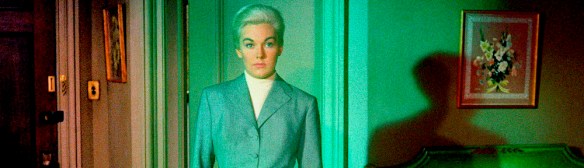
    Vertigo

    (1958)

    3

    Citizen Kane

    (1941)

    4

    Tokyo Story

    (1953)

    7

    Beau travail

    (1998)

    8

    Mulholland Dr.

    (2001)

    9

    Man with a Movie Camera

    (1929)

    11) Sunrise: A Song of Two Humans (1927)
    12) The Godfather (1972)
    13) La Règle du jeu (1939)
    14) Cléo from 5 to 7 (1962)
    15) The Searchers (1956)
    16) Meshes of the Afternoon (1943)
    17) Close-Up (1989)
    18) Persona (1966)
    19) Apocalypse Now (1979)
    20) Seven Samurai (1954)
    21=) The Passion of Joan of Arc (1927)
    21=) Late Spring (1949)
    23) Playtime (1967)
    24) Do the Right Thing (1989)
    25=) Au hasard Balthazar (1966)
    25=) The Night of the Hunter (1955)
    27) Shoah (1985)
    28) Daisies (1966)
    29) Taxi Driver (1976)
    30) Portrait of a Lady on Fire (2019)
    31=) (1963)
    31=) Mirror (1974)
    31=) Psycho (1960)
    34) L’Atalante (1934)
    35) Pather Panchali (1955)
    36=) City Lights (1931)
    36=) M (1931)
    38=) À bout de souffle (1960)
    38=) Some Like It Hot (1959)
    38=) Rear Window (1954)
    41=) Bicycle Thieves (1948)
    41=) Rashomon (1950)
    43=) Stalker (1979)
    43=) Killer of Sheep (1977)
    45=) Barry Lyndon (1975)
    45=) The Battle of Algiers (1966)
    45=) North by Northwest (1959)
    48=) Ordet (1955)
    48=) Wanda (1970)
    50=) The 400 Blows (1959)
    50=) The Piano (1992)
    52=) Fear Eats the Soul (1974)
    52=) News from Home (1976)
    54=) Le Mépris (1963)
    54=) Blade Runner (1982)
    54=) Battleship Potemkin (1925)
    54=) The Apartment (1960)
    54=) Sherlock Jr. (1924)
    59) Sans Soleil (1982)
    60=) La dolce vita (1960)
    60=) Moonlight (2016)
    60=) Daughters of the Dust (1991)
    63=) GoodFellas (1990)
    63=) The Third Man (1949)
    63=) Casablanca (1942)
    66) Touki Bouki (1973)
    67=) Andrei Rublev (1966)
    67=) La Jetée (1962)
    67=) The Red Shoes (1948)
    67=) The Gleaners and I (2000)
    67=) Metropolis (1927)
    72=) L’avventura (1960)
    72=) Journey to Italy (1954)
    72=) My Neighbour Totoro (1988)
    75=) Spirited Away (2001)
    75=) Imitation of Life (1959)
    75=) Sansho the Bailiff (1954)
    78=) Sunset Blvd. (1950)
    78=) Sátántangó (1994)
    78=) A Brighter Summer Day (1991)
    78=) Modern Times (1936)
    78=) A Matter of Life and Death (1946)
    78=) Céline and Julie Go Boating (1974)
    84=) Blue Velvet (1986)
    84=) The Spirit of the Beehive (1973)
    84=) Pierrot le fou (1965)
    84=) Histoire(s) du Cinéma (1998)
    88=) The Shining (1980)
    88=) Chungking Express (1994)
    90=) Parasite (2019)
    90=) Yi Yi (1999)
    90=) Ugetsu Monogatari (1953)
    90=) The Leopard (1963)
    90=) Madame de… (1953)
    95=) A Man Escaped (1956)
    95=) Once Upon a Time in the West (1968)
    95=) Tropical Malady (2004)
    95=) Black Girl (1965)
    95=) The General (1926)
    95=) Get Out (2017)

    November’s Failures

    So, what’s the big cinema release of the month? Is it the latest instalment in the MCU, and the first direct sequel to that franchise’s only Best Picture nominee, Black Panther: Wakanda Forever? Or is it the limited theatrical release Netflix afforded to Knives Out sequel Glass Onion? Apparently it was such a roaring success during its one-week engagement, it left cinemas begging Netflix to extend its run and the box office commentariat noting Netflix’s obsession with avoiding/killing theatrical releases is seeing them leave millions (perhaps tens or even hundreds of millions) of dollars on the table. Funny days we live in.

    There were a bunch of Netflix titles in cinemas this month, in fact, though none near enough to me to truly consider, so I’ll mention them when they actually arrive on the streamer. That said, if you’re outside the UK and Ireland, Matilda — or, to give it its full proper title, Roald Dahl’s Matilda the Musical — will be a Netflix Original when it premieres there at Christmas. Here, it’s a StudioCanal release with regular theatrical distribution (and a Netflix debut next summer). It’s an adaptation of the highly-acclaimed Royal Shakespeare Company stage production, with songs by the wonderful Tim Minchin, which I’ve wanted to see since it opened (12 years ago) but have never found myself getting round to it. And now, frankly, I feel a bit weird going to see a children’s/family film in the cinema on my lonesome, so I guess I’ll be waiting for Netflix too. In the meantime, I’m just going to listen to Revolting Children on loop…

    Also getting UK theatrical releases (of one scale or another) last month were Bill Nighy-starring Ikiru remake Living; fine dining thriller The Menu; festival favourite Aftersun; star-studded Armageddon Time; another attempt to reignite the “Jon Hamm is a leading man” spark in Confess, Fletch; real-life #MeToo retelling She Said; cannibal drama Bones and All; and under-promoted Disney animation Strange World. Plus a bunch of other titles I noted down but now can’t remember what they are, so I guess they’re not too significant.

    Over on the streamers, Netflix tried to score blockbuster-style impact with the likes of Slumberland, an extravagant-looking (read: lots of CGI) family fantasy starring Jason Momoa and directed by Francis “Hunger Games” Lawrence. There was also the new work from Cartoon Saloon (last seen going Apple TV+ exclusive with WolfWalkers), the even-more-kid-focused My Father’s Dragon. And period drama The Wonder, starring Florence Pugh, provoked some chat for its “this is a film” opening shot/voiceover, if nothing else. And yet they were all topped by Falling for Christmas, a made-for-TV-level piece of festive churn starring Lindsay Lohan (yes, apparently she’s still working) and with no one else of note involved. Normally I wouldn’t mention shit like this, but it was Netflix’s #1 movie at one point (yes, really), plus I saw a review on Twitter that said it was so unremittingly terrible it made for a hilarious watch. I doubt I’ll actually test that assessment, though.

    Apple TV+ went down a bigger-budgeted festive route, with Ryan Reynolds and Will Ferrell starring in yet another remix of Dickens’ A Christmas Carol, this time a musical one titled Spirited. I’ve not really heard any reactions to it, probably because it’s on Apple TV+. Sky Cinema’s HBO Max affiliation granted them A Christmas Story Christmas, but as the original Christmas Story never seemed to be as big a deal here as it apparently is in the US, I doubt anyone will care. No such jollity on Prime Video, whose main original offering was My Policeman, which I’d heard of primarily because it stars Harry Styles and Emma Corrin, and Amazon’s promotion did little to enlighten me further, going with just a photo of Styles in a policeman’s uniform as the poster and key art. It looks like a period drama. I doubt I’ll watch it. Of more interest is Good Night Oppy, a documentary about the Mars rover that was expected to last 90 days but went on exploring for 15 years. Feels like exactly the kind of thing I put on my watchlist and maybe get round to on a whim one day in four or five or six years’ time.

    Meanwhile, MUBI’s biggest debut wasn’t really a film at all: following restored releases of Lars von Trier’s ’90s miniseries The Kingdom and The Kingdom II, they’re currently premiering weekly new episodes of the third and final season, The Kingdom Exodus. I’ve been interested in the series for a while (I own the original two runs in a Second Sight DVD box set that Amazon tells me came out in 2011), but finding time for 13 episodes of TV is always a challenge these days. In a similarly TV-ish position, the most noteworthy thing on Disney+ was The Guardians of the Galaxy Holiday Special. It falls into the same “one-off special” bracket as Werewolf by Night last month, although I think this one sounds more explicitly TV-like; but it apparently contains some Guardians continuity stuff that will likely feed into the third film. Lines, blurred, etc.

    As always, dozens (maybe hundreds) of back catalogue (re)releases on all the streamers further bulked out my watchlists, or made me annoyed that I hadn’t yet watched the disc I bought (I’m looking at you, Another Round, which after a period on Sky has now shifted to Netflix, to doubly rub in that the Blu-ray still sits unseen on my shelf). Despite the prominence of other outfits, Sky Cinema do still seem to get the big-name titles first, this month adding the likes of Morbius, The Northman, The Outfit, and The Phantom of the Open. Your mileage may vary on how much those are “big-name titles”, but I didn’t note anything of comparable scale making its streaming debut anywhere else. However, making noteworthy comebacks were both How the Grinch Stole Christmas — the live-action one with Jim Carrey — on Netflix, and The Grinch — the CG animation with the voice of Benedict Cumberbatch — on Prime Video. Choices, choices. I could keep going with all the stuff that’s popped up on streamers — not just those already mentioned, but also the free TV-based ones like iPlayer, All 4, and now ITVX too (apparently ITV’s new streaming service is finally in HD. Or some of it, anyway. Hopefully that applies to the films, because they have an interesting selection), but, seriously, we’d be here forever.

    So it’s on to my purchases, then, with a list that looks surprisingly short this month. Well, I’m waiting on a lot of stuff to be delivered — both preorders and stuff delayed by the postal issues we’re currently experiencing in the UK — so December might be a bumper month. That said, if I were listing individual titles we might be here a while, because surely the month’s headline release is Arrow’s Shawscope Volume Two, featuring 14 more movies (plus a couple of alternate cuts) from the Hong Kong studio best known (at least in the West) for its prolific martial arts output. Plus, Indicator started a new range of box sets — this time collecting Universal Noir — so that’s another six films on the watchlist. Other brand-new releases included Bullet Train (the trailer looked fun, even if reviews were weak, and the disc was heavily discounted shortly after release, so I took the punt), and a 4K double-bill of Top Gun (now the third copy in my collection, after a special edition DVD (kept for its extras) and the 3D Blu-ray) and Top Gun: Maverick). New editions of archive titles included Arrow’s 4K restoration of Robin Hood: Prince of Thieves and the BFI’s 4K-but-on-regular-Blu-ray release of The Draughtsman’s Contract.

    Despite Black Friday and general end-of-year offers, my sale purchases were limited to a couple of BFI titles (noir comedy Beat the Devil, and Jean-Pierre Melville / Jean Cocteau collaboration Les enfants terribles), a couple from HMV’s Premium Collection range (vampires a la Tony Scott in The Hunger, and the 1944 American remake of Gaslight), and Masters of Cinema’s release of silent drama The Love of Jeanne Ney.

    But after all that, likely to grace my player first is a niche documentary: Doctor Who Am I, coming to disc shortly after a brief theatrical run that also saw it mentioned in last month’s failures. But, unlike when I knew I’d never catch it on the big screen, I fully intend to actually watch it this time.

    The Greatest Monthly Review of November 2022

    A slightly aggrandised title, and not necessarily an applicable one — I mean, what’s so great about this monthly review? That said, as I won’t review November 2022 again, it is my greatest review of this month.

    Whatever — the adjective was actually prompted by my coverage of Sight & Sound’s 2012 Greatest Film of All Time poll (something I’ve been meaning to write up since the blog’s new era began in January) and their release today of the 2022 poll results (due at 7pm GMT).

    Putting that aside for now, here’s the regular monthly business…


    This month’s viewing towards my yearly challenge

    #71 See How They Run (2022) — New Film #11
    #72 Come and See (1985) — Blindspot #9
    #73 Star Trek III: The Search for Spock (1984) — Series Progression #7
    #74 The Mindscape of Alan Moore (2003) — DVD #8
    #75 Howard the Duck (1986) — WDYMYHS #9
    #76 Killer’s Kiss (1955) — Genre #7
    #77 The Killing (1956) — Genre #8
    #78 The Blues Brothers (1980) — DVD #9
    #79 Enola Holmes 2 (2022) — Rewatch #11
    #80 Manhunter (1986) — WDYMYHS #10
    #81 A Woman Under the Influence (1974) — Blindspot #10


    • I watched 12 feature films I’d never seen before in November.
    • Nine of them counted towards my 100 Films in a Year Challenge, along with two rewatches — one of which I’d only watched for the first time earlier in the month. What larks!
    • The film in question was Enola Holmes 2, which wasn’t eligible for any category on my first viewing (the “new film” slot having already been taken by See How They Run), but when I came to rewatch it could count as November’s rewatch.
    • That said, arguably the rewatch slot should have gone to The Blues Brothers, but it was more useful to count it as a DVD. It’s not my disc, so breaks the intention of the DVD category, but as Walk the Line already did that (see last month) it seemed silly to start applying higher morals now. (But if the DVD category continues into 2023, it’s getting reworded. Only I can save me from myself.)
    • While we’re on specific films, this month’s Blindspot films were A Woman Under the Influence and Come and See. After failing to watch the latter for last year’s Blindspot list, I said I wouldn’t make the mistake of leaving it until December again — and I didn’t! That said, it was the shortest of the four films I had left in this category, so, in that sense, watching it first didn’t make my task any easier. Indeed, having also watched A Woman Under the Influence, I’ve left the two longest-of-all films — totalling over 6 hours combined — for December. Oops.
    • This month’s WDYMYHS films were polar opposites in terms of reputation: the notoriously bad Howard the Duck, and the notoriously “good but overshadowed by subsequent films in the same franchise” Manhunter. I loved one and quite enjoyed the other, but I’ll leave you to speculate which was which.
    • From last month’s “failures” I only watched The Lost City.

    Now, a more statistical bent…

    • I reached #100!
    • …under the old system (i.e. counting all new films, but only new films), which isn’t my actual challenge anymore. Oh well.
    • But, for what it’s worth, that’s the latest I’ve done it since… the last time I failed to even get there, when I only reached #97 in 2012. The last time it took until November was 2013 (when I got there on the 13th; this year it was the 15th) — every year since has been earlier.
    • On the bright side, totalling 12 new films makes this the first time I’ve got above my target of 10 per month since June.
    • It also makes November the first month of 2022 to beat its equivalent from 2021. There has never been a year of 100 Films without at least one month that beat its own tally from from the year before, so I’m glad to have dodged that ignominious all-time first.
    • It also means I have good news to report in the averages stakes, for the first time in a while, with November beating all the averages I regularly mention: the average for 2022 to date (previously 9.1, now 9.4); the rolling average of the last 12 months (previously 9.9, now 10.3); and the average for all Novembers (previously 10.8, now 10.9).
    • On a bit of a downer: I’d hoped to get to #85 in my challenge, because I had 30 left to go after October and that would’ve meant a neat 15 in November and 15 in December. Never mind.


    The 90th Monthly Arbitrary Awards

    Favourite Film of the Month

    There were several films I enjoyed a lot this month, and may even find it onto my end-of-year best list (partly because it’s been feeling like a pretty poor year, for whatever reason), but only one prompted me to write “where has this been all my life?!” on Letterboxd, and that was Manhunter. (The answer being “probably being overshadowed by Silence of the Lambs”.)

    Least Favourite Film of the Month
    Easily the biggest disappointment this month was belated-but-awaited sequel Disenchanted — a disappointingly fitting title for a film that lost the magic of its wonderful predecessor. Maybe “it’s such a shame they never made a sequel to Enchanted” would have been a better legacy.

    The Audience Award for Most-Viewed New Post of the Month
    There was only a small handful of posts to choose from this month, but the clear victor was my summary of Sight & Sound’s The 100 Greatest Films of All Time (2012 edition). Is that because everyone loves a list? Or because it was a new feature for the blog? Or because the 2022 edition is imminent (the results are out later today, at 7pm GMT)? Who knows. Maybe time — and further entries in this sporadic series — will tell.


    Every review posted this month, including new titles and the Archive 5


    I’ve got 19 films to go to complete my challenge. That’s bringing back memories of 2008, when I also had to get through 19 films in December to hit my target. I managed it, but only just: I watched three qualifying films on New Year’s Eve to get over the line. Hopefully this year will be less stressfully down to the wire…

    2022 | Weeks 29–32

    2022 may be rushing headlong towards its final stretch (only one month ’til Christmas, people!), but my reviews are lagging behind somewhat: this update takes us all the way back to July and August.

    That said, there’s quite a long spread covered here, because I only watched one film in each of these weeks: 45 Years in week 29, The Bucket List in week 30, previously-reviewed Prey in week 31, and Tintin and the Lake of Sharks in week 32. That’s definitely not the right way to go about watching 100 films in a year, but there we go.

  • 45 Years (2015)
  • The Bucket List (2007)
  • Tintin and the Lake of Sharks (1972), aka Tintin et le lac aux requins


    45 Years

    (2015)

    Andrew Haigh | 95 mins | digital (HD) | 1.85:1 | UK / English | 15 / R

    45 Years

    Charlotte Rampling and Tom Courtenay star as a couple preparing for their 45th wedding anniversary party, when their comfy relationship is rocked by news that brings to the surface events from his past.

    What could have been a histrionic drama about the nature of trust in a relationship instead takes its cue from the characters’ advanced age, and so is a more understated consideration of the same. The length and passage of time is relevant, too: if something happened a long time ago but you only just learnt about it, does that change how you react to the news? Should it? And is the real revelation not the news itself, but the realisation that, even if you’ve lived closely with another person for decades, you can never be truly sure you know them. Another person’s true self is fundamentally unknowable, for any one of us.

    All of which might sound a bit highfalutin, but 45 Years is the kind of film that revels in ambiguity, with characters who never let on their true feelings — in that sense, it feels like a deliberate Acting Showcase for Rampling — and a vague ending, all of which invites you to draw your own conclusions. The final moment feels pointed, but the openness of what went before means it’s up to you what it means. There’s something truthful about that, but also something frustrating.

    4 out of 5


    The Bucket List

    (2007)

    Rob Reiner | 97 mins | digital (HD) | 16:9 | USA / English | 12 / PG-13

    The Bucket List

    I may have written before (but not recently, so let’s do it again) about how Rob Reiner’s directorial career baffles me. He had an incredible run in the ’80s and ’90s — almost back to back he helmed This Is Spinal Tap, Stand By Me, The Princess Bride, When Harry Met Sally, Misery, and A Few Good Men — but then his career suddenly nosedives into a bunch of stuff you’ve mostly never even heard of. What happened? Is there some “John Landis on Twilight Zone“-style ‘secret’ I’m unaware of?

    One of the very few exceptions in his later career (which certainly didn’t lead to that being revived) was this, a breakout hit 15 years ago (yes, it’s 15 years old) of the kind they don’t make so much anymore: a mainstream comedy-drama aimed at adults. It’s about two old men (pure star power in Jack Nicholson and Morgan Freeman) with only months left to live, who decide to spend their final days going on a tour of… green screen studios and kinda-low-res stock footage, apparently. I guess you didn’t get location filming on the kind of budget a film like this was made for even back in 2007.

    Cheap production values aside, it has an insistent sentimentality — undercut with just a big enough dose of snark to stop it becoming too saccharine — that, unsurprisingly, played well with general audiences but, equally unsurprisingly, doesn’t seem to be to the taste of many cinephiles (just look at the middling-to-low scores on Letterboxd, especially of the most-liked reviews, and contrast with its sturdy 7.4 score on IMDb). While I wouldn’t go quite as harsh as many of my fellow Letterboxd users, I do think it’s not that good — it’s broadly likeable, a generally pleasant way to pass 90 minutes, rather than in any way exceptional.

    3 out of 5


    Tintin and the Lake of Sharks

    (1972)

    aka Tintin et le lac aux requins / The Adventures of Tintin: The Mystery of Shark Lake

    Raymond Leblanc | 74 mins | DVD | 4:3 | Belgium & France / English | U

    Tintin and the Lake of Sharks

    Having adapted several of Hergé’s Tintin books for TV and film, Belgian animation outfit Belvision for some reason opted to create an original story for their second big-screen outing with the character (it was later retrofitted into book form, using frames from the film as the illustrations). Written not by Hergé but his friend, fellow Belgian comics creator Greg (aka Michel Regnier), Lake of Sharks feels like exactly what it is: an imitation of a Tintin adventure rather than the real deal.

    Events start out in a typically Tintin fashion, with some crooks after an invention of Professor Calculus’s; but later things take a turn for the Bondian, including an elaborate underwater lair that owes a debt to the imagination of Ken Adam. Eventually it all gets a bit silly, with stuff like an ever-expanding bouncy 3D photocopier, or the villain’s elaborate “you will die in one hour” execution method for Tintin. That kind of adventure serial writing has been so widely mocked at this point (the Austin Powers movies took aim at it 25 years ago; others may have done so before then) that it’s hard to remember there was ever a time when it was still played with a straight face.

    The animation is mostly of a slightly higher quality than Belvision’s previous efforts, but the quality of the designs is variable. The regular cast feel faithfully copied from Hergé, and most other characters are in the right style; but there are a couple of major child characters who look out of place, along with their pet dog. It’s a bit like when you were a kid and mixed action figures from different ranges into the same game: yeah, they’re all still plastic figurines (or, in the case of the film, hand-drawn 2D characters), but stylistically they don’t line up.

    The English dub is an American effort, and far from ideal. None of the voices are great, but most suffice once you get used to them. The exception is Captain Haddock, who is egregiously bad throughout. That said, we’re also subjected to the kids singing a song about a donkey that is unspeakably awful. Couldn’t they have cast actors who could sing? At least that would’ve taken the edge off it.

    3 out of 5

    Tintin and the Lake of Sharks is the 50th film in my 100 Films in a Year Challenge 2022.


  • Sight & Sound’s The 100 Greatest Films of All Time (2012 edition)

    When I relaunched 100 Films back in January, one of the things I promised was “a new occasional series about various 100-film lists — you know, like the Sight & Sound poll, or all those AFI ones.” I hadn’t intended it to take until November to get started on that feature, but here we are.

    And, in truth, I might not even have got round to doing it now, were it not for the fact that the results of Sight & Sound’s latest decennial poll are out next month (or possibly before the end of this one, depending who you listen to). So, before that renders this article near obsolete, let’s look back at their last poll…


    For those who don’t know, Sight & Sound is a magazine published since 1932 by the BFI (British Film Institute). Since it integrated the Monthly Film Bulletin in 1991, it’s been the journal of record for films released in British cinemas, reviewing everything that’s granted a theatrical release in the UK (even the kinds of mainstream fare that might not appeal to its average readership), alongside all the film-related news and features you’d expect from such a publication.

    Beginning in 1952, every decade the magazine has polled an international selection of film critics and professionals to create a list of the greatest films of all time. Each contributor submits an unranked list of their top ten films, with each named film receiving one vote when compiled into the overall list. The 2012 iteration was, deliberately, the biggest ever in terms of contributors: over 1,000 “critics, programmers, academics, distributors, writers and other cinephiles” were approached to contribute, and 846 did — up from just 145 in the preceding 2002 poll. (Since 1992, the votes of film directors have been compiled into a separate list. In 2012, 350 directors voted on their list. Maybe I’ll cover that another time.)

    Sight & Sound September 2012 issue, featuring the results of their 2012 poll on the cover

    The poll has come to be recognised as one of — if not the — most important of its kind. The great critic Roger Ebert once asserted that, “because it is world-wide and reaches out to voters who are presumably experts, it is by far the most respected of the countless polls of great movies — the only one most serious movie people take seriously.” You’ll often hear it said that Citizen Kane is the greatest movie of all time, and if you’ve ever wondered just who decided that… well, it was the Sight & Sound poll: Kane was ranked #1 in every iteration from 1962 to 2002. (The 1952 poll was topped by Bicycle Thieves. Kane came =13th.) That was the main reason the 2012 poll made headlines at the time: Kane was unseated! But we’ll come to that in just a sec…

    I think the poll’s exalted reputation is both a blessing and a burden that the magazine’s editors are only too aware of, hence the attempt to broaden its contributor base in 2012. How much further — or not — they’ve broadened it for 2022, I guess we’ll find out soon. Reports on social media indicate there are more than double the number of contributors, with an effort to make it truly a worldwide sampling and thus break the traditional dominance of American and European cinema. Surely such a focus is an inevitable side effect of the poll being conducted by an English-language British-based magazine, but there’s still value in trying to overturn the bias.


    Below is the full list of 100 films (actually 101, thanks to a nine-way tie for 93rd place). When there’s a tie, I’ve copied the order from Sight & Sound’s own listing. (At first I’d thought they’d gone with chronological rather than alphabetical order (the list’s bias against recency is a whole separate debate), but it doesn’t seem to be either. Maybe it’s just random. I don’t know.)

    I’ve done the same for translations of non-English titles. It seems to me that there’s little consistency about whether Sight & Sound used original titles or English translations, so I just copied their list. Depending on your awareness of world cinema and alternate titles, that may mean there are some titles you don’t recognise even though you do know the film, actually. I think that, thanks mainly to the Criterion Collection, it’s English-language titles that are commonly used online by English-speakers nowadays; but, ironically, one of the rare instances that Criterion use the original-language title is for a film here listed by its English-language alternative. Fun times.

    Where a title is a link, it’s to my review. You can find Sight & Sound’s own write-up of the poll results here (courtesy of the Internet Archive, because as of 1st December 2022 the original page has been replaced with the new list).


    1

    Vertigo

    (1958)

    2

    Citizen Kane

    (1941)

    3

    Tokyo Story

    (1953)

    4

    La Règle du jeu

    (1939)

    7

    The Searchers

    (1956)

    8

    Man with a Movie Camera

    (1929)

    10

    (1963)

    11) Battleship Potemkin (1925)
    12) L’Atalante (1934)
    13) Breathless (1960)
    14) Apocalypse Now (1979)
    15) Late Spring (1949)
    16) Au hasard Balthazar (1966)
    17=) Seven Samurai (1954)
    17=) Persona (1966)
    19) Mirror (1974)
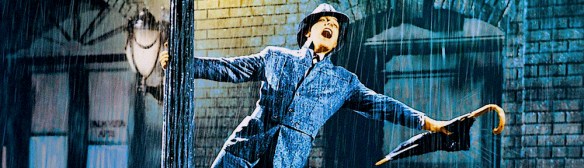
    20) Singin’ in the Rain (1951)
    21=) L’avventura (1960)
    21=) Le Mépris (1963)
    21=) The Godfather (1972)
    24=) Ordet (1955)
    24=) In the Mood for Love (2000)
    26=) Rashomon (1950)
    26=) Andrei Rublev (1966)
    28) Mulholland Dr. (2001)
    29=) Stalker (1979)
    29=) Shoah (1985)
    31=) The Godfather Part II (1974)
    31=) Taxi Driver (1976)
    33) Bicycle Thieves (1948)
    34) The General (1926)
    35=) Metropolis (1927)
    35=) Psycho (1960)
    35=) Jeanne Dielman, 23 quai du Commerce 1080 Bruxelles (1975)
    35=) Sátántangó (1994)
    39=) The 400 Blows (1959)
    39=) La dolce vita (1960)
    41) Journey to Italy (1954)
    42=) Pather Panchali (1955)
    42=) Some Like It Hot (1959)
    42=) Gertrud (1964)
    42=) Pierrot le fou (1965)
    42=) Play Time (1967)
    42=) Close-Up (1990)
    48=) The Battle of Algiers (1966)
    48=) Histoire(s) du cinéma (1998)
    50=) City Lights (1931)
    50=) Ugetsu monogatari (1953)
    50=) La Jetée (1962)
    53=) North by Northwest (1959)
    53=) Rear Window (1954)
    53=) Raging Bull (1980)
    56) M (1931)
    57=) The Leopard (1963)
    57=) Touch of Evil (1958)
    59=) Sherlock Jr. (1924)
    59=) Barry Lyndon (1975)
    59=) La Maman et la putain (1973)
    59=) Sansho Dayu (1954)
    63=) Wild Strawberries (1957)
    63=) Modern Times (1936)
    63=) Sunset Blvd. (1950)
    63=) The Night of the Hunter (1955)
    63=) Pickpocket (1959)
    63=) Rio Bravo (1958)
    69=) Blade Runner (1982)
    69=) Blue Velvet (1986)
    69=) Sans Soleil (1982)
    69=) A Man Escaped (1956)
    73=) The Third Man (1949)
    73=) L’eclisse (1962)
    73=) Les enfants du paradis (1945)
    73=) La grande illusion (1937)
    73=) Nashville (1975)
    78=) Chinatown (1974)
    78=) Beau Travail (1998)
    78=) Once Upon a Time in the West (1968)
    81=) The Magnificent Ambersons (1942)
    81=) Lawrence of Arabia (1962)
    81=) The Spirit of the Beehive (1973)
    84=) Fanny and Alexander (1984)
    84=) Casablanca (1942)
    84=) The Colour of Pomegranates (1968)
    84=) Greed (1925)
    84=) A Brighter Summer Day (1991)
    84=) The Wild Bunch (1969)
    90=) Partie de campagne (1936)
    90=) Aguirre, Wrath of God (1972)
    90=) A Matter of Life and Death (1946)
    93=) The Seventh Seal (1957)
    93=) Un chien andalou (1928)
    93=) Intolerance (1916)
    93=) A One and a Two (1999)
    93=) The Life and Death of Colonel Blimp (1943)
    93=) Touki Bouki (1973)
    93=) Fear Eats the Soul (1974)
    93=) Imitation of Life (1959)
    93=) Madame de… (1953)


    October’s Failures

    There can be only one release to kick off this month’s failures. Not because it was somehow the ‘most failed’ (it only came out yesterday, and — for various reasons — I didn’t get my copy until 10pm), but because it’s so long-awaited. Ever since StudioCanal started doing their lavish tat-filled 4K box sets a few years ago, I’ve been hoping they’d do one for Highlander (knowing that they owned the UK rights and had a 4K transfer ready, having released it on regular Blu-ray back in 2016), and it’s finally here. Hurrah! I haven’t actually watched Highlander since before Blu-rays were a thing (I bought a previous BD edition in 2009 and, shamefully, I’ve never watched it), so I’m looking forward to finally revisiting it.

    Anyway, highlighting that has messed up the usual order of things, so let’s get back on track with what hit the big screen this month. Frankly, nothing that came particularly close to tempting me out the door. I guess The Banshees of Inisherin, maybe, as I love In Bruges, but I’m also happy to wait to watch it at home. Maybe I’d’ve been lured by documentary Doctor Who Am I if it had actually been playing near me. I’ve already preordered the Blu-ray that’s out later this month, mind. As for the ostensible blockbusters — your Black Adams and your Halloween Endses — I intend to watch them someday, but there’s so certainly no rush on my part. Same goes for most of this month’s other cinematic releases: Amsterdam, Barbarian, Bros, Decision to Leave, The Lost King, The Woman King… All stuff that will go on my watchlist when they come to a streamer I’m subscribed to, but I’m not sure there’s anything I’ll check out before that.

    As for said streamers, Netflix score perhaps the most noteworthy release of the month with the new German adaptation of All Quiet on the Western Front. Not “noteworthy” in the sense of generating column inches (I’ve barely seen it discussed), but in terms of quality, perhaps the winner (when I have seen it discussed, it’s with nought but praise). As if to balance the books, they also had lamentable YA adaptation The School for Good and Evil. Despite the disparity in critical reception, I bet it’s the latter that gets more viewers, sadly. Higher up my “to see” list than either is the new film from Henry “the actual director of Nightmare Before Christmas” Selick, Wendell & Wild. I don’t know anything at all about it, other than it’s stop-motion animated (natch) and was cowritten with Jordan Peele, but “the new film from the director of Coraline” is more than enough to convince me it’s a must-see. Also premiering this month was family-friendly Halloween-targeted The Curse of Bridge Hollow (I thought the trailer looked fun enough, but I imagine I’ll promptly forget it exists), some thriller starring Joel Egerton and Sean Harris called The Stranger (mmm, generic title), and Eddie Redmayne and Jessica Chastain in The Good Nurse. Redmaybe and Chastain in something based on a true story? Sounds like it should be an awards contender or something, not limited to a passing reference buried at the end of my Netflix roundup, but I’ve barely seen it mentioned (I’ve only vaguely picked up on the “true story” thing too, so I might not even be right about that).

    Also worth a mention on Netflix was Guillermo del Toro’s Cabinet of Curiosities, which I concluded is actually a TV series — an anthology of eight one-hour episodes — but there are some pretty big names starring in them, and some of the directors are familiar, too. In reliable “we still don’t really have proper rules about TV” fashion, Letterboxd have listed all the episodes individually, giving some credence to the idea of counting them as films… but Letterboxd also do that with Black Mirror, which similarly has name-y casts and directors (sometimes), but is definitely a TV series (aside from the odd special, arguably), so I’m not about to start counting either towards my 100 Films Challenge.

    Talking of “TV that’s sort of a film”, Disney+ had the latest addition to the MCU, Werewolf by Night. It is, according to their branding, a “Special Presentation”. But in an era when Disney are happy to premiere big releases from their major studios (Pixar have suffered the brunt of this) on Disney+, what makes it “not a film”? Only its 50-something-minute runtime, I guess. It would’ve been a good one to watch in the lead up to Halloween (I mean, that’s why they released it when they did), but I didn’t make the time. And I haven’t decided if I should count it or not anyway (50 minutes is above the American Academy-derived 40-minute rule I use for differentiating features from shorts, but does that stop Werewolf by Night from being a ‘TV special’?) The only other brand-new thing on Disney+ I’ve noted this month is Rosaline, which has an intriguing premise (it’s about the girl Romeo loved before Juliet), but I’ve not encountered much discussion of it, which doesn’t bode well for it being worth paying attention.

    Over on Amazon, they had the new film from writer/director Lena Dunham. Remember her? Lucky you if not. That nearly made me ignore Catherine Called Birdy entirely, but the trailer autoplayed at me and tickled me enough to put it on my watchlist. More likely to get me pressing ‘play’ is The Sound of 007, a documentary about (you guessed it) the music of the James Bond films. Considering how vital and influential the music of Bond is — both the scores and the title songs — it seems a worthy subject for such in-depth exploration. Its release was timed to coincide with the complete back catalogue of Bond films returning to Prime. Considering they own them now, when they’re available or not feels a bit like artificial scarcity. Anyway, they’re all in 4K, which is nice; but as I’ve had the “Bond 50” Blu-ray set for ten years and not finished getting through it yet, I doubt I’ll jump into Amazon’s offering. (Though Goldeneye has a notoriously weak transfer on Blu-ray, so subbing in the streaming 4K when I get there is tempting.)

    Continuing in non-‘original’s territory, Amazon win the month with the streaming debut of “Nic Cage as Nic Cage (literally)” action-comedy The Unbearable Weight of Massive Talent. They’ve also now got X, the horror movie that only came out back in March and has already been sequelised (though apparently said sequel doesn’t have UK distribution, which perhaps doesn’t speak well of the first film’s success here). The best Netflix could manage in this field was… um… no, I got nothing. On the other hand, Sky Cinema (which, despite my attempts to wean off subscribing to so many streamers, I now have again thanks to a dirt-cheap offer) this past month premiered Sonic the Hedgehog 2 (I enjoyed the first more than I expected), The Lost City (strong Romancing the Stone vibes, in a good way), and Foo Fighters-starring horror Studio 666.

    On to the final streamer I still pay for (unless I’m forgetting one, which is depressingly possible), and MUBI this month debuted Hit the Road, which I heard good things about when it played festivals last year so I’m looking forward to finally seeing, and The Wolf House, which I only know of because of its high ranking on Letterboxd animation lists, but I want to take this (thus far, rare) chance to see due to its high ranking on Letterboxd animation lists. (Now I’ve just gotta not forget those films are there and actually make time to watch them…) They also built up to Halloween with a whole season fo Dario Argento films — most of which I’ve not seen; all of which I own on disc, mostly thanks to Arrow. We’re talking The Bird with the Crystal Plumage, Deep Red, Phenomena, Tenebrae

    Of course, horror movies were popping up left, right and centre throughout October. The one I really should’ve watched is Rosemary’s Baby on All 4, because it’s something I really need to tick off a few Letterboxd lists. Plus because it’s meant to be a great film, obv. But it’s gone now, so that ain’t happening. Other horror streaming for free included, on All 4, Monster House, the remake of The Ring, and Saint Maud; and on BBC iPlayer, Ghost Stories, His House (formerly a Netflix Original, but apparently it was a BBC co-production and so always destined to jump services), lockdown favourite Host, the original Poltergeist; and piles more that I’ve either seen or own on disc. People really do go crazy for the ol’ horror films in October, huh? I always feel I should watch more, but I’m never organised enough.

    Talking of free streamers, this month I discovered that the ITV Hub actually has a load of interesting films on it. For some reason I didn’t think their streaming service offered many films at all; and if they did… well, I have low intellectual expectations for the kinds of films ITV would show. Clearly I’ve misjudged them, because they have stuff like Belleville Rendez-Vous, Dogtooth, A Ghost Story, I’m Not There, My Left Foot, Son of Saul, Sophie’s Choice, and more (plus some of the kinds of things you might expect ITV to show, which is less interesting, but fair enough). The only downside is that they’re only available in SD, because ITV technology is dated like that. Maybe the forthcoming launch of ITV X will solve the problem… although as that’s a subscription service, I don’t know if they’ll bother to upgrade their free catchup.

    Speaking of expensive things, here’s what I’ve been spending all of my money on this month — in addition to the aforementioned Highlander set, obvs. Normally I’d begin the list with brand-spanking-new releases, but I don’t think there were any this month. Top Gun: Maverick came out here yesterday, but I’m still a bit torn between getting it by itself or in the 4K double-pack with the first film, so I haven’t ordered it yet. As for new editions of older films, 88 Films delivered Hong Kong thriller Righting Wrongs with a choice of four cuts of the film, and Italian crime thriller Blood and Diamonds. Giving Highlander a run for its money in the “chunky box set for a single title” stakes was 101 Films’ Blu-ray reissue of Ghostwatch. Okay, that’s a TV programme, but as a one-off feature-length drama you could argue it’s a TV movie. I’ve still never seen it (another one where I’ve just missed the prime night of the year to watch. Oh dear). In a similar horror vein, I imported the new 4K edition of Bram Stoker’s Dracula. It only adds Dolby Vision encoding (which I have switched off because I’m not convinced by how my TV handles it) and a couple of slight new extras, but I never picked up the previous 4K disc, so it was an easy choice. (I didn’t have to import it — it was released here as a Zavvi exclusive — but the import was cheaper.) And, still technically horror but moving ever further away from it, Eureka brought us the 1923 iteration of The Hunchback of Notre Dame starring Lon Chaney.

    Sticking with the genre theme, I actually bought quite a few horror titles this month — not intentionally, but I guess it was an accident of what was on sale. So, from Network I picked up a few British classics (“classic” in the sense of “old” rather than “revered”), like The Dark Eyes of London starring Bela Lugosi, and The Ghoul starring Boris Karloff. From Arrow’s annual ‘Shocktober’ sale I snagged A Ghost Waits (which has a lovely textured slipcover, incidentally), and the two Giallo Essentials sets they’ve released in the UK (I may have to import the US-exclusive third one sometime just to complete the set). I also snagged a few horror titles from Indicator’s sale — or Hammer titles, anyway, which doesn’t necessarily mean horror. Those included the standard editions of The Full Treatment and The Snorkel, along with a spare empty Hammer Volume Two box, which is the set they were originally released in. I already owned the standard editions of the other two films from that set, so now I’ve got something that’s almost the same as having the real thing (I’m only missing the booklets and the bellyband). That means I now have all of Indicator’s Hammer sets bar the first, which I’ll never pick up because I won’t pay silly second-hand prices for it. That’s kind of a shame. Anyway. Also from Indicator: Fanatic (one of the films from that first Hammer set), early Mexican horror La Llorona, and experimental ’70s British horror Voices. Finally, as part of that US order with Dracula, I snagged George A. Romero’s The Amusement Park, Kino’s 4K of Invasion of the Body Snatchers ’78, and Shout’s 4K release of the original Candyman (I already owned Arrow’s regular Blu-ray box set, which is a nice set with good nice physical extras, but their 4K release just emulates it, whereas Shout’s adds a bunch of new on-disc extras. So, I’ll be keeping both). Plus, not strictly a horror title but it is relevant: the 4K edition of Batman: The Long Halloween. It cost literally twice as much as just buying the UK 1080p disc. Whether it’s worth it, I’m not sure.

    Lest you think I deliberately went round hoovering up horror because it was Halloween, nearly all of those orders also included non-scary stuff. Like, from Network I also bought thrillers Defence of the Realm and The Quiller Memorandum, plus I finally gave in and upgraded The Story of Film: An Odyssey to Blu-ray. From Indicator, I grabbed spiritual drama Immaculate Conception and Western A Time for Dying. My US order was rounded out by Ex Machina in 4K (again, dodging an expensive Zavvi-exclusive UK version for a cheaper but feature-filled US release), noir double-bill The Guilty (which I’ve already watched, so it’s not a failure, so it’s not in bold) and High Tide, and a classic 3D triple(!) bill of Jivaro, Sangaree, and Those Redheads from Seattle. Even Arrow don’t just include horror in their sale, and from them I also picked up a couple of Japanese films: war drama Red Angel and classic movie homage To Sleep So as to Dream.

    And, you know, that’s not even quite everything, but I think it’s more than enough.