
Marc Forster | 123 mins | DVD | 12 / PG-13
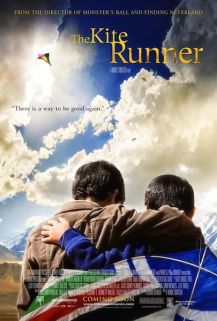 Can no one tell a story from the beginning any more? I blame How To Write books and courses, insisting that films must begin with certain types of incident to hook the audience, even if this isn’t the first event chronologically. Do they think the audience has no patience? Especially in a film, where you’re only committing about two hours of your time (as opposed to however long it takes to read a novel) and even the most lazy viewer is likely to stick it out for at least 15 minutes.
The Kite Runner is just the latest film to do this (and by that I mean “latest I’ve seen”, as I’m sure dozens have done exactly the same thing since), beginning two thirds of the way through with a scene that makes little sense… until, inevitably, the story flashes back to the start and leads us through to that inconspicuous scene, finally giving it some meaning. Really, it’s little more than a cheap tease; a promise to the audience that what follows is actually going somewhere, however pointless it may seem. It’s perhaps the only trick that makes me inclined against a film (or indeed any work of fiction) right from the off.
Perhaps the structure is lifted directly from the source novel. The film certainly has an unusual feel in this sense, like the text has only been half converted for the screen. Not every film should — or does — conform to the structural rules of those How To Write books, but there’s something about the way events progress here that feels more novelistic than filmic. Arguably this is also true of the story itself, which seems to be more about its themes than its characters: bravery, cowardice, and the difference between the two; friendship, and the lengths (or not) it will go to; truth and lies, and what underhand things people — especially children — will do to cover up their own shortcomings and failings.
In this respect it feels like it’s part biography (though it’s fiction) and part moral fable. By the end, we’re presumably meant to leave with the feeling that some justice has been done at last. But while one boy has been saved from the horrors of his captors — and even then, almost too late — there are hundreds left behind with the still-active villain. In this respect it’s undoubtedly true to life, but it belies an attempt at an uplifting and redemptive ending.
In assessing The Kite Runner it feels like I may have missed something and am being unduly harsh, but sadly it failed to engage me. While I long continued to ponder some of the issues it raised for me (always a positive), I’m not certain they were the ones the filmmakers intended.

This review was written over three months after seeing the film, based entirely on notes made at the time and my rather poor memory. Apologies if it is therefore a bit unfocussed or, God forbid, inaccurate in the odd minor fact.
 The last of three World War 2-concerned films in the Rathbone/Bruce series (the previous two being
  Did you know that Some Like It Hot is a remake of a 1951 German film,
 A sequel to 1948’s
  Despite enjoying
 The work of Michel Gondry and the comedy of Jack Black are both, shall we say, acquired tastes, and not ones you would necessarily expect to overlap. Yet here they do — at least to an extent — but while Black is again doing his usual schtick as the Ker-Azy Best Mate, it’s the writer-director who is perhaps offering some surprises.
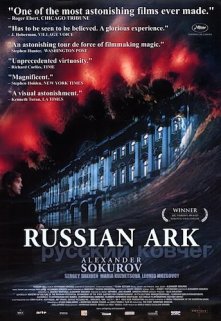 Russian Ark has received boundless praise from some quarters, and not just for being shot in a recording-smashing single take — to cite
 Five years after making
  Director Julian Jarrold seems to have found his cinematic niche in “coming a bit late”. His
 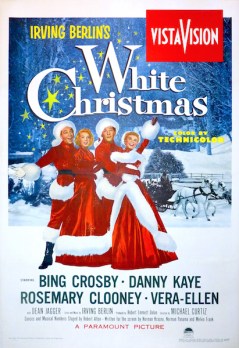 White Christmas is surprisingly un-Christmassy. Yes, it’s set at the right time of year, and the plot concerns itself with do-gooding and charity and other such vaguely seasonal themes; but, crucially, there’s a distinct absence of snow (until the very end) and little else actually inspires much Christmas feeling.
