
Welcome to my monthly “Failures” column, where I look back at some of the films I could, would, maybe even should have watched last month… but failed to.
Plenty of blockbusters hitting the good old summer release window this month, starting with Jurassic World Rebirth (I’d intended to use that as a prompt to finally get round to the previous Jurassic film, Dominion, but failed at that too), and continuing with outings from both major superhero houses: James Gunn’s Superman kicking off a new era for DC on the big screen, and Marvel’s The Fantastic Four: First Steps hoping to make people stop proclaiming the slow death of the MCU (as if the flood of news articles related to the next Avengers film still not having a screenplay, despite being deep into principal photography, hasn’t kept that up anyway. Maybe Marvel Studios should learn to make films properly).
Filling screens here and there between those big gun(n)s: a new David Cronenberg, The Shrouds; horror reboot I Know What You Did Last Summer; animated sequel The Bad Guys 2; and yet another attempt (goodness knows why) to turn the Smurfs into a viable franchise in the simply-titled Smurfs. The films in the first paragraph might’ve tempted me to actually get out to the cinema for once (if I hadn’t been so busy elsewhere), but this lot? Ha. (Okay, Cronenberg will make my to-see list eventually, but as a sometime scaredy-cat I prefer horror in the privacy of my own living room.)
One film that didn’t set the box office alight was belated Adam Sandler sequel Happy Gilmore 2 — because it went direct to Netflix, where it became their biggest opening ever (at least in the US), and thus proved they probably should’ve done a theatrical release instead of leaving all that money on the table. Will they ever learn? No, demonstrably not. I’m not a Sandler fan, and consequently I’ve never seen the first Happy Gilmore, so I’ve no plans to watch this new one. I hope his fans enjoyed it. I did watch the first The Old Guard however many years ago, though, and the not-as-belated-but-still-tardy sequel to that also turned up this month, imaginatively titled The Old Guard 2. I’m not sure I care enough to take the time, to be honest, especially as reviews have been less than stellar, and apparently it contains a bunch of setup for a third film that may never happen.
The only other direct-to-streaming premiere I noted in July was an even more bizarre choice: on Prime Video, a new version of War of the Worlds — yes, another one — but this time apparently crossed with Searching, because it’s all from the perspective of Ice Cube watching the alien invasion unfurl on his computer. I guess maybe they were trying to go for a modernised version of Orson Welles’s famous radio broadcast? I don’t know. I haven’t even got round to watching the BBC miniseries version from a few years ago, which at least was interesting for trying to do it properly as a Victorian period piece, so I very much doubt the Ice Cube version will be hitting my screen anytime soon.
While the other streamers didn’t bother to offer much brand-new, a few relatively big hitters made their subscription streaming bows, including the viral success (if not a box office one) that was Robbie Williams biopic Better Man (you know, the one where he’s played be a CGI monkey), which also came to Prime; Disney+ did their usual speedy cinema-to-streaming pipeline with spy thriller The Amateur; Netflix offered nonlinear rom-dram We Live in Time; and Sky Cinema / NOW fared best, as usual, magicking up Wicked (aka Wicked: Part I), Clint Eastwood’s well-reviewed courtroom thriller Juror #2, and, um, Kraven the Hunter. Hey, can’t win ’em all. And, heck, they also had even less noteworthy stuff than that, so it could be (indeed, was) worse. I mean, Rumours sounds kinda interesting, but its audience scores are terrible… though IMDb and Rotten Tomatoes voters are exceptionally dumb nowadays, so maybe that 75% critic score is worth bearing in mind.
Crappy recent superhero movies also feature in back catalogue changes. Well, where don’t they nowadays? Morbius — a Spider-verse spin-off even more poorly regarded than Kraven — popped onto Amazon; as did The Flash, reminding me that I have an itch to watch it even though it’s meant to be poor and everything I’ve seen from it looks shit. I was going to say that at least it would allow me to close out that era of DC’s cinematic universe, but I still haven’t watched Wonder Woman 1984 or Aquaman and the Forgettable Sequel Subtitle either. Other stuff of note on Prime included Trumbo, which never especially interested me before, but I’ve just been reading a book on the history of the Oscars which told some of his story so now I think maybe. It goes on the list, anyway. Same for Hunt for the Wilderpeople, which was So Good back when it first came out (I ranked it 4th for films I first saw in 2017, which was a hotly contested year), but after almost a further decade of Taika Waititi’s schtick, I wonder if it still plays as well? Talking of rewatches, Amazon also threw up Blade Runner: The Final Cut, a reminder that it was one of the earliest 4K discs I bought but I still haven’t watched that, and The Hobbit trilogy, a reminder that I own them in 3D but have never watched those copies, and it’s been a while since I watched them at all so maybe they deserve another look.
Over on Netflix, the “I should give that another look” theme continues with Forrest Gump, which I haven’t seen since I was a kid and should probably form an adult opinion on; plus more reminders of discs I bought with enthusiasm but still haven’t watched, like Heat and Minority Report (I don’t even want to look up how long ago the Blu-ray I haven’t watched came out. It’ll be on 4K before you know it). Similarly, though not actually a rewatch, The Hunger Games: The Ballad of Songbirds and Snakes — I really enjoyed the original trilogy quartet, and this prequel seemed to be well received (certainly successful enough that they’re immediately adapting the next book in the Hunger Games universe), so I ought to get on that too. In terms of stuff I don’t already own on disc, BlackBerry seems like it should be meritless attempt to engineer another Social Network / Steve Jobs kinda film, but I hear it’s actually good whenever it comes up.
iPlayer has a similar injection of quality with Cannes winner Fallen Leaves and Oscar nominee Women Talking, although most of my list of interest there are more reminders of unwatched discs: All the President’s Men, Don’t Look Now, and Spellbound for just three I’ve never seen; plus plenty to rewatch, like my 4K copies of the Back to the Future trilogy, Ridley Scott’s Robin Hood, The Searchers, and The Wicker Man. Heck, even MUBI — who seem to primarily deal in films I’ve not even heard of — reminded me I own Irreversible and Peeping Tom.
Okay, enough about discs I already own that I haven’t watched — what about all the new stuff I’ve bought to add to that never-ending kevyip? After receiving a large amount of praise and success at the box office earlier this year, and then seeing plenty of love for the quality of its 4K disc release online, of course I immediately blind-bought Sinners — it’s got variable IMAX aspect ratio, I was never not likely to miss it! That’s the only shiny new film on my list this month, although there were a good few back catalogue 4Ks: the latest in Hammer’s lavish collector’s edition range, Quatermass 2 (sadly, it sounds like rights issues mean we won’t be getting a matching version of Quatermass and the Pit anytime soon); a similarly extravagant reissue of Akira Kurosawa’s Ran; and, just arrived, a ludicrously chunky box set for a film previously relegated to the status of “special feature”, Apocalypse Now making-of Hearts of Darkness: A Filmmaker’s Apocalypse. Yes, I bought that, despite already owning in two copies in my two copies of Apocalypse Now. It wasn’t just for the 4K restoration: it also comes with a bunch of special features, and a physical copy of Eleanor Coppola’s behind-the-scenes book Notes, which I don’t already own. Whether that package was worth the asking price, I’m not sure, but I still paid it, so…
More UHD discs: from 88 Films, Lucio Fulci’s giallo Murder Rock (aka Murderock, aka Murder-Rock: Dancing Death), along with a regular 1080p reissue of vampire giallo Seven Deaths in the Cat’s Eye; from Arrow’s recent sale, Brian De Palma’s Dressed to Kill and Sam Raimi’s The Gift; and I imported a pile of Deaf Crocodile animation releases, led by “German adult animated psychological horror mystery” but starring cats (yes, really) Felidae and French post-apocalyptic adventure Gwen and the Book of Sand; plus, in good ol’ 1080p, Hungarian epic The Tragedy of Man and the sci-fi-focused Treasures of Soviet Animation Vol. 1 (apparently there are at least six volumes of that coming. I’m going to end up getting them all, aren’t I?)
In terms of home-grown boutique labels, I am actually trying to cut back a bit (a bit), so there was just one title from Eureka this time out: German-made Western The Sons of Great Bear. Immediately belying the idea I’m in any way cutting back, Radiance dominated the month with a selection of both new releases — The Beast to Die (which has an all-timer cover, as well as sounding like a good film) and World Noir Vol. 3 (I ought to make a start on those sets… but then, that’s true of so many box set series I own) — and a pile of pickups from their sale: Dogra Magra, Mississippi Mermaid, A Quiet Place in the Country, The Story of Adele H., Tchao Pantin, and What Happened Was….
What happened was… I spent way too much on discs again. Maybe one day I’ll stop doing that. But not this month. (Not next month either, as we shall see in 31 days’ time.)


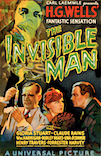


 Favourite Film of the Month





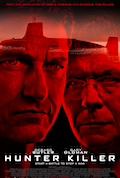 Hunter Killer
 Lovers Rock









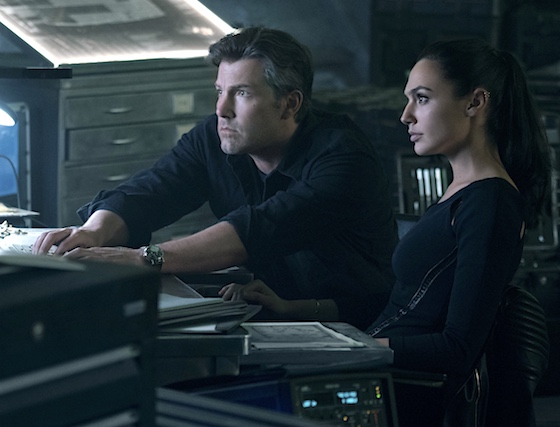
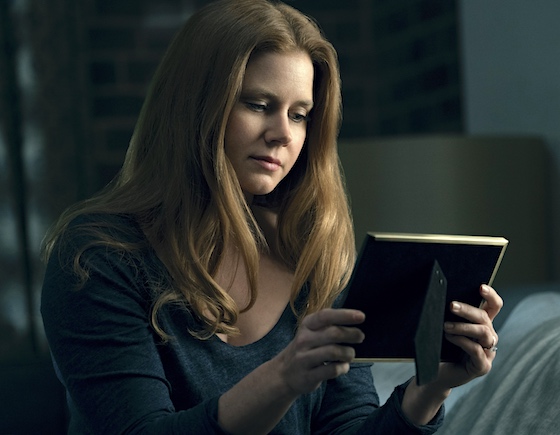

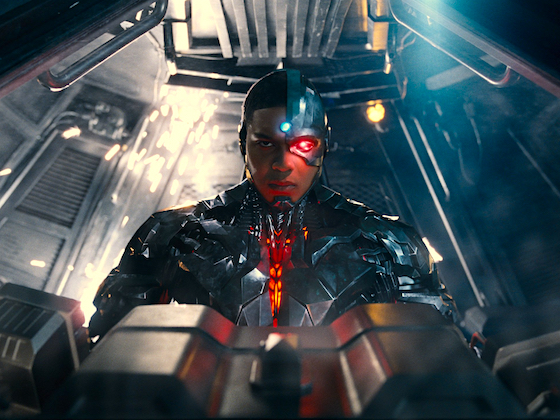
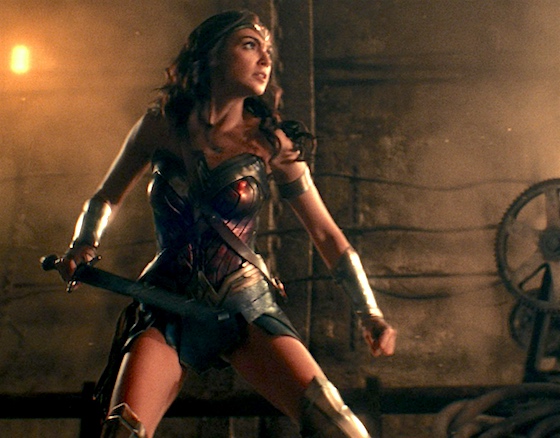
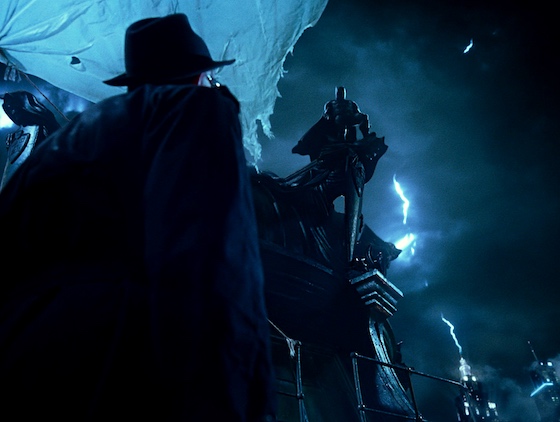


 The Batman v Superman Ultimate Edition has been available via various means for a month or more now, but has only hit disc in the UK this past week (and I waited for it, because I’m a good boy). This extended cut adds half-an-hour of material, give or take (comparing the two Blu-rays tells me the difference is just under 31 minutes;
  You may have read that the photographer with Lois in Africa is Jimmy Olsen, identified in the credits but not on screen in the theatrical cut. In this version he is named on screen, but that’s not the important part. More is done to establish why Lois is in Africa, what she’s hoping to achieve, and lay the seeds for why it’s all going to go wrong. This is achieved in such a short space of time that it seems ludicrous it was cut out, leaving theatrical viewers playing catch-up when a couple of extra moments would’ve explained it clearly. (Of course, there may be an element of re-viewing bias in this: I already know what’s happening so of course I cottoned on to everything sooner.) When things do go south, more material makes it explicit what happened — what the bad guys do to frame Superman, essentially. It’s possible some of this material was cut to achieve the PG-13 rating, but in doing so they left out bits and pieces that are referenced later, heightening the sense of confusion for theatrical viewers — how are we meant to know a woman testifying to a congressional hearing about “burned bodies” is a reference to events we just witnessed if we don’t see anyone burning any bodies?
 Less vital to the overall plot, but which certainly contributes to the titular conflict, is that Clark’s investigation into the Batman is seriously beefed up. It makes Clark/Superman feel like more of a leading character in a film that was, at least as originally conceived, his sequel. In some respects this storyline is a more understandable excision, because Superman’s dislike for the Batman and his methods isn’t entirely unclear in the theatrical cut. Equally, it does flesh it out better and connect up some of the dots, like why he intervened when Batman was trying to steal the Kryptonite at the docks (essentially: a Bat-victim’s girlfriend said Batman needed stopping. Maybe not a great reason, but hey, it’s a reason). It’s a case in point of how this film simply has too much going on. To create a workable version it’s had to be three hours long — that’s the length of two movies, and it does feel like two movies’ worth of material. Not back-to-back movies — you couldn’t cut it in two at the middle and be left with two independent films — but two movies that occur concurrently; intercut. I mean, there are even two big action climaxes, back to back.
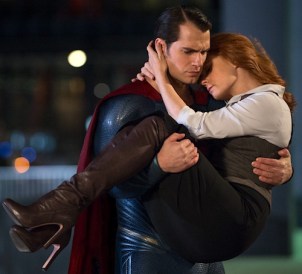 I don’t think it sinks to the level of spelling it all out slowly and carefully in case you missed it, but it does make it more explicit; and, as discussed, it does that by showing more of Lois’ investigation, so it feels like her role is more substantial too. She felt a little cursory in
 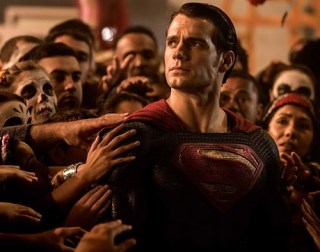 One thing that is pretty apparent about Snyder’s intentions is that he really wanted to make a Batman movie, and I suspect Man of Steel was his way in to getting to do that. Despite launching out of the events of Man of Steel, and engaging with issues of what it means to be Superman (therefore continuing MoS’s theme of “what would it be like if Superman was real?”), and having Lex Luthor as the main antagonist, BvS feels like a Batman-driven movie more often than it does a Superman one. Personally, I get it — I’m more of a Batman fan than a Superman fan too, so that approach warrants little complaint from me — but I can see why Supes’ fans would be miffed.
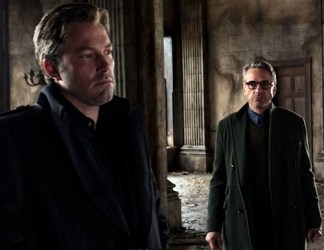 Other, more minor changes in this cut include increased violence, though personally I barely noticed it. Some people seem adamant this should’ve upped it to a 15 certificate, but I think you can justify saying it stops just short of that. Quite what the MPAA saw that merited an R, I’m not entirely sure. More interesting to my weirdly-obsessed mind is that the film actually includes the “Ultimate Edition” title on screen, both during the opening credits and at the end (where it’s technically titled “Batman v Superman: Dawn of Justice Ultimate Edition” without any additional punctuation). How many other extended cuts actually change their title card to reflect that fact? Off the top of my head, I can’t think of any.
 The same summer that Christopher Nolan revitalised the Dark Knight with the critically acclaimed and commercially successful
 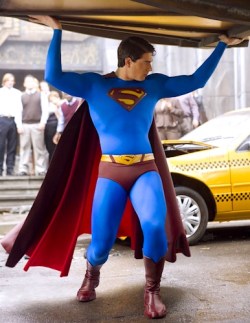 All of that was ten years ago now, since when plans for a sequel have been abandoned, the character has had
  often for good reason, but (a) sometimes a new telling is the right way to go, and (b) if you’re going to pick up a character mid-life, you still need to treat it as a new and standalone story if its immediate predecessor was released decades ago.
 that actually takes up the first half-hour-or-so. I can imagine an edit of the movie that begins on that plane: just a bunch of journalists observing the press demonstration of the new shuttle technology, when suddenly, inexplicably, it fails — they’re all going to die — then Superman turns up completely out of nowhere and saves them. Then you have the credits, which are immediately followed by Lex’s whole journey to the Fortress of Solitude, and only then do you get in to the stuff with Superman only having just returned, wondering what his places is now, and so on. Maybe lose the scene of him basically stalking Lois’ new family, though.
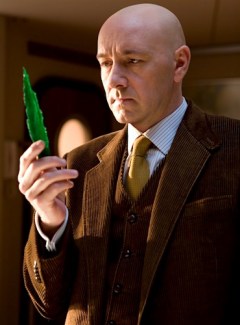 The final thing this all makes me think of is the forthcoming Marvel Spidey movie,
  With Warner Bros’ universe-launching superhero epic now in its second weekend (unless you live in Myanmar or Poland, anyway), you’ve probably more than had your fill of spoilerphobic reviews. So allow me to provide a spoiler-filled one. (There are a fair few of those around too, of course, but not all reviews can be beautiful or unique snowflakes.)
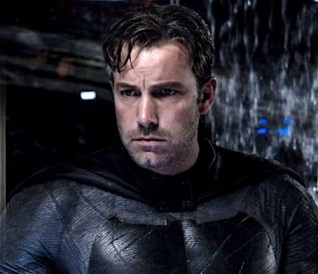 to good people turning bad; the Joker-graffitied Robin suit… This isn’t fan-pleasing/teasing background detail, it speaks to Bruce’s mindset. He’s become the kind of person who believes lines like, “if there’s a 1% chance he’s our enemy, we must take it as an absolute certainty.” He’s a bit of a right-wing nut, basically. If you want to find a character or emotional throughline to the movie, it’s Bruce learning to be a better hero again.
 But if we are criticising the screenplay, let’s turn our attention to the story and its structure, which leaves something to be desired. This isn’t just the writers’ fault, of course, because myriad things affect a film once the screenplay is signed off. In the case of story structure, editing seems a likely culprit — not the actual cutting together of individual shots to craft a sequence or scene, which is as good here as in any action blockbuster, but in terms of storytelling. Frankly, that’s a bit of a mess. Or a lot of a mess, maybe. Whole scenes serve literally no purpose or are clearly in the wrong place — the bit where Perry wanders up to Clark Kent’s desk and wonders if he’s clicked his heels and disappeared back to Kansas, for example. What purpose does it serve? None. But where it might have a role is where it clearly belongs: a couple of minutes later, right before the scene where Superman is in Kansas, chatting to his mom. Why is it not right before that scene? It’s like someone accidentally dragged it out of place on their computer editing timeline and never noticed. Sure, this is a minor point in the grand scope of the film, but it belies a sloppiness to the entire storytelling.
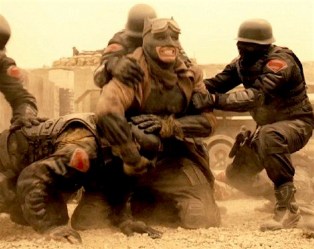 The only purpose it might serve is teasing the future — what is the giant Omega symbol? What are those flying devil-creatures? DC fans know that’s all related to alien supervillain Darkseid, and late in the film Lex Luthor makes a veiled reference to imply that some such alien badass is on the way. Yep, it’s Marvel-style foreshadowing, where every film is just a stepping stone to the next. Except BvS does it even more heavy-handedly than Marvel. As I said, the dream/vision is utterly unnecessary; Lex’s line is nonsensical (how does he know?); and the way other members of the Justice League are teased… You know, I don’t even want to discuss it. It’s a bad Marvel post-credit scene shoehorned into the middle of the movie. It feels like someone accidentally cut a teaser trailer into the actual print of the film. It’s not even so bad it’s good, it’s just tacky. And, I have to say, though I’m not the biggest fan of
 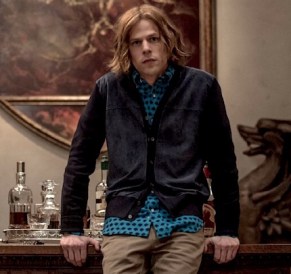 to look for clues you missed, not rethink to see if that even fits with everything we’ve seen. That’s because even if you do latch on to the almost-throwaway sliver of dialogue that indicates Lex put all of this together, the way it’s presented in this cut makes it come a little out of nowhere. However, I believe it’s a plausible explanation of events (within the realms of the version of the genre these films are in), and would tie the whole thing together neatly, were it just a little clearer.
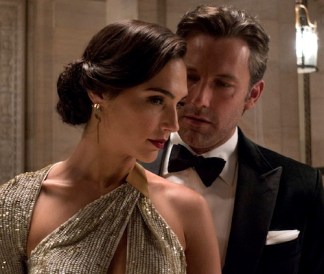 “Give audience an idea what future film(s) will be about while saying absolutely nothing concrete about what future film(s) will be about.” But in that mess (the mess I mentioned at the start of that last really long sentence, remember? OK,) there is stuff going on; there are ideas the filmmakers want to put across, possibly with the intention that they’ll actually be thought about.
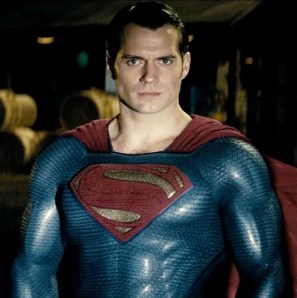 As I was saying: not a perfect movie, but one with a lot of material to provoke thought about both the inherent concepts of superheroes and, external to that, the genre itself, especially the way it’s presented in cinema. I’m not going to slag off the Marvel movies, because they are fun, but the entirety of the big-screen MCU
 The second release in Warner Premiere’s series of direct-to-video DC Universe Animated Original Movies (which now stretches to
 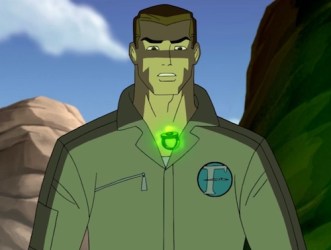 However, there are definitely bits that could’ve been sacrificed or abridged further (the Flash’s two early action sequences, for instance) to make more room to tell the story in full.
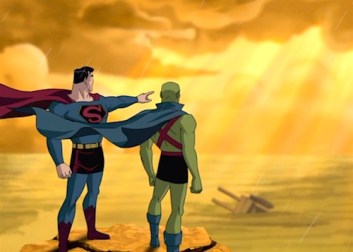 I really wanted to like The New Frontier, for all sorts of reasons. It does start well, with moments of promise sparkling here and there, but the longer it spends juggling so many balls, the fewer it can keep flying smoothly. (Do balls “fly” when juggled? Anyway, you get my point.) Considered as a whole, the overall result is fairly disappointing.
 100Films.co.uk