
Robert Moore | 91 mins | download | 1.85:1 | USA / English | PG / PG
 A gaggle of famed detectives are summoned to a remote mansion to solve a murder in this detective spoof by playwright Neil Simon. The twist is, all the characters are spoofs of famous literary/film/TV ‘tecs. Also, that the murder hasn’t happened yet. And also, that the person inviting them is Truman Capote. Not “someone playing Truman Capote”, but “Truman Capote playing someone”.
A comedy where a bunch of people are invited to a remote mansion to solve a murder? Yes, it does sound an awful lot like Clue. Indeed, based on my reading, almost all modern assessments of the film seem to boil down to two straightforward alternatives: “it’s not as good as Clue” or “it’s better than Clue”. As it pre-dates Clue by almost a decade, maybe that shouldn’t be our only point of reference? Still, I guess the ’80s-ness and name-y cast of the later film has helped it gain more traction — it certainly seems to be on TV regularly, whereas I only learnt of Murder by Death as a footnote when reading up on the Thin Man series.
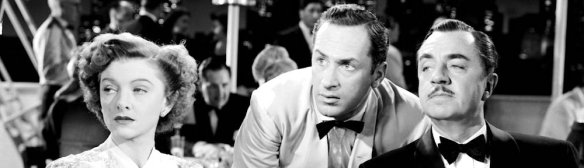
For what it’s worth, I think its quality is about level with Clue. Such appreciation may partly depend on one’s familiarity with the characters being spoofed, however: it’s a funny story in and of itself, but a fair dollop of the humour revolves around riffs on the personalities, quirks, and storytelling tropes of Nick & Nora Charles, Poirot, Miss Marple, Sam Spade, and Charlie Chan, whereas Clue requires, at most, that you know the icons from Cluedo.
I said Clue has a namier cast, but Murder by Death is no slouch, including Maggie Smith, David Niven, Peter Falk, and Alec Guinness as a blind butler, an affliction that’s mined for all its comedic value (and then some). They all give great comic performances, as does  James Coco as the film’s version of Poirot. There are some neat send-ups of the genre — the literally-impossible mysteries and all that — as well as some good old-fashioned wordplay and silliness. The only downside is it loses its way a bit by the end. I suppose it doesn’t strictly need a satisfactory conclusion to the mystery, because it’s only a spoof ‘n’ all, but I feel like it would’ve benefitted from a stronger finale nonetheless.
However, it’s a consistently amusing film, and everyone involved seems to be having a whale of a time. It’s definitely worth seeking out for fans of detective fiction who don’t mind the genre being gently ribbed.

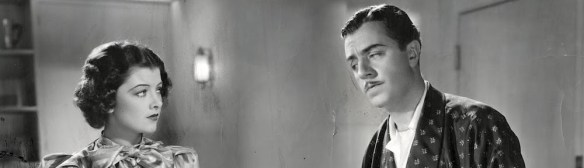
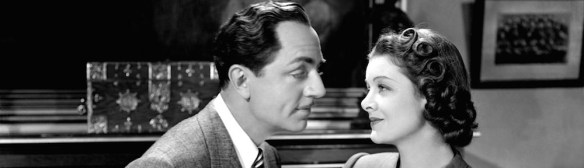
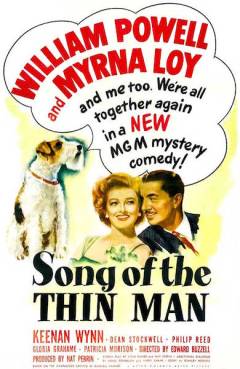 The final film in the Thin Man series sees married detective duo Nick and Nora Charles (the ever-excellent William Powell and Myrna Loy) getting embroiled in the world of jazz musicians, after a friend’s fiancé is accused of murdering a band leader.
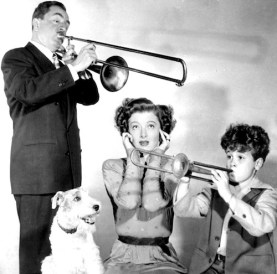 Apparently Loy made it clear before filming began that this was to be the last Thin Man film. Somewhat odd, then, that it’s one of the few to end with an allusion to Nick continuing his detective work in the future, whereas normally he’s being dragged out of retirement each time and happy to return to it by the end (which we don’t believe, of course). Either way, it was probably a wise decision on the part of Mrs Charles, as the law of diminishing returns had kicked in by this point.
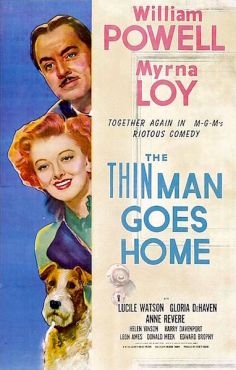 After four glamorous adventures, high-living sleuths Nick and Nora Charles (William Powell and Myrna Loy) head to small-town America to visit his parents (Harry Davenport and Lucile Watson), and naturally find themselves embroiled in a murder plot.
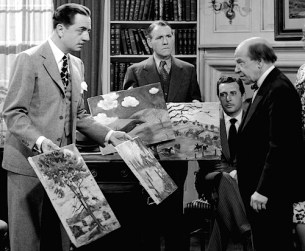 then no one would’ve been murdered. (Probably.)
 This time it’s not personal for Nick and Nora Charles (the joyous William Powell and Myrna Loy), as they stumble upon the murder of a race-fixing jockey and the subsequent killing of a corrupt journalist… and then one of their friends (Barry Nelson, aka
 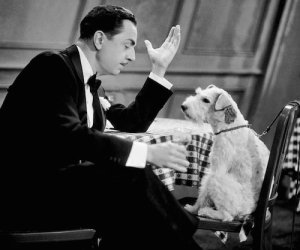 As murder mysteries go, the Thin Man series tends to offer plots that are somewhere between perfunctory and over-complicated to the point of being unsolvable, and Shadow is a typical example. But that doesn’t matter a jot, because the story’s abundance of incident keeps things moving, and the real entertainment value lies in the comedy chops of the three leads: Powell, Loy, and, of course, Asta the dog.
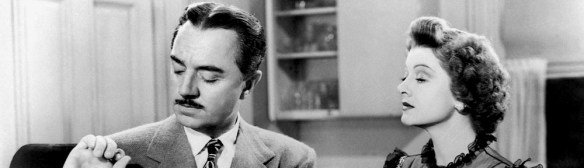
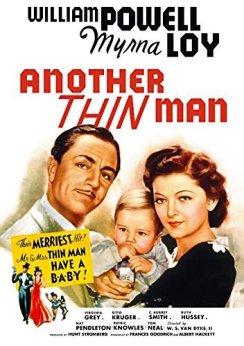 Husband-and-wife detective duo Nick and Nora Charles (William Powell and Myrna Loy) — now with a baby in tow — are once again coerced into investigating a crime when the manager of Nora’s estate fears a dismissed employee is plotting murder.
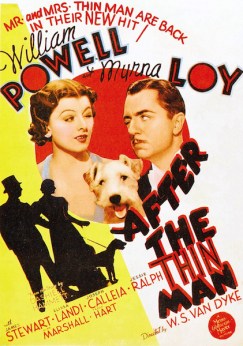 Immediately after their New York Christmastime adventure in
  There’s also an increased role for the couple’s dog, Asta, granted his own subplot as he has to fend off a philandering Scottie with intentions toward Mrs Asta. I make no apologies for preferring this over the previous film in part because there’s more amusing doggy action.
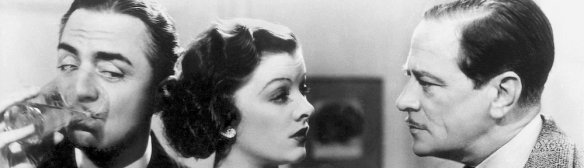

 Produced as a B-movie, but eventually nominated for four of the biggest Oscars (Picture, Actor, Director, Screenplay
 like a Christmas party which is regularly interrupted by victims and suspects. Even the final scene, a rambling and none-more-Christie-like “gather all the suspects and reveal the answers” dinner party, seems natural because of the characterisation throughout the rest of the film. Loy’s part may not be quite as showy — as demonstrated by its failure to gain an Oscar nomination — but she’s an invaluable half of the double act.
 100Films.co.uk