
David Lynch | 124 mins | Blu-ray | 2.35:1 | USA & UK / English | PG / PG
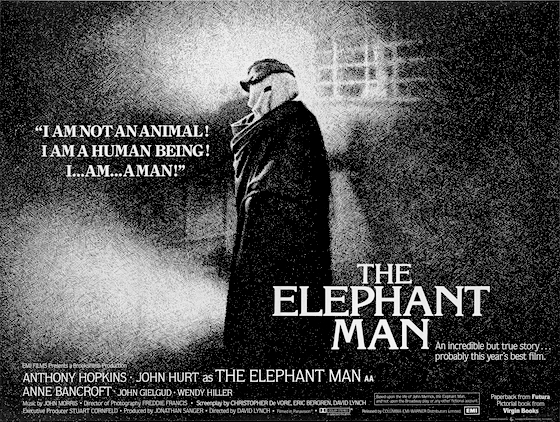
This biopic of Joseph Merrick — better known as ‘the Elephant Man’, a Victorian circus sideshow ‘freak’ who became a star of London society during his stay at the London Hospital — is noteworthy not only for its documentation of a key figure in Victorian life, who perhaps transformed people’s views of what it meant to be human, but also because it’s a film directed by David Lynch.
The Elephant Man is sometimes placed alongside Dune and The Straight Story as anomalies in Lynch’s filmography, which is more often characterised for its horror-inducing oddness and sometimes-incomprehensible plotting. Of course, upon proper examination, all three of these movies exhibit Lynchian touches, perhaps none more so than The Elephant Man. It’s there in the avant-garde opening; the dream sequence; the sound design, for which he’s co-credited; the focus on industrial machinery. The film can certainly be read as a Victorian melodrama, but in execution it’s far from a Merchant Ivory movie.
It’s also a very human and humane film, perhaps more so than you might expect from Lynch. But then again, look to The Straight Story, which in my review I described as “understatedly human and kind of heartwarming”; or Fire Walk with Me, which is about exposing the tragic injustices inflicted upon Laura Palmer. He may not come at it from the most obvious angles, but I think Lynch is consistently a compassionate filmmaker. Indeed, some critics even accused the film of “excessive sentiment”, probably due to being partly based on the memoirs of Merrick’s friend and physician, Frederick Treves. I disagree because, even if it is pretty sentimental, I think it hits the sweet spot — the point is that we should care.

A significant boost to our emotional connection is the absolutely superb performances from Anthony Hopkins as Treves and John Hurt as Merrick. The latter earnt a BAFTA win and an Oscar nomination (losing to Robert De Niro in Raging Bull) in what became a truly iconic performance, but it’s a wonder Hopkins wasn’t similarly recognised. One of the themes the film tackles is the dichotomy of Treves being Merrick’s friend but also, to an extent, exploiting him to further his career, and finding the truth in that balance is down to Hopkins. They also both contribute enormously to the graceful beauty found throughout the film, not least in close-ups where a single tear can convey so much complex emotion, or the understated but moving final scene.
So too the gorgeous black-and-white photography by Freddie Francis. As Tom Huddleston writes in his essay accompanying the film’s StudioCanal Blu-ray releases, “imagine the film in colour, how fleshy and grotesque the makeup would have appeared, how gaudy and nauseating the carnival sequences.” It doesn’t bear thinking about. Instead, the monochrome visuals mix “gothic horror with documentary realism, lush drawing-room drama with mist-shrouded flights of fantasy”, to create a film that feels realist and historical, but also timeless and fantastical.

The Elephant Man is on BBC One tonight at 10:30pm (11pm in Scotland).
It was viewed as part of my What Do You Mean You Haven’t Seen…? 2018 project.
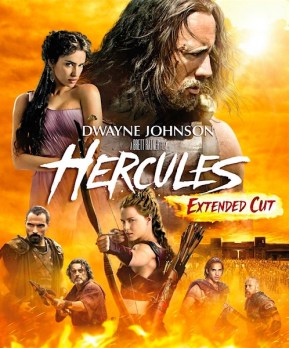 The answer to the question, “Hey, remember Brett Ratner? Whatever happened to him?”,
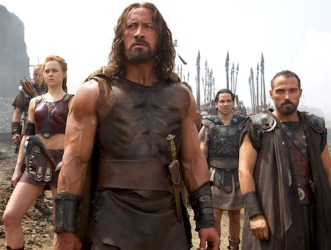 This extended cut wasn’t included on the UK Blu-ray, so no BBFC rating (it’s about a 15), but it is available on Netflix over here (it’s not listed as the extended cut, but it is). It’s no great shakes, though, adding only a couple of minutes. That’s made up of three short scenes, another half-a-dozen additional lines of dialogue, a couple of extra seconds of action, and some blink-and-you’ll-miss-it CG blood (full details

 Score:






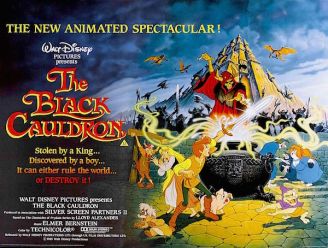 The Black Cauldron is best remembered as an intriguing footnote in the history of Disney animation. Their 25th ‘official’ film, it was the first with no songs, the first to earn a PG (after being cut — twice — to avoid a PG-13), and flopped so badly they disowned it for over a decade. Fully-animated sequences were cut after disastrous test screenings for parents, and famed exec Jeffrey Katzenberg, who came into Disney management during the film’s production, reportedly ordered 12 minutes cut, muddling the film’s story. What a mess.
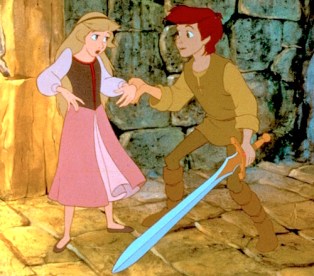 It’s always interesting when a company like Disney break outside of the norm, and it’s certainly brought them some degree of success in recent years with the likes of
  I’ve grown up with Indiana Jones around. Not in the way Harry Knowles may have (
 Recent adaptation of Patrick Süskind’s popular novel, often considered unfilmable because of its focus on the sense of smell. Tykwer covers for that with strong cinematography, with sumptuously rich visuals and a judicious use of close-ups to evoke beauty or disgust as appropriate (the early birth scene in a fish market is particularly rancid — do not watch this right after eating!)
 100Films.co.uk