
2007 #44
Lasse Hallström | 107 mins | DVD | 12 / R
Lasse Hallström | 107 mins | DVD | 12 / R
 As expected, this film pales in comparison to the Russell T Davies-scripted, David Tennant-starring BBC production from the same year. Where that version is witty, clever, entertaining and actually does something with the characters, this film is silly, predictable and only occasionally graced with an amusing moment. Heath Ledger isn’t in the same league as Tennant as Casanova-in-his-prime, and obviously few could compare to Peter O’Toole as old Casanova (in the BBC one, that is).
Basically: avoid this, but be sure to see the BBC one.
(Additionally, it says a lot about America that the vague innuendo and sexual themes of this gained it an R rating over there, while in the UK it only managed a (much more appropriate) 12.)

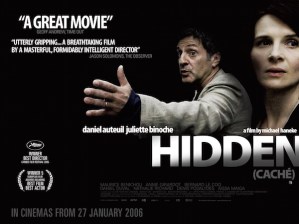 Empire’s 15th best film of 2006 is very European. “How so”, you may ask? Well, firstly, it is French; but it certainly feels it: it takes a very good concept/plot for a thriller and then stretches it out a little thin, with a notably slow pace, and a concentration on the dramatic impact on characters rather than plot movements. Not necessarily bad things, and it walks a fine line somewhere between them working and them failing (that is to say, it’s not wholly successful). There’s an irritating apparent lack of resolution, though reading one theory in an online review has suggested maybe I missed (or misinterpreted) it.

 Emily Blunt steals every scene, which is impressive alongside an Oscar-nominated Meryl Streep (that being the now-customary acting-nominee-from-a-blockbuster, est. 2004 by Mr Depp). Anne Hathaway provides the plot/emotional through-line against these performances, which is somewhat impressive when playing a lead character who morally sells out (albeit into a lifestyle that is undoubtedly desirable to the film’s intended audience).
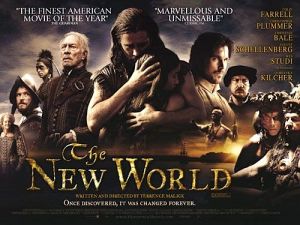 Slowly paced and beautifully photographed, this is about as far from Disney’s telling of the story (in
 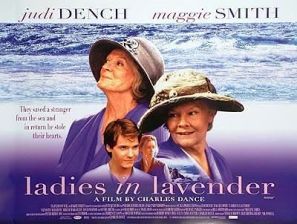 Judi Dench puts in her fourth appearance in this list (far and away the most represented actor, I should think) in Charles Dance’s first film as writer and director.
 While it might not be in quite the same league as
  I seem to recall reading that Secretary attempts to depict a realistic and sympathetic dominant/submissive relationship. Unfortunately this seems to come a bit unstuck with the feeling that the relationship is initially based in an emotionally (and physically) abusive act against a clearly vulnerable character, leaving the following events and mutually loving resolution tinged with a hint of something akin to Stockholm Syndrome, in my opinion.

