
Zack Snyder | 112 mins | DVD | 15 / R
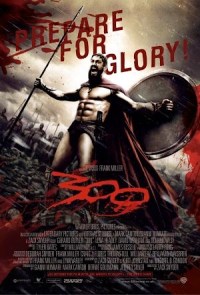 Highly stylised (and praised) adaptation of Frank Miller’s graphic novel about the battle of Thermopylae.
It’s very much a Man’s Film: long graphic battles, esteemed warrior values, mostly-naked women, heavy soundtrack… This doesn’t mean it’s without virtue: it looks stunning, and while the slow motion may be overused it creates some beautiful tableaus. There’s even room for characterisation among the soldiers; these arcs may be familiar, but for once the filmmakers seem aware of that and keep such scenes to an appropriate, deftly handled minimum.
The slight plot may be stretched a bit thin and the closing speech is sadly over-written, but 300 is nonetheless an enjoyable, and surprisingly pretty, minor epic.

300 placed 9th on my list of The Ten Best Films I Saw For the First Time in 2007, which can be read in full here.
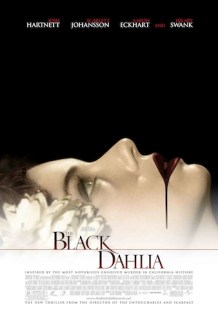 Noir-wannabe, adapted from the James Ellroy novel based on a real, unsolved case. That case is far from the focus here: from the start the apparently-central crime is anything but, meaning the biggest let-down is that events barely follow the eponymous story.
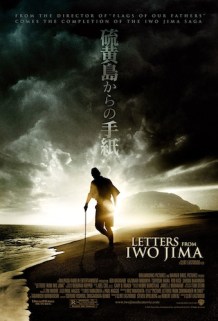 Companion to
  Stephen Fry leads a starry British ensemble in this biopic of poet, novelist, playwright and genius Oscar Wilde. The film focuses not on Wilde’s literary achievements and public life, but on his private relationships with various men, and in particular his obsession with the young Lord ‘Bosie’; of course, eventually, all of these things collide.
 Period drama focusing on the friendship between Queen Victoria and her Highland servant John Brown, alongside political threats faced by the British monarchy in the 1860s.
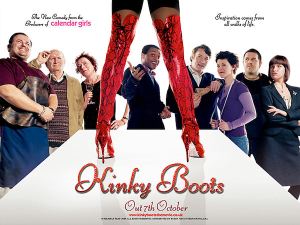 A working class Britcom in the vein of films like
 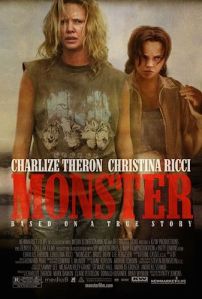 Charlize Theron uglies up (and wins an Oscar) portraying Aileen Wuornos, one of America’s first female serial killers, in this ‘true crime’ biopic. The film focuses on her 9-month relationship with Selby, played by Christina Ricci, which is also the period in which she killed several men (many of them, especially initially, not undeserving of their fate).
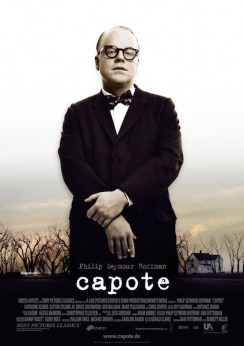 It is, unsurprisingly, Philip Seymour Hoffman’s Oscar-winning lead performance that dominates this movie. While the title might suggest a biopic, the film actually concentrates on the five year period in which Truman Capote researched and wrote his non-fiction novel In Cold Blood.
 It’s easy to see why
  “You’ve heard the story of Jesse James, of how he lived and died; If you’re still in need of something to read, here’s the story of Bonnie and Clyde.”
 100Films.co.uk