
2016 #17
Martin Scorsese | 156 mins | TV (HD) | 16:9 | USA & Canada / English | 15 / R
Martin Scorsese | 156 mins | TV (HD) | 16:9 | USA & Canada / English | 15 / R
 Scorsese tells the story of Jesus in this controversial epic adapted from Nikos Kazantzakis’ novel. I have no idea how much is actually rooted in scripture — a disclaimer is keen to establish the film isn’t based on the Gospels, but obviously that’s just to appease the devout.
However, the contentious parts are its strengths: it humanises Jesus, as he shows uncertainty about his God-given role and the earthly concerns that tempt him. Willem Dafoe makes Christ a plausible human, but Harvey Keitel’s Brooklyn-accented Judas feels like a spoof.
It’s a little overlong, but an interesting interpretation of the Messiah nonetheless.

For more quick reviews like this, look here.
 After the success of
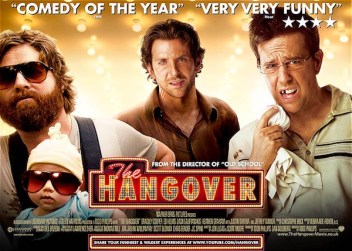 I confess, I only watched The Hangover to see what the fuss was about, and to get the tick on
 Con man Gordon Liu poses as San Te (Liu’s character from
 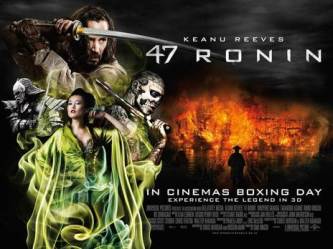 Blighted by behind-the-scenes difficulties, 47 Ronin wound up among
 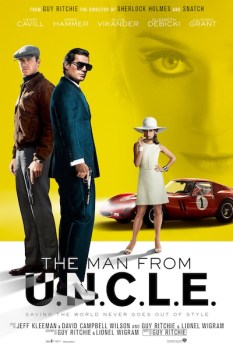 Guy Ritchie is a self-confessed non-fan of the classic ’60s spy-fi series
  Most of mankind have become vampires, but the blood supply is running out and without it people mutate into monsters. Ethan Hawke’s scientist is developing a substitute, but when he encounters human resistance fighters he learns there may actually be a cure…
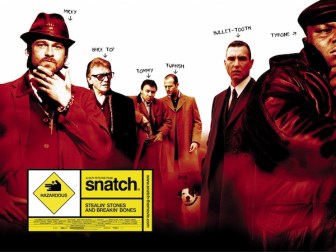 Guy Ritchie’s second feature met with relative indifference 16 years ago, consensus deeming it
  My first experience of Lubitsch’s US output concerns a man who arrives on Hell’s doorstep and reflects on his life to explain why he’s there.
 Arthouse favourite Michael Haneke criticises audience’s enjoyment of screen violence. It certainly achieves its aim of being a grim, brutal depiction of violence in real-life, creating a situation that feels inescapable not only for the characters but the audience too. Some cinematic trickery is also deployed to striking, if divisive, effect.
 100Films.co.uk