2007 #100
1941 | Orson Welles | 114 mins | DVD | U / PG
As of 1st August 2012, Citizen Kane is no longer the greatest film of all time. Here are some brief, aimless thoughts I had about it when I saw it for the first time, almost exactly five years ago…
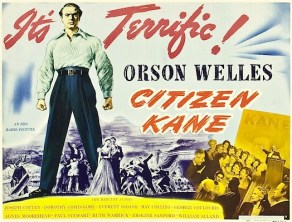 Yes, that’s right: I’m a film buff and I’ve never seen Citizen Kane. I think this is a good occasion to have saved it for though. But I digress — what of the film itself; the film often voted Best Ever in countless polls?
Certainly, a lot of its fame rests on its innovations — the frequently ambitious camera work, the non-linear narrative, the multiple perspectives, the ‘trick’ beginnings, the dramatic lighting, the expansive sets… Not all of these are truly new (European art cinema and silent movies generally got to some first), but Welles can be credited for bringing some of it to the Hollywood mainstream; and even then, there’s enough truly new to justify the praise. A lot of it may be commonplace now, or at least widely imitated, but viewed in light of the limitations of the time it is frequently breathtaking.
It isn’t just technically marvellous though: the story is moderately complex, telling and re-telling itself from various perspectives, framing recollections of Kane’s life within a ‘present day’ quest to find the meaning behind his final words. The jumps demand the viewer’s attention even today, the full story slowly coming together… even though it’s almost all given to you in a 10-minute fake newsreel at the start! Welles’ performance is exceptional, depicting Kane as he grows from a young reckless newspaper editor into an aged recluse. He’s aided by effective make-up (looking remarkably like Welles himself would later in life), but it’s his performance from under it that shows the real differences.
There’s a lot more to be said about Kane (much of it already has, of course), and you don’t need me to tell you that if you’re a film fan this is required viewing. But even if you’re a ‘Normal Person’ I’d recommend it — I can’t guarantee you’ll like it, but you might well be surprised.
Citizen Kane placed 7th on my list of The Ten Best Films I Saw For the First Time in 2007, which can be read in full here.

 The first of the silent Fantômas films (I reviewed the second previously).
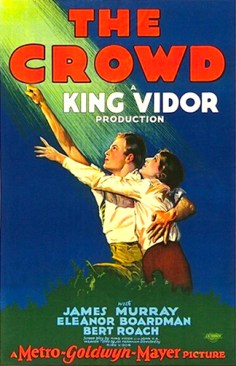 Late silent-era drama — though you’d be forgiven for thinking it was a comedy until halfway, when the light antics of a young couple in ’20s New York give way to some increasingly dark drama (interesting trivia: seven endings were shot for distributors to choose from, some happy and some sad; all chose sad ones. However, the copy we saw (taped from an ’80s TV showing) had a happy ending).
 Silent movie (Universal’s first feature-length release) about white slavery in America. You don’t expect that from a 1913 film, eh?
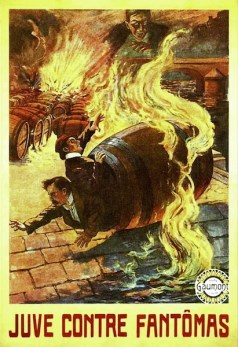 Second instalment of the early French film serial, adapted from a long-running series of pulp novels.
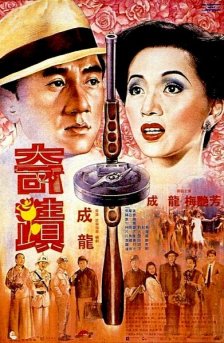 I’ve always been a bit wary of Chan’s films: he’s renowned for using comedy in his action (to help break away from the frequently-applied “new Bruce Lee” label), which isn’t really to my taste; but after we were shown an impressive clip from this in a lecture I felt I had to give it a go.

 Classic adaptation of the acclaimed novel. While my experience of Dickens is woefully limited to screen adaptations, this tale is one of my lesser favourites; the first act and elements of the climax are wonderfully Gothic (and here beautifully directed to that effect), but it seems to lack the depth or importance of works such as Bleak House, Oliver Twist or A Christmas Carol.
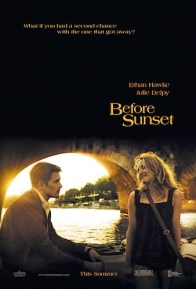 Nine years on, Jesse and Celine meet again in Paris…
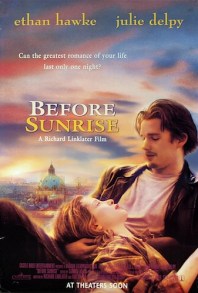 Two 20-somethings meet on a train from Budapest to Paris, get off in Vienna and spend the night there until one of them has to fly out in the morning. A simple premise, though you may wonder how it sustains 95 minutes.
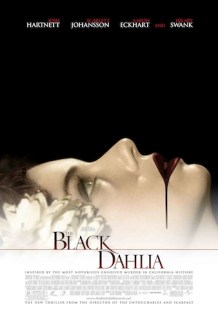 Noir-wannabe, adapted from the James Ellroy novel based on a real, unsolved case. That case is far from the focus here: from the start the apparently-central crime is anything but, meaning the biggest let-down is that events barely follow the eponymous story.
