For today’s top ten I’ve opened up iTunes, sorted all my songs by play count, and seen which are my most-listened-to cues from film & TV soundtracks. I’m not a great musical connoisseur, really, so because of that and this just being a statistical most-played list, expect lots of exciting action music — especially as this includes plays from when I wrote a blockbuster-style screenplay for one of my university dissertations, so I listened to an awful lot of that kinda stuff then.
Couple of other points: These are all score cues rather than songs that are on soundtracks, because, well, that’s what I chose to do. However, I have included trailer music, but only when it was composed especially for the trailer — nothing from those generic “music for trailers”-type albums. Finally, I’ve ditched repeats from the same album, because I thought this would basically be the track list for Pirates of the Caribbean otherwise. Turns out that wouldn’t’ve been the case, and instead it removed a track from, of all things, Torchwood.
10 Suite from X2 from X-Men 2
I’ve written before of my fondness for John Ottman’s X-Men theme. As this was the only version of it for years, I listened to it plenty. I guess it’ll be supplanted by the version from X-Men: Apocalypse eventually, because the tracks on that album are less ‘cluttered’ with other bits of the score. (As the confusion about X2’s title continues, let me note this: the UK soundtrack album is called X-Men 2 and this track on it is called Suite from X2; the US soundtrack album is called X2 and this track on it is called Suite from X-Men 2.)
9 Wheel of Fortune from Pirates of the Caribbean: Dead Man’s Chest
From the second Pirates movie, this is the cue from the big sword fight climax — which, as you may remember, includes a runaway water wheel, hence the title. For all his production-line type methods, Hans Zimmer can deliver a very effective action cue.
8 Closing Credits: “Bolero” from Moulin Rouge
As with much of the music in Baz Luhrmann’s musical, this is a track that suggests a lot of drama, even if it ‘only’ plays over the end credits. I can’t really explain why I like it so much, but I do. For whatever reason I listened to it every day on my way to work when I interned for a summer in New York, which (a) didn’t do its play count any harm, and (b) means I always associate it with riding the Subway, weirdly. As to who wrote it, I’ve got it down as being by the film’s composer, Craig Armstrong, but Wikipedia says Steve Sharples and Allmusic says Simon Standage, so I dunno.
7 This is Gallifrey: Our Childhood, Our Home from Doctor Who: Series 3
Murray Gold has been composing all of Doctor Who’s music for over a decade now, which is quite an achievement, especially for a show that so regularly changes its style — week to week, in many respects. My favourite piece of his work is probably his theme for the 11th Doctor, created for series five, but I’ve most listened to this elegiac piece for the Doctor’s home planet from the series three finale.
6 Mind Heist from the Inception trailer
Braaaam! Christopher Nolan’s film is perhaps most famous for defining trailer music for the next… well, it’s still kinda ongoing, isn’t it? Yet that recognisable cue used in the trailers isn’t actually from the film itself. Heck, it’s not even by the film’s composer, Hans Zimmer (him again!) The story behind it is a mite more complicated, but Zack Hemsey was one of the main people involved in the final trailer, and it was he who put out a track with his version of that work, so here it is.
5 The James Bond Theme from the Casino Royale trailer
Monty Norman’s James Bond Theme has been re-worked countless times down the years, but this version struck me as soon as I first heard it for one key reason: voices. The final part of the track has the familiar tune accompanied by a choir, I believe for the first time, and it sounds fantastic. It was created by trailer music outfit Pfeifer Broz. Music specifically for the Casino Royale trailer, so you won’t find it on the soundtrack CD, but, of course, it’s still out there to be found…
4 Can You Dig It (Iron Man 3 Main Titles) from Iron Man 3
Despite their continued success, there are criticisms regularly raised against Marvel’s shared universe movies. One is the weak villains. Another is the painfully generic music. That’s precisely why Brian Tyler’s title theme from the third Iron Man stands out so: it accompanies the ’70s-action-show-style credit sequence with a ’70s-action-show-style reworking of the film’s main theme (which I also quite like, but is much more standard “modern blockbuster music” in sound).
3 Drink Up Me Hearties from Pirates of the Caribbean: At World’s End
More ZimmerPirates. This is the final cue, accompanying the end credits of the film, and as such is something of a summation of the series’ music. It’s kind of the epitome of modern blockbuster scores, for good or ill.
2 The Chase from Torchwood
More Murray Gold, here composing with his Doctor Who orchestrator, Ben Foster. This ticks many of the boxes I mentioned at the start: an action cue from my screenwriting playlist. Gold’s Whoniverse music has most often been in the style of modern blockbuster movies, because that’s the feel the show has gone for, but by distilling the essence of that style he has on occasion produced tracks that exceed its big-budget counterparts for effectiveness. This is one such occasion: as fast-paced action tracks go, this is often one of the fastest and actioniest.
1 He’s a Pirate from Pirates of the Caribbean: The Curse of the Black Pearl
The creation of Pirates of the Caribbean’s soundtrack is a notorious clusterfuck of composers literally competing against each other to produce something for the Disney movie. Reports vary on what exactly went on, but I believe the long and the short of it is Klaus Badelt wrote the most music that was actually used and so got the credit on the CD. Presumably Hans Zimmer didn’t think the film would be all that big and didn’t care — he certainly took the credit for the sequels’ scores, though. Anyway, this recognisable main theme actually has its roots in another Zimmer score, Drop Zone, as you can hear here. Shocking self-plagiarism, ain’t it? Still, this improved version is the one everyone knows now, and it’s wound up my most-played soundtrack track.
Howard Hawks famously said that a good movie was simply “three good scenes and no bad ones”. For today’s list, I’m focusing on examples of the former.
There’s no set average for the number of scenes in a feature film, but a good rule of thumb is that a typical movie scene lasts two or three minutes — which means I’ve probably seen in excess of 48,000 scenes as part of this blog. That’s rather a lot to recall, so I’m not presuming to say these ten are the very greatest from that lot. What they are is ten that stuck in my memory particularly, for one reason or another. Even if they’re not the greatest, they are great.
10 The Swimming Pool from Let the Right One In
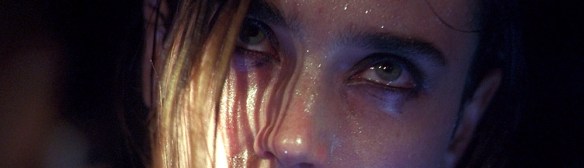
The bullies that have plagued young Oskar throughout the film corner him in a public swimming pool and, brandishing a knife, inform him that if he can’t hold his breath for three minutes he’ll lose an eye. They push Oskar under the water. The seconds tick by. Then, we reach the real reason this scene is here: as the shot holds on Oskar underwater, we hear the muffled sounds of breaking glass, then screams. Feet run backwards across the water. Heads and limbs drop into the pool. The water begins to turn red. This could’ve been a brutal action climax like any other, but by staging it in a brightly-lit swimming pool, by not showing us the meat of the action, and by achieving it all in one shot, director Tomas Alfredson creates a sequence of supernatural force that is eerily grounded.
9 The Opening Shot from Touch of Evil
Long takes are all the rage nowadays, made even easier by advances in digital cinematography and editing, but this hails from a time when they were a bit more special. It remains one of the most famous because of its content: we see a bomb planted on a car, then follow it as its unsuspecting owners drive through the streets. When will it go off? And, beyond that, Welles’ preferred soundtrack — overlapping snippets from multiple sources as the camera moves through the town — helps establish the melting-pot world of the film about to follow.
8 The Train Robbery from The Assassination of Jesse James by the Coward Robert Ford
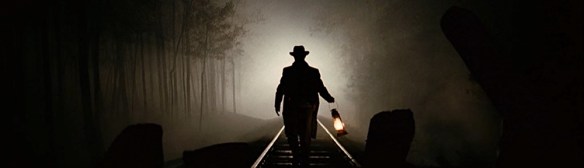
Another opening scene where the photography is the star. This time, it’s the work of the great Roger Deakins, as a gang of crooks await a train in a forest at night, lit only by the orange glow of lanterns. Then the train itself arrives, its stark headlight throwing sharp relief on the shadowy trees. Deakins himself has said it’s his best work, and who are we to disagree? The effectiveness is only heightened by the slow, deliberate, tension-mounting pace maintained by director Andrew Dominik.
7 The Superfreak Dance from Little Miss Sunshine
After all the trials and tribulations of the movie, the Hoover family finally make it to the Little Miss Sunshine pageant and little seven-year-old Olive gets up on stage… where she dances a striptease-style routine to Superfreak. It neatly satirises and pillories the ludicrous sexualisation of these beauty pageants. Then the sequence only gains in stature when the officials try to pull Olive off stage early, which ends up with the whole family throwing dignity to the wind and dancing with her — the previously disjointed family finally united.
6 The Tanker Chase from Mad Max 2
I already discussed this at length in my review, so to quote myself, it’s “an almighty action sequence […] a speeding battle through the outback. It feels wrong to just call it ‘an action sequence’, like that’s selling it short. You get the sense that this is why the movie exists; that co-writer/director George Miller’s goal with the entire rest of the film has been to get us to this point. It’s not just ‘the climax’, it’s ‘the third act’, and it’s stunning — the choreography of it, the editing, the stunts, as dozens of vehicles chase each other, people run around on top of them, jump between them… I don’t think it’s hyperbolic to say it must be one of the greatest action sequences ever committed to film.” It’s so good, they later remade it as an entire movie. And if you want to see something equally awesome, here’s the Mad Max 2 scene re-scored with music from Fury Road.
5 The Henley Royal Regatta Boat Race from The Social Network
You could cut this 100-second sequence out of The Social Network and it would have no impact on the film’s plot, but it would also rob us of one of the most striking sequences in the CV of director David Fincher — and considering his continued visual mastery, that’s saying something. The tilt-shift-style photography came out of necessity, as the sequence was shot just months before the film’s release and they had to shoot the close-ups somewhere else entirely, but it gives the whole thing a unique visual style that, particularly when combined with a version of In the Hall of the Mountain King from composers Trent Reznor and Atticus Ross, is something very special.
4 The Poem from Skyfall
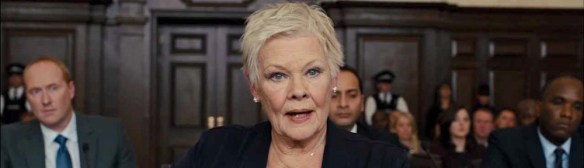
Whoever thought we’d one day find moviemaking artistry in the James Bond series? Skyfall isn’t even the first time that happened (see: the opera escape from Quantum of Solace), but the reason this sequence is even better is the way it sums up the film’s themes. As I described it in my review: “Bond races to an inquiry where M is giving evidence, in pursuit of Silva who is intending to finalise his revenge, with the soundtrack sharing only Judi Dench’s voice delivering a reading from Tennyson: ‘though we are not now that strength which in old days moved earth and heaven,’ she says, cementing [the] themes of what the role of the secret service (and, indeed, Britain) is in the modern world; and continues, ‘heroic hearts, made weak by time and fate, but strong in will to strive, to seek, to find, and not to yield,’ as a weakened, past-it Bond races to her rescue. It’s so perfect it could have been written for the film especially.”
3 The Truck Flip from The Dark Knight
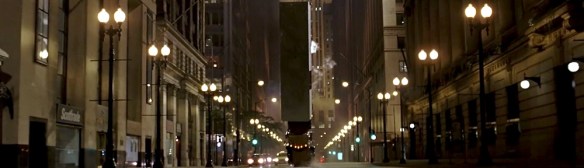
Pure spectacle seems hard to come across in movies post-CGI, where anything that can be imagined can be created on screen by even relatively small-scale movies. But when you combine the first time a narrative feature film had been shot in IMAX with an incredible stunt performed for real, you’re reminded of the magic of cinema. It’s the most memorable part of a car chase sequence that is exceptionally well executed on the whole, too.
2 The Montage from Requiem for a Dream
To quote my review: “I’m not sure you can quite be prepared for what comes [at the end]. Even if you were told what happens, or see some of the imagery, or feel like you can see worse stuff on the internet without even looking too hard (which, of course, you can)… that’s not the point. It’s the editing, the sound design, the sheer filmmaking, which renders the film’s final few minutes — a frenzied montage that crosscuts the climaxes of all four characters’ stories — as some of the most powerful in cinema. It’s horrendous. It’s brilliant.”
1 The Basement from Zodiac
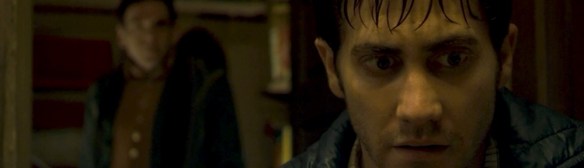
When I first thought of this idea for a top ten, this was the first thing that came to mind. In it, Jake Gyllenhaal’s obsessive investigator Robert Graysmith visits the home of a suspect’s friend. The pair are alone in the house, and they both go down into the basement to see something… when Robert hears someone upstairs. Describing this scene does it no justice — it’s one of the most hair-raisingly chilling in screen history.
Tomorrow: New York, London, Paris, Munich, everybody talk about… film music.
Whether they be director’s, extended, ultimate, or any number of strung-together adjectives someone in marketing thought sounded exciting, direct-to-home-media alternate cuts of movies are all the rage nowadays. They have been for quite a while, actually — thanks no doubt to the booming sales of the DVD era — so for today’s top ten I thought I’d run down some of the most effective. I don’t necessarily mean the best (these aren’t “the ten best films that happen to have extended editions”), but rather the ones that have the biggest positive impact on the end result — which is sometimes the same thing, of course.
I know the initially stated point of these top tens was to look back over the last ten years, but this time I’ve widened the remit to include all extended cuts, mainly because that only added one title. Losing out because of that is X-Men: Days of Future Past – The Rogue Cut, which does contain significant changes, especially to the climax, but didn’t really belong because I actually think the theatrical cut is smoother.
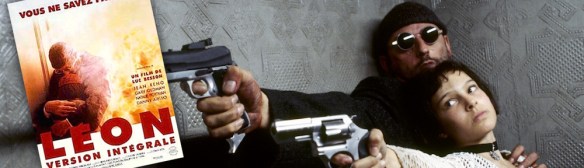
10 Léon
Version Intégrale
To undermine my introduction right away, the extended version of Léon doesn’t actually make massive changes to the movie. Some of the additions bolster character development, but the film wasn’t shortchanged on that in the first place. It is great though, but it’s also just more greatness. Does that mean it shouldn’t be here? Well, if you’re watching the US Blu-ray, it’s the longer version that has the proper title card, which is reason enough to prefer it in itself.
9 Watchmen
Director’s Cut
There are three cuts of Watchmen, but it’s the middle one that is director Zack Snyder’s preferred version of the film (aptly, given its subtitle). I’ve still not got round to the semi-experimental Ultimate Cut so can’t truthfully comment on whether Snyder’s right, but when I reviewed the Director’s Cut I asserted that, thanks to “a little extra room to breathe and a few worthwhile extensions, and in spite of the odd tweak that doesn’t work, this is the superior cut of the film.”
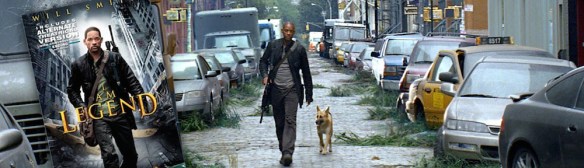
8 I Am Legend
Alternate Theatrical Version
The extended cut of I Am Legend has one of the most meaningless subtitles of all — it wasn’t released theatrically, so how is it an “alternate theatrical version”? That said, “alternate” is definitely a more apt descriptor than “extended”: although this version is longer, the biggest change is a completely different ending. That makes a difference to the film’s tone, as well as paying off some subplots. But it only changes the movie so much — those misguided CGI creatures are still there, after all.
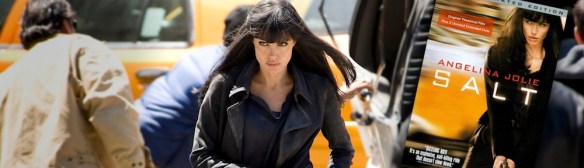
7 Salt
Director’s Cut
This middling action-thriller starring Angelina Jolie is not the first film that’s going to come to mind to most people (for any reason, ever), but it exists in three different cuts that make some striking differences. I discussed them in depth in my review, but on balance the one they labelled the Director’s Cut is best.
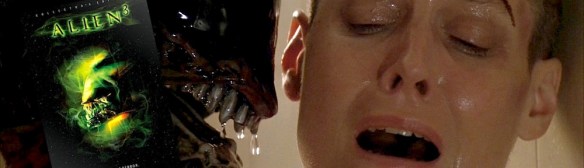
6 Alien³
Assembly Cut
The second Alien sequel was a fraught production for a number of reasons, which wound up in an obviously-compromised theatrical version. A little over a decade later (doesn’t sound so long with hindsight, does it?) the original “assembly cut” was released — not a director’s cut because, understandably, David Fincher wants nothing to do with the movie. The different version doesn’t save the film entirely, but it does clarify some of it, thereby improving it.
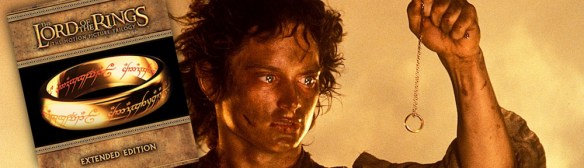
5 The Lord of the Rings
Extended Edition
From Fellowship onwards, the extended versions of Peter Jackson’s adaptation of J.R.R. Tolkien’s epic are the preferred versions, deepening characters and expanding the rich world of the story. But by the time of the third and final movie, they’re essential: in a rare misstep, Jackson chose to completely excise one of the trilogy’s primary villains, Christopher Lee’s Saruman, from the theatrical version of Return of the King, so only in the extended version is the storyline of a major character actually resolved. That film won Best Picture nonetheless, which is why these aren’t ranked higher: the extended cuts are better, yes, but the theatrical versions are an incredible cinematic achievement regardless.
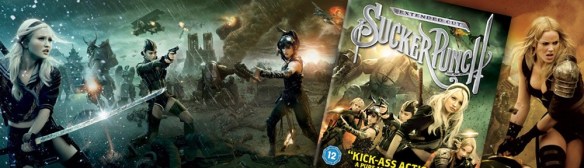
4 Sucker Punch
Extended Cut
Zack Snyder again, with another director’s preferred cut only debuting on the home release. This time he had to cut the film for censorship, revising it multiple times until the MPAA gave it the necessary PG-13. In the process, he removed several lines and scenes that helped to clarify what the hell was going on, which is rather helpful in such a crazy-ass movie. I’ve never bothered with the theatrical cut, but — in its extended form if no other — I think it’s something of an underrated movie.
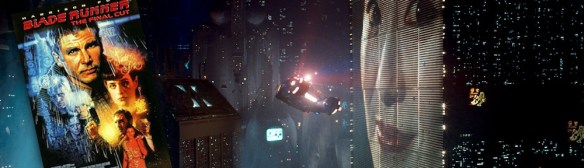
3 Blade Runner
The Final Cut
Arguably the daddy of all alternate cuts, Blade Runner’s so-called Director’s Cut wasn’t really anything of the sort — Ridley Scott was busy and couldn’t be properly involved, merely providing notes for a studio after a fast buck. Years later, he was able to do it properly, resulting in the aptly named Final Cut… which is kinda just a polished version of the earlier Director’s Cut, but there you go. (Incidentally, there are some people who prefer the theatrical version. I’ve still not got round to it myself, but… well, there are also some people who prefer the theatrical cuts of Lord of the Rings. What I’m saying is, there’s no accounting for taste.)
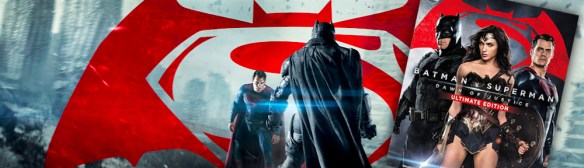
2 Batman v Superman: Dawn of Justice
Ultimate Edition
Guess who’s back? Zack Snyder’s third entry on this list is his most effective revised cut he’s yet done. There are aspects of Batman v Superman that mean some people will never like it, but it’s hard to argue that the Ultimate Edition isn’t an improvement, clarifying plot details and character motivations left, right, and centre. Seriously, though, what is it with Zack Snyder and cutting scenes that explain the plot?! At least when he does a director’s cut (which is most of the time) he really makes use of it.
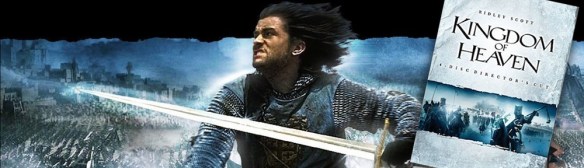
1 Kingdom of Heaven
Director’s Cut
Guess who’s also back? The other great proponent of the director’s cut, Ridley Scott — though he’s more prone to using and abusing the term than Mr Snyder (the director’s cut of Alien is, famously, nothing of the sort). I’ve never seen the theatrical version of Kingdom of Heaven so can’t actually vouch for this myself, but, by adding a massive 45 minutes of material, Scott’s lengthier cut turned a theatrical dog into a film some regard as a masterpiece. I can’t think of another director’s cut that has ever instigated such a thorough reappraisal of a film’s critical standing.
It’s 100 Films’ 10th birthday at the end of the month. To mark the occasion, I thought in the run-up to it I’d publish some lists based on the last ten years of my blog, because who doesn’t love a list?
How many lists have I got? Why, 100 of course!
…haha, no — that would be ridiculous. There are ten — one for each year of 100 Films. And each one has ten items on it. Ten times ten is… why, it’s 100! What a coincidence.
For the first list, I’ve put opinion aside for pure facts: these are the ten directors who’ve been most-reviewed on this blog. That excludes films only featured in my 100 Favourites series — this is just their work that has been covered as part of my ‘main’ blog.
It may be worth noting that, because it’s purely based on statistics, this isn’t a list of my ten favourite directors… though as they’re ones I keep watching movies by, I guess it’d be a fair starting point.
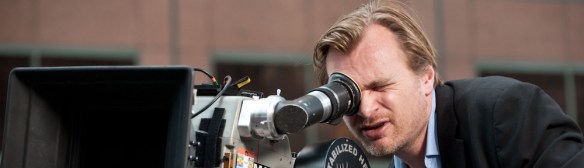
10 Christopher Nolan
Christopher Nolan has made nine feature films, and seven of them are reviewed here. Throw in an extra one for the IMAX version of The Dark Knight and his short documentary, Quay, and he edges ahead of runners-up John Carpenter, Ernst Lubitsch, George Miller, and Billy Wilder.
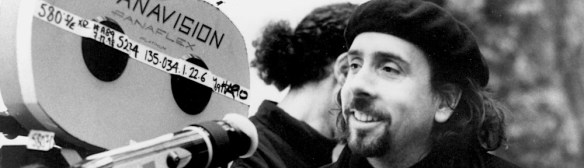
9 Tim Burton
The next four directors are technically tied, but I’ve found a way to differentiate them. First: the Burtonesque Tim Burton, whose eight entries can be split into six main-list films and two reviews of things I’d already seen (Batman and Batman Returns).
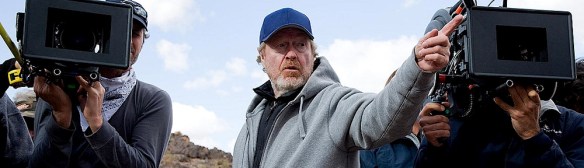
8 Ridley Scott
Next, the man we can probably thank for all the Director’s Cuts we get these days, the more classical of the two Scott brothers, Sir Ridley Scott. He also has eight, of course, which factors in six main-list films, one alternate cut that I nonetheless counted on my main list (Blade Runner: The Final Cut), and one non-main-list film (Alien: The Director’s Cut).
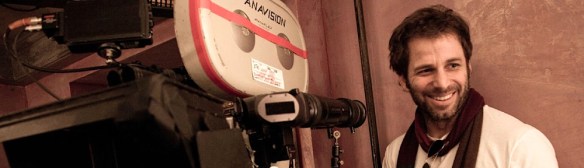
7 Zack Snyder
Our third eight-film filmmaker is everyone’s favourite “visionary” director of superhero movies (right?), Zack Snyder. All eight of his films were on the main list, though two of them were alternate versions (the extended cuts of Batman v Superman and Watchmen).
6 Clint Eastwood
Simple and straight-up, much like the man himself, Clint Eastwood has a pure eight films.
5 Steven Soderbergh
The top five heads into double figures, with ten films for one-time enfant terrible and now retiree Steven Soderbergh.
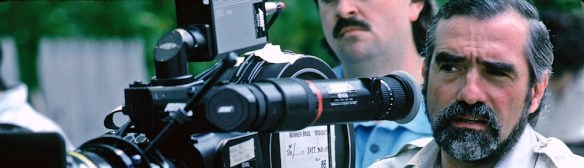
4 Martin Scorsese
Perpetual awards season snubee, Martin Scorsese also has ten feature films, but edges ahead thanks to his part in anthology film New York Stories.
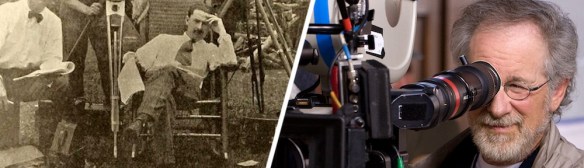
=2 Roy William Neill / Steven Spielberg
Unlike other directors on this list, there’s no reasonable way to differentiate this pair. You may not know the name Roy William Neill, but he helmed eleven of the fourteen Sherlock Holmes films starring Basil Rathbone, and those four years of work have landed him near the top of this list. Conversely, Steven Spielberg is probably the most famous film director working today, if not ever, and his eleven films span 44 years, stretching from his first (1971’s Duel) to his most recent Oscar nominee (2015’s Bridge of Spies).
1 David Fincher
Topping the list is my go-to pick for favourite director, David Fincher. He’s helmed ten movies, but I’ve reviewed twelve — that’s eleven main-list features (including the Assembly Cut of Alien³) and one extra for the marginally-extended director’s cut of Zodiac.
After last month’s bumper-bonus TV review (with three major series to review, plus a couple of big specials), the past four weeks have been pretty quiet. I’ve certainly watched stuff, just very little of it feels worthy of comment.
Nonetheless, there was this:
The Missing(Series 2) While everybody’s busy fawning over Happy Valley (never watched it) and Line of Duty (series one was quite good; I need to catch up), I reckon The Missing is one of the best dramas British TV has produced in a good long while. The second series (which aired towards the end of last year over here and, coincidentally, started last Sunday in the US) is every bit the equal of the first, and possibly even better — and considering how good the first was, that really is an achievement.
Featuring a brand-new case (what with the first one having been resolved), sibling screenwriters Harry and Jack Williams have this time made their story and scripts even tighter, partly in awareness of the scrutiny fans exacted upon the first run. What that means in practice is every mystery has an answer; nothing is thrown away, nothing is a mistake. That’s even more impressive given some of the audacious twists they pull off, which I shan’t spoil here.
As well as the enjoyable plot theatrics, the emotional lives of the characters are as on point as ever. Maybe none are quite as effective as the toll exerted on James Nesbitt’s character in series one, but the cast is arguably more well-rounded beyond a sole lead. Talking of which, the only major returning character, Tchéky Karyo’s detective Julien Baptiste, is even more central this time, which can only be a good thing because he’s a top character expertly brought to life. The writers agree: while a third series of The Missing is contingent on them having a good idea for a story, they’ve talked about potentially conjuring up a Baptiste spin-off instead.
I’ve recently been thinking about my favourite TV series of the last ten years. There are rather a lot of contenders, considering the golden age of “peak TV” we’re currently living through. Frankly, I’m not sure if The Missing will quite crack the top ten, but it’s definitely in the conversation.
The British Academy Film Awards 2017 aka the BAFTAs, obv. I have to say, I thought it was a pretty dull show this year. For starters, Cirque du Soleil — impressive, but what’s it got to do with the last year in film? Why did no one write Stephen Fry some good material for his opening monologue? Then there were the awards themselves. Short on surprises — the big prizes went where expected, the smaller ones erred British. None of the American winners are committed to giving a decent speech here because they’re saving it all for the Oscars. Well, apart from the Kubo guy — he knows his award is going to Zootropolistopia next fortnight and so he gave us his best stuff. Good on him.
Also watched…
Death in ParadiseSeries 6 Episodes 2-6 — Caribbean murder.
The FlashSeason 3 Episodes 10-11 / ArrowSeason 5 Episodes 9-11 — not much need to investigate the murders here, as the heroes are doing them half the time.
Who Dares WinsSeries 9 Episodes 5-6 — they’ve had to cut out the National Lottery bits now they’ve dropped that from TV, and they’re shunting it around the schedule like an unloved heirloom they’ve committed to display but really rather wouldn’t… and it is a kind of terrible show, really… but the lists, man, they keep me coming back. #addict
Things to Catch Up On It must be a slow time for TV — I don’t even feel like I’ve been missing all that much. Well, X-Men spin-off Legion recently started and I haven’t got round to that yet, and 24 spin-off / sequel / continuation 24: Legacy started in the UK last night, so I’ve barely had a chance to watch it (I’ll have something to say about that next month, then). So I really have no excuse for not watching Westworld yet. Oh, and I need to get on with starting my long-planned re-watch of Twin Peaks, because there are only…
94 days until new Twin Peaks.
Next month… the final series of Broadchurch begins.
4. Mention the creator of the award and provide a link as well.
The Mystery Blogger Award was created by Okoto Enigma.
5. Tell your readers 3 things about yourself.
1) The last five Blu-rays I bought were: the new remastered release of Heat, The Last of the Mohicans, The King of Comedy, The Mask of Zorro, and… Red Sonja. Yep.
2) I spend most of my spare time… writing this blog. I really should get some other hobbies.
3) I have to sign a non-disclosure agreement for my job, which means I can’t tell you what I recently learned about a certain rodent abode and their plunderous pentalogy. (It’s not that exciting really, just more interesting than the stuff I usually know about.)
6. Nominate 10 – 20 people.
That’s… quite a lot of people. As these awards sometimes have a tendency to go round and round, and I know not everyone’s interested in doing them, feel free to consider yourself invited if you’re reading this. Reply in the comments or on your own blog, the choice is yours!
7. Notify your nominees by commenting on their blog.
See above.
8. Ask your nominees any 5 questions of your choice; with one weird or funny question (specify).
1) Which film haven’t you seen that you most feel you should’ve seen?
2) R2-D2 or BB-8?
3) With the Oscars imminent, which previous Best Picture winner do you think was the least deserving?
4) Tea or coffee?
5) What’s in the box? What’s in the box?! (This is the weird and/or funny question.)
9. Share a link to your best post(s).
I mean, they’re all pretty great, amiright? Thanks to that bracketed S, I’m going to mention a regular feature rather than one specific post: the Arbie awards that I hand out each month.
As you can see, the rules don’t actually mention answering the nominator’s five questions, which I can’t help but feel is an itty-bitty oversight on the part of the creator. Nonetheless, here are my answers to sgliput’s queries…
What film(s) do you love that others seem to ignore or not even know about?
I’m sure there are loads, but I’m going to go with Josie and the Pussycats.
If you had to eat one food (or kind of food) for the rest of your life, what would it be?
Pizza is the food of the gods. Also, flexible.
If technology allowed us to live in an ideal virtual Matrix-world, would you choose that over reality?
I mean, if I could do all that cool kung fu stuff, maybe. But as it’s other people who contribute an awful lot to making the world a shitty place at times, how ideal would a virtual world with those people in it really be?
What one film do you think is vastly overrated?
I’m sure there are loads of these as well, but the one that always springs to mind is No Country for Old Men.
For a fun question, you have three paradox-free wishes that won’t come back to bite you (says a genie). What would they be?
Paradox free? Well, I’d have to wish my old dog, Rory, back to life; I’d wish for, like, a billion pounds, because then I’d be pretty well set; and I’d wish for a thousand more wishes, too.
2017 gets underway with 15 new films. (I’ll talk about my Rewatchathon in a bit.)
That’s the 32nd consecutive month with ten or more films.
It’s just shy of the 2016 average (16.25), and makes the average for the last 12 months 15.83.
It does beat the January average of 11, though. However, it’s the lowest January since 2014; but it’s also the third largest January ever. Swings and roundabouts, eh?
This month’s Blindspot viewing: Francis Ford Coppola’s great ’70s paranoid surveillance thriller, The Conversation.
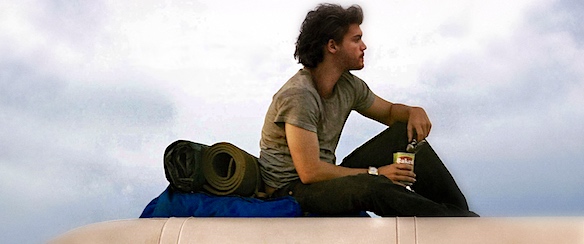
This month’s WDYMYHS viewing: getting the film I had least interest in out of the way, Sean Penn’s Into the Wild. And I was right, it was a mess.
The 20th Monthly Arbitrary Awards
Favourite Film of the Month
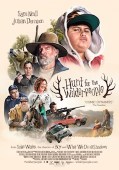
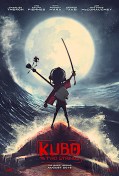
Multiple films snagged full marks this month, and several I’d say are already hot favourites for my best-of-year list in 11 months’ time, which makes this a particularly tricky choice. On balance, however, I’m going to say charming Kiwi comedy is trumped (on this occasion) by the fantastical world conjured through the incredible artistry of Kubo and the Two Strings.
Least Favourite Film of the Month
For all its faults, London Has Fallen was pretty much what I expected it to be. Into the Wild, on the other hand, is misguided and overrated.
Best Original Song of the Month
I’m sure La La Land is great ‘n’ all, but the lack of Oscar recognition for Sing Street’s music is disappointing. My personal pick would be The Riddle of the Model, but there’s a lot to be said for Drive It Like You Stole It too — especially considering…
Best Dance Routine of the Month
You haven’t lived until you’ve seen Littlefinger do a steering wheel-inspired dance move to Drive It Like You Stole It.
The Audience Award for Most-Viewed New Post of the Month
As we know, statistics are The Best Thing Ever, which surely explains why my 2016: The Full List post was by far the most-read in January. Lists are almost as good, which surely explains why my Best & Worst of 2016 came second.
Yeah, that’s it. I watched it after The Conversation, because of the theory about Gene Hackman’s characters being the same guy. I can see where the idea came from, but it does not hold up.
Anyway, only rewatching one thing is OK — although my goal of 52 films was inspired by the principle of watching one per week, I never intended to stick to that slavishly; especially as I had Netflix this month, which led me to focus on newer stuff available there while I had it. I’ll make it up later.
It’s about time for an update to my director’s page header image, which features the 20 directors who have the most films covered on this blog. My 100 Favourites series created a bit of a shake-up in this area, with the main beneficiary being Steven Spielberg. I also watched a fair few of his films that I hadn’t got round to in 2016, so all told he was catapulted from six films at the end of 2015, to 17 at the end of 2016. But he’d already made it onto the header last year, so his newfound abundance doesn’t actually affect that.
As for what has changed, then, six directors drop out: Danny Boyle, Marc Forster, Alfred Hitchcock, Fritz Lang, Vincente Minnelli, and George A. Romero. In their place we have (in descending order of number of movies): Peter Jackson, Bryan Singer, John Carpenter, Tony Scott, Robert Zemeckis, and Michael Bay.
Wait… Michael Bay? Yeah, I can’t stand for that. No Bay; Hitchcock stays.
It’s the official 10th birthday of 100 Films at the end of February, for which I’m working on a whole host o’ posts.
When I started this TV coverage almost a year ago I promised short reviews, but with three major releases falling under its purview this month — plus a big crossover and the best thing that was on TV this Christmas (and sundry other bits to mention too) — I find myself with quite a bit to say…
A Series of Unfortunate Events(Season 1) I’ve never read A Series of Unfortunate Events, the 13-book cycle of faux-gothic novels by Lemony Snicket that recount the terrible lives of the Baudelaire orphans as they are stalked by the scheming Count Olaf. I am, however, a verified fan / defender of the 2004 movie adaptation (I even included it in my 100 Favourites series last year) — one of few, it seemed, because the movie wasn’t a huge hit and, though it only adapted the first three of the books, no sequels were forthcoming. So I was most excited when it was announced Netflix were re-adapting the books for the small screen — and, fortunately, the new version turns out to be (aside from a few wobbles) a veritably fine drama.
The biggest of those wobbles is getting started. The series has a very particular tone and style, and that does take some getting used to. Indeed, some people will never click with it. You may well have already heard it described as “a cross between Wes Anderson and Tim Burton”, a summation which I’m afraid can’t be improved upon or reasonably substituted with another because that is precisely what it is like. If you do decide to sample the programme (assuming you haven’t already, because if you already have then any advice about what you should consider doing if you do watch it would be inherently pointless because you already have), I would recommend treating the first two episodes as a feature-length double-bill. Although delightfully structured to serve as individual segments (there’s a nice surprise at the end of episode one, even if you’re familiar with the story from other media, and a cleverly staged recap/flashback at the top of episode two), I feel like it might take the full opening story to completely settle into the tone and style the show is shooting for and — I think, on balance — hitting.
One of the big points in its favour are the scripts, which are infused with wit — not just gags in the dialogue, but at times the very structure and construction of the piece.* It also makes good repeated use of one of my favourite comedic techniques, unnecessary repetition, as well as making good comedic use of one of my repeated favourite techniques, unnecessary repetition. I suppose one might describe the style as arch, and that will not be to all tastes, but it was to mine. A lengthy sequence in episode two dedicated to explaining the difference in meaning between “literally” and “figuratively” certainly helped sway me. It’s delivered by Snicket himself, who, in the form of Patrick Warburton, regularly appears on screen to elucidate and comment upon events. I wasn’t sure of Warburton’s casting at first, but he leaves behind the kind of likeable dullards he usually plays to nail Snicket’s verbose, florid declarations and keen intelligence.
As Olaf, Neil Patrick Harris has the difficult task of being both comically inept and genuinely menacing, as well as appearing in any number of disguises (well, four). Opinion seems divided on whether he manages this better than Jim Carrey in the film, but, well, that’s opinions for you. Personally, I thought he was very good. The extra screen time here (what was done in 108 minutes of film is granted 299 minutes of TV) means he has to work at a different level and pace to Carrey, and I think there are multiple moments where he nails it. Similarly, some may think the child actors are guilty of vigorously flat delivery of their lines, but I think this is just another aspect of the Wes Anderson-esque style — as the viewer (and, possibly, the cast) become more accustomed to the material, so the quality of the performances (and/or the perception thereof) improves.
Another thing I want to mention is its pacing as a TV series. Netflix’s usual all-at-once release strategy encourages binge-watching, this we know, but it also encourages what I’m going to call “binge storytelling” — that is, series that are designed to be viewed in their entirety, like very long movies. Maybe it shouldn’t be surprising that Unfortunate Events breaks this mould (it’s adapted from four novels, so not being one long story is inherent), but a viewer might naturally expect the season’s eight episodes to consequently play like four movies split into halves. Not so. Rather, it plays like a series made up of two-parters. That’s a very fine distinction, perhaps, but there is a difference. To try to explain what I’m getting at from another angle: it isn’t structured as four movies that have had to be split in two to fit the format, but as eight one-hours where each pair present a change in location and guest cast, even as several narrative threads flow across them all. See? Well, don’t worry if not. Instead, just enjoy the theme song — which changes slightly every episode, therefore encouraging that episodic viewing. I’ve found it to be a total earworm. Look away! Looook awaaay!
I think most would’ve thought A Series of Unfortunate Events was dead on screen after the film, but this series (and the reaction to it) suggests Netflix have been vindicated for deciding to revive the property. Let’s hope they have the common sense to do the right thing and commission the two more seasons needed to complete this sorry tale. In the meantime, I’m very favourably disposed to read all the books…
* Incidentally, fun game on social media / comment sections: spot the people who are utterly baffled why both screen adaptations of Unfortunate Events have treated it so comically. Seems some people didn’t get the joke when they were kids.^
Sherlock(Series 4) Sherlock comes to an end (for now) with another variable and divisive series. That’s actually the way it’s been received ever since the start (for all the people who think it only lost its way in the third run, there were plenty who slated various parts of it during the first and second series too), so I don’t think we should be so surprised. For my part, I enjoyed it on the whole.
Opener The Six Thatchers seems to be widely despised, though for the life of me I can’t work out why. Okay, there’s the death at the end, but that was a somewhat inevitable eventuality and it’s fairly well handled. If you’re going to write off something just because it kills off a character you like… well, you need to grow up, frankly. I’m sure that’s not the only reason there are people who dislike the episode, though. Personally I enjoyed all the espionage action stuff. Sherlock has always been about adventures rather than cases and this is surely in-keeping. Anyway, it’s not a perfect episode, but it’s certainly not worse than, say, series one’s The Blind Banker.
The Lying Detective also has its detractors, but on the whole was much better received (seems to be people who hated Six Thatchers enjoyed Lying Detective and vice versa, as a rule). Between Toby Jones’ excellent, creepy performance, the riffs and reflections of certain real news stories, and the well-done adaptation of a memorable Conan Doyle original, plus the series’ visual and narrative tricks being executed just about as well as ever, I’d actually argue it’s one of the programme’s very best episodes.
But then we come to the finale, The Final Problem, which is (if you’ll excuse the pun) a problematic tale. Bits of it work magnificently, like Moriarty’s arrival and the Molly scene, but other sections are severely lacking in logic (even allowing for the heightened world of the show) or are inert — ironically so: Sherlock, John, and Mycroft spend the middle of the episode moving, but as they’re just being led from game to game it comes to very little end. It feels like it needed a good script editor to give it a going-over and give it a clearer impetus. And as for the finale, with the magically-timed arrival of another DVD from Mary… ugh. The idea behind the final montage is nice, but why not have, say, Mrs Hudson narrate it?
Sherlock’s commitment to being a fast-paced, audience-challenging adventure drama that strives to be constantly engaging and entertaining is definitely commendable, and a welcome contrast to much of the slow, dour TV drama we tend to produce over here — even if the end result is sometimes messy or unpopular. With events in-show leaving our heroes reset to a more familiar Holmesian situation, here’s hoping the big-name cast can be tempted back for a few more adventures in a couple of years.
Gilmore Girls: A Year in the Life Nine years on and Gilmore Girls graduates from being considered a twee comedy-drama on disparaged network The WB to a major cultural event, thanks to it being produced for the arbiter of all modern televisual culture, Netflix. Instead of 22 42-minute episodes of network TV we get four feature-length instalments, though it’s still very much a series: the pros and cons are shared across the board.
Pros: at its best it’s still funny, quick-witted, kooky, and sometimes even emotional. It’s a nostalgic visit to old friends, with a nice line in surprise cameos from old characters (even if you know they’re in it, most of them suddenly appear in a scene, hence “surprise”). Cons: at its worst its hero characters aren’t wholly supportable and its narrative choices come overburdened with thematic tin-eared-ness. I’ve always liked that the characters aren’t as perfect as they think they are, but I’m not sure the show knows the characters aren’t as perfect as it thinks they are. It’s hard to know exactly how deep the delusion goes: character-deep, which is kinda clever and maybe even more sophisticated than some people give the show credit for; or writer-deep, which is a little… sad? Unfortunately, there’s plenty of evidence it’s the latter (we’re constantly told of Rory’s prior success but see little evidence to suggest she’s actually capable of it).
Still, what the show sometimes lacks in realism (be that social or psychological) it makes up for with its fast-paced pop culture banter (not always as on display here as normal, I must say) and delightful kookiness. In the latter camp, an extended selection of songs from Stars Hollow: The Musical seems to get a lot of flack, but I thought it was a consistently amusing highlight. Yes, it’s an over-long aside from the main action, but that’s the kind of thing you can do when you’re given double-length episodes and creative freedom. Conversely, the finale goes overboard with this increased liberty.
Bizarrest of all is the problematic ending. Thematically, A Year in the Life begins to look like it might be about moving on, new horizons, that kind of thing — indeed, I kind of expected it to end with Lorelei moving out of Stars Hollow. But the climax — the infamous final four words… well, you could see the development as a signal of a fresh start (very literally, new life), but it doesn’t play that way. Given Rory’s personal story (her career and relationships falling apart) and situation (single, living at home), it’s less a new path forward and more a depressingly regressive loop. If you’re interested in a fuller dissection of these issues, allow me to recommend this review and, in particular, this discussion at The Verge, which both have a pretty good handle on it in my opinion. And if you want a way to reconcile the early cute perfectness with the divergent behaviour of characters as the series rolls on, this fan theory from Cracked is imperfect but fun.
A Year in the Life is never Gilmore Girls at its best (there are highs, but most work thanks to “it’s fun to have them back” nostalgia), but it does reflect the show at its worst. Flawed characters are great for drama, but only if the show is aware of their flaws. Lost amongst all its zany fun, I’m not convinced Gilmore Girls actually understands its protagonists as well as it thinks it does.
Peter Pan Goes Wrong
Christmas seems so long ago now, doesn’t it, but it’s okay: the best thing that was on TV during the festive season isn’t all that Christmassy, and if you missed it and you’re in the UK it’s still available on iPlayer for a little while yet. If you’re outside the UK, I don’t know if there’s anywhere you can see it (legally), but it’s worth seeking out. Based on the stage show, it does what it says on the tin: it’s about an amateur production of Peter Pan that goes wrong. Farcically, hilariously wrong. It’s the kind of thing that’s far, far funnier than you feel it should be — and I know I’m not alone in saying this because it went down a storm on Twitter too. And the theatre company that originated it have several other shows — here’s hoping the BBC make them a Christmas fixture.
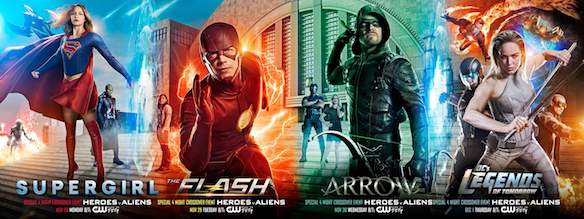
The Flash / Arrow / Legends of TomorrowInvasion!
The Arrowverse’s three-night crossover masquerading as a four-night crossover (Supergirl had one scene, which they repeated in Flash anyway) was certainly a hit for The CW in terms of ratings. Quality-wise… well, it was about on a par with the individual series as a whole, which is to be expected I suppose. It was quite neat that the episodes of Flash and Arrow managed to feel like instalments of their own show as well as part of the crossover — especially Arrow, which was also marking its 100th episode — though that was to the detriment of the overarching story: the alien threat that drove the piece was occasionally sidelined, then hurriedly wrapped-up in a frantic final episode. That last part was ostensibly an instalment of the less-popular Legends of Tomorrow, but their regulars only had a little something to do before being shoved aside in favour of characters from the more popular shows. As I don’t watch Legends anymore I can’t say it bothered me, but I almost felt bad for them. I presume there’ll be another such crossover next season, but hopefully next time they’ll fully embrace it: focus on giving adequate time to the story that brings them all together, rather than trying to concurrently maintain the series’ individuality.
Also watched…
ElementarySeason 5 Episodes 1-3 — you can never have enough Sherlock Holmes.
Outnumbered2016 Christmas Special — another contender for the best comedy of the season. I liked that it wasn’t a big-fuss return, just another vignette from the lives of the Brockmans.
ViciousSeries Finale — conversely, this was as odd and kind-of-funny / kind-of-terrible as it always has been. A fitting way to end, then, I guess.
Things to Catch Up On This month, I have mostly been missing Taboo, the BBC’s dark new period drama starring Tom Hardy and written by Steven Knight. I’m sure I’ll get round to it soon, but then I’ve been saying that about Peaky Blinders (you know, the BBC’s dark period drama written by Steven Knight and sometimes starring Tom Hardy) for years and still haven’t even started it. Its scheduling on BBC One on Saturday nights feels thoroughly at odds with how it looks (surely midweek BBC Two?), but putting a proper drama on our highest-profile channel on its highest-profile night seems to have been a popular move, so what do I know?
120 days until new Twin Peaks…
Next month… Studio Ghibli’s first TV series comes to Amazon Prime… but it’s quite long and it doesn’t look that good, so I’m not sure I’ll bother.
When I started this whole shebang ten years ago, the point was to force my hand into not just watching more films, but specifically more films that I’d never seen (hence why watching stuff I’d seen before doesn’t count). Back then I felt like I wasn’t making enough time for films, especially as there were all sorts of great movies I’d yet to get round to, not to mention my massive pile of unwatched DVDs.
After ten years of doing it, I still have a massive pile of unwatched DVDs, and now Blu-rays too, and there are still plenty of great movies I’ve not got round to… but at least I’ve seen some of them, and a lot more besides. But one thing I’ve spent a decade not doing so much of is rewatching films, whether they be old favourites, new favourites, or things that deserve a second chance. I mean, why watch something I’ve already seen when I can spend that time on something that counts towards my tally? There have been years when just doing that was enough of a struggle, after all.
But it’s been four years since I last failed my eponymous goal (yay me!), and during those last four years I’ve watched an average of 160 new films each year. I have done some rewatching in that time, but only a small number of films — disappointingly small, I’d say — and that’s pretty much how it’s been for the past ten years…
Well no longer, dear readers!
This year I’m adding a new component to my annual goal: in addition to watching at least 100 films I’ve never seen before, I decided to set a target to rewatch more. So I thought, “what should the target be?” A second hundred is patently ridiculous (even if I have watched give-or-take that many films total in each of the last two years). So then I thought, “how about half?” All things considered, 50 seemed a plausible goal — it’s only about one per week. But then I thought, “well, if it’s about one per week, why not make it one per week?” So the goal is 52.
152 films in a year — am I mad?! Well, this is why I mentioned my track record: these days, that number seems feasible to me. I’m also making it easier on myself by not necessarily reviewing the rewatches — as the Ghost of 82 insightfully pointed out recently, it’s the writing that really takes the time.
So, by December 31st 2017 I’ll: watch at least 100 new films, including 10 WDYMYHSes and 12 Blindspots, plus at least 52 rewatches.
I feel like I’m making this once-simple concept a bit complicated now…
As you’ll know from reading my Blindspot post, this year I’ve separated these very similar film-watching goals into two separate projects.
So what differentiates my WDYMYHS selection? Well, to mark my 10th blogiversary (did I do that “did I mention this already” joke already?)* I’ve attempted to identify the films from the last ten years that I really should have seen. Rather than my usual loopy array of repurposed lists, however, I just popped on Letterboxd and dug out the “most popular” film I’d not seen from each of the last ten years. I was interested to discover I already own half of them on Blu-ray, have another downloaded and another recorded, and can find the rest on Netflix, Amazon Prime, and Now TV — one on each, in fact. I mean, I couldn’t’ve planned that more neatly.
Anyway, these ten films — in chronological order — are:
2007 Into the Wild
2008 Gran Torino
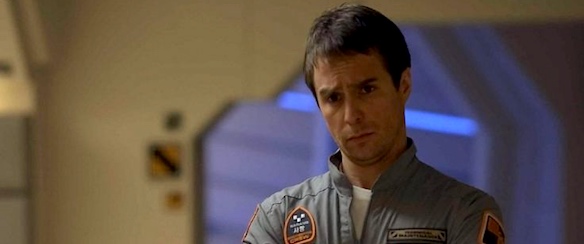
2009 Moon
2010 Black Swan
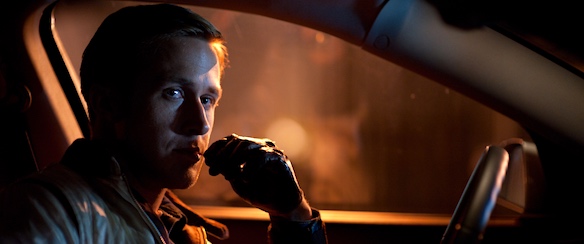
2011 Drive
2012 Silver Linings Playbook
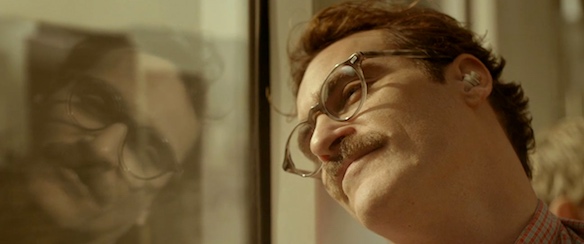
2013 Her
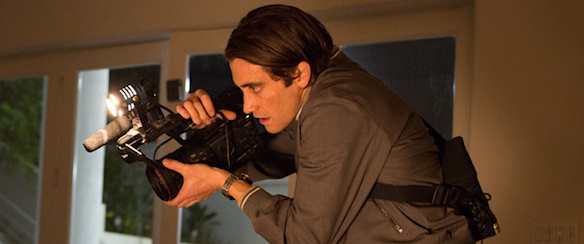
2014 Nightcrawler
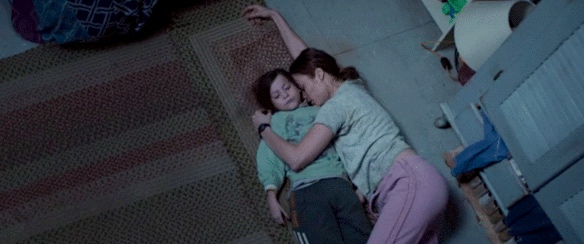
2015 Room
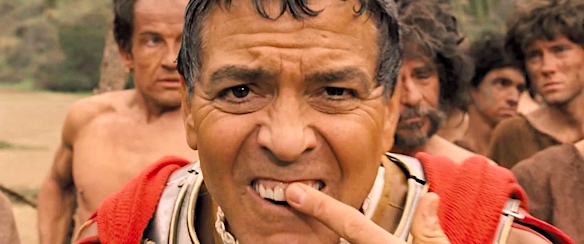
2016 Hail, Caesar!
So that’s 22 films I must watch among this year’s 100. Okay.








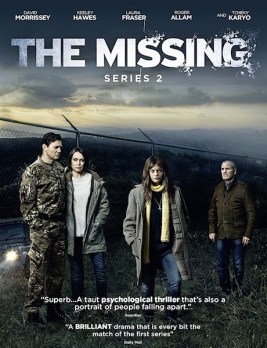 While everybody’s busy fawning over Happy Valley (never watched it) and Line of Duty (series one was quite good; I need to catch up), I reckon The Missing is one of the best dramas British TV has produced in a good long while. The second series (which aired towards the end of last year over here and, coincidentally, started last Sunday in the US) is every bit the equal of the first, and possibly even better — and considering how good the first was, that really is an achievement.
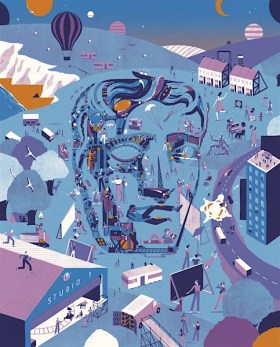 aka the BAFTAs, obv. I have to say, I thought it was a pretty dull show this year. For starters, Cirque du Soleil — impressive, but what’s it got to do with the last year in film? Why did no one write Stephen Fry some good material for his opening monologue? Then there were the awards themselves. Short on surprises — the big prizes went where expected, the smaller ones erred British. None of the American winners are committed to giving a decent speech here because they’re saving it all for the Oscars. Well, apart from the
  It must be a slow time for TV — I don’t even feel like I’ve been missing all that much. Well, X-Men spin-off Legion recently started and I haven’t got round to that yet, and 24 spin-off / sequel / continuation 24: Legacy started in the UK last night, so I’ve barely had a chance to watch it (I’ll have something to say about that next month, then). So I really have no excuse for not watching Westworld yet. Oh, and I need to get on with starting my long-planned re-watch of Twin Peaks, because there are only…



 Favourite Film of the Month














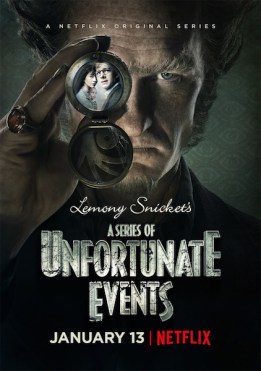 I’ve never read A Series of Unfortunate Events, the 13-book cycle of faux-gothic novels by Lemony Snicket that recount the terrible lives of the Baudelaire orphans as they are stalked by the scheming Count Olaf. I am, however, a verified fan / defender of the 2004 movie adaptation (I even
  As Olaf, Neil Patrick Harris has the difficult task of being both comically inept and genuinely menacing, as well as appearing in any number of disguises (well, four). Opinion seems divided on whether he manages this better than Jim Carrey in the film, but, well, that’s opinions for you. Personally, I thought he was very good. The extra screen time here (what was done in 108 minutes of film is granted 299 minutes of TV) means he has to work at a different level and pace to Carrey, and I think there are multiple moments where he nails it. Similarly, some may think the child actors are guilty of vigorously flat delivery of their lines, but I think this is just another aspect of the Wes Anderson-esque style — as the viewer (and, possibly, the cast) become more accustomed to the material, so the quality of the performances (and/or the perception thereof) improves.
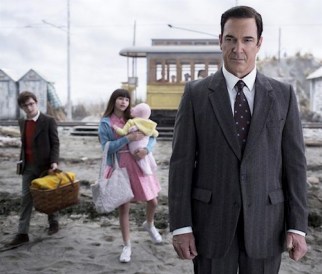 I think most would’ve thought A Series of Unfortunate Events was dead on screen after the film, but this series (and the reaction to it) suggests Netflix have been vindicated for deciding to revive the property. Let’s hope they have the common sense to do the right thing and commission the two more seasons needed to complete this sorry tale. In the meantime, I’m very favourably disposed to read all the books…
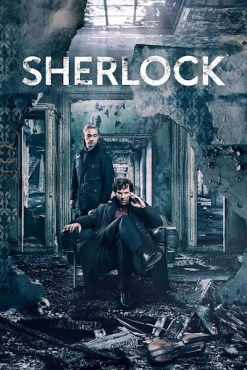 Sherlock comes to an end (for now) with another variable and divisive series. That’s actually the way it’s been received ever since the start (for all the people who think it only lost its way in the third run, there were plenty who slated various parts of it during the first and second series too), so I don’t think we should be so surprised. For my part, I enjoyed it on the whole.
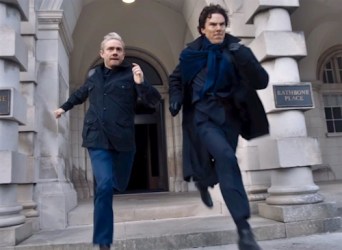 Sherlock’s commitment to being a fast-paced, audience-challenging adventure drama that strives to be constantly engaging and entertaining is definitely commendable, and a welcome contrast to much of the slow, dour TV drama we tend to produce over here — even if the end result is sometimes messy or unpopular. With events in-show leaving our heroes reset to a more familiar Holmesian situation, here’s hoping the big-name cast can be tempted back for a few more adventures in a couple of years.
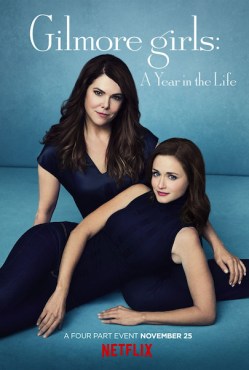 Nine years on and Gilmore Girls graduates from being considered a twee comedy-drama on disparaged network The WB to a major cultural event, thanks to it being produced for the arbiter of all modern televisual culture, Netflix. Instead of 22 42-minute episodes of network TV we get four feature-length instalments, though it’s still very much a series: the pros and cons are shared across the board.
 Bizarrest of all is the problematic ending. Thematically, A Year in the Life begins to look like it might be about moving on, new horizons, that kind of thing — indeed, I kind of expected it to end with Lorelei moving out of Stars Hollow. But the climax — the infamous final four words… well, you could see the development as a signal of a fresh start (very literally, new life), but it doesn’t play that way. Given Rory’s personal story (her career and relationships falling apart) and situation (single, living at home), it’s less a new path forward and more a depressingly regressive loop. If you’re interested in a fuller dissection of these issues, allow me to recommend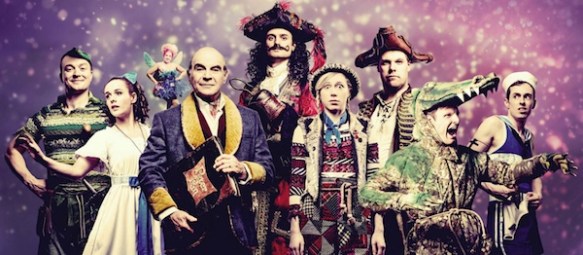
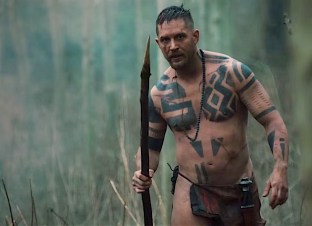 This month, I have mostly been missing Taboo, the BBC’s dark new period drama starring Tom Hardy and written by Steven Knight. I’m sure I’ll get round to it soon, but then I’ve been saying that about Peaky Blinders (you know, the BBC’s dark period drama written by Steven Knight and sometimes starring Tom Hardy) for years and still haven’t even started it. Its scheduling on BBC One on Saturday nights feels thoroughly at odds with how it looks (surely midweek BBC Two?), but putting a proper drama on our highest-profile channel on its highest-profile night seems to have been a popular move, so what do I know?