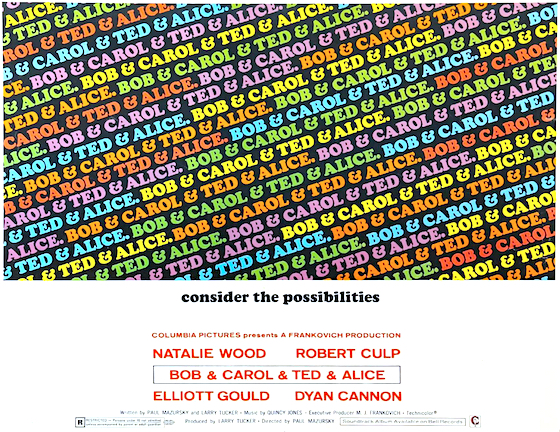
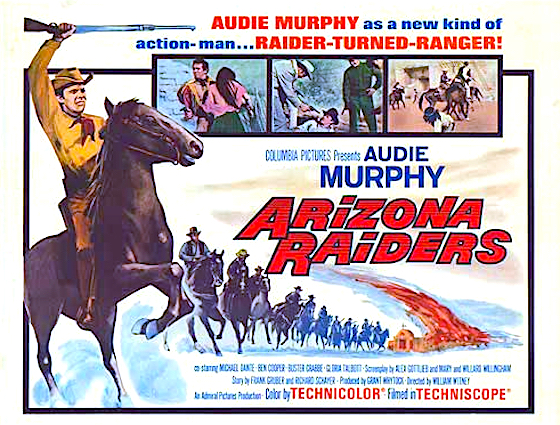
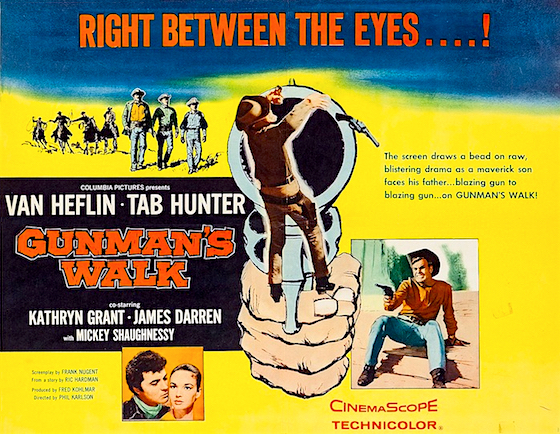
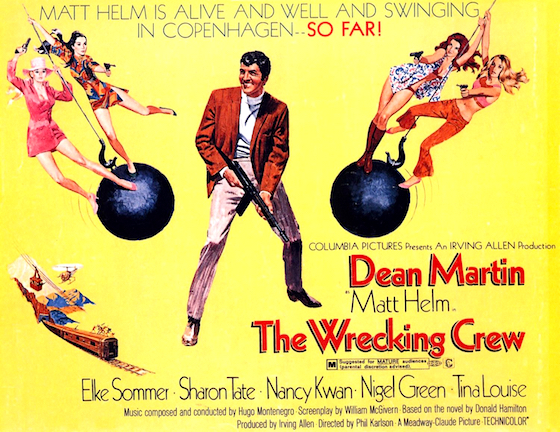
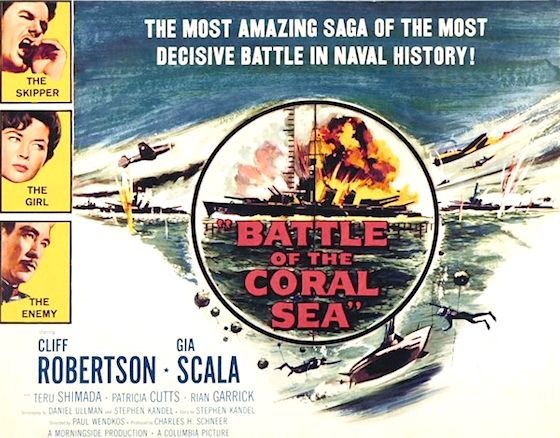
After a couple of months that looked like a throwback to the 100 Films of six years ago (i.e. 2013, the last time I had two consecutive months with five films or fewer), August’s tally looks more like the blog’s past few years. I can thank Quentin Tarantino for that: as you may be aware (especially if you’ve been following my review roundups this month), in advance of Once Upon a Time in Hollywood he programmed a series of ten related movies — and I watched all of them, meaning he single-handedly pushed me back up over the ten-film threshold.
More on all that in a moment. As always, we begin with the list of my viewing…

#105 The Favourite (2018)
#106 Model Shop (1969)
#107 Getting Straight (1970)
#108 Arizona Raiders (1965)
#109 Gunman’s Walk (1958)
#110 Road to Zanzibar (1941)
#111 Miss Pettigrew Lives for a Day (2008)
#112 Hammerhead (1968)
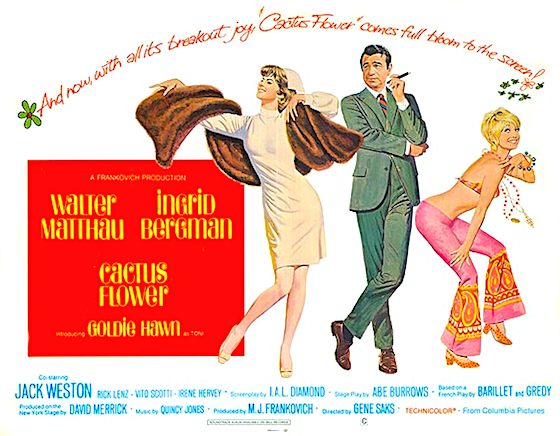
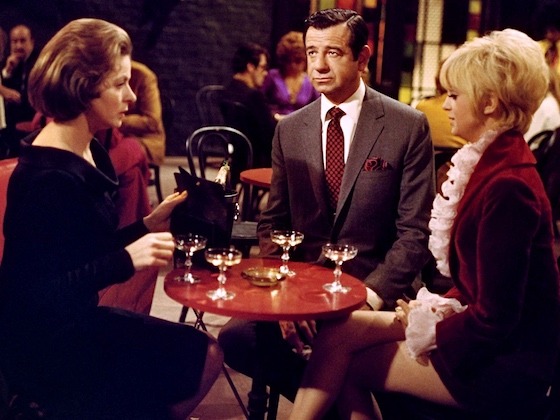
#113 Cactus Flower (1969)
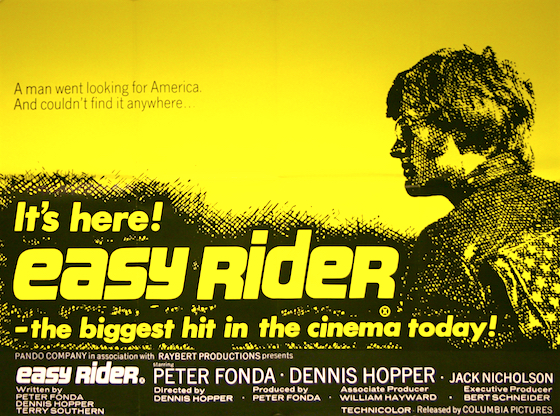
#114 Easy Rider (1969)
#115 The Wrecking Crew (1968)
#116 Battle of the Coral Sea (1959)
#117 Bob & Carol & Ted & Alice (1969)
#118 Zatoichi at Large (1972), aka Zatôichi goyôtabi
#119 Viceroy’s House (2017)
#120 Once Upon a Time in Hollywood (2019)
#121 Rififi (1955), aka Du rififi chez les hommes
#122 Les diaboliques (1955), aka Diabolique



- So, I watched 19 new feature films in August.
- That marks something of a return to normal after a low-totalling June and July. Although, as I said at the start, Quentin Tarantino is mainly to thank for that: if he hadn’t programmed that series of films, this month’s total would be down at nine. (Of course, if I hadn’t been watching those films then I might’ve watched others; but it certainly wouldn’t‘ve been as many.)
- But 19 it is, and that makes it my best August in over a decade. In fact, you have to go right back to 2007, this blog’s first year, to find one with a higher total.
- It also provides a boost to all my flagging stats, beating and increasing the averages for August (previously 11.9, now 12.5), 2019 to date (previously 14.7, now 15.25), and the rolling average of the last 12 months (previously 15.9, now 16.3).
- This month’s viewing also included the 2,000th film listed on my reviews index… but as I haven’t posted 159 of those yet (egads!), I’m actually a long way off genuinely celebrating 2,000 reviews.
- This month’s Blindspot films were a double-bill of exceptional French crime thrillers from 1955, Rififi and Les diaboliques. Watching two means I’ve caught up after missing one in June…
- …but I chose to watch another Blindspot at the expense of this month’s WDYMYHS film, so now I’m behind on that instead. Give with one hand, take away with the other, etc.
- From last month’s “failures” I watched Dumbo (which was also an April failure), and that was it.

The 51st Monthly Arbitrary Awards
 Favourite Film of the Month
Quite a few really good films this month, some of them expected (The Favourite, Once Upon a Time in Hollywood), others very pleasant surprises (Gunman’s Walk, Miss Pettigrew Lives for a Day), but my pick of the bunch is French crime thriller Rififi. The famous half-hour dialogue-free heist scene lives up to its hype, but the rest of the movie is no slouch either.
Least Favourite Film of the Month
While I was watching and writing about that Tarantino marathon, it all felt a bit underwhelming. Reconsidered with hindsight, I did like most of what he scheduled, but it suffered overall because the lows were pretty darn low while the highs weren’t that high. One was my clear least-favourite, however, and that was The Wrecking Crew. As I wrote in my review, “this is the kind of mediocre imitation that gives you a new appreciation for even the worst Bond movies.”
The Audience Award for Most-Viewed New Post of the Month
It’s Tarantino again! Well, sort of. The four roundups I posted of his movie marathon topped this chart for most of the month, with the opening double-bill and the spy-fi selection duking it out for first place (the former won that local derby, by just one view). But such tussles were rendered meaningless when my 50th TV column came storming in (powered, no doubt, by its review of Peaky Blinders season four) to dominate all other new posts. (Though, in terms of all posts, it didn’t even crack the top 20.)























Ohhh dear — I didn’t rewatch any films again. Having also watched none in June, and only one in July, that makes my average for the last quarter of the year 0.3 when it should be 4.2. Totted up, I’m 12 films behind schedule. There’s still four months of the year left, but if I make my goal of 50 I’ll be surprised — I’ll need to up that average from 0.3 to 7.3, a dizzying 24-fold increase.

Despite redoubling my viewing efforts, I still had plenty of misses this month. On the big screen, major titles included actioners Fast & Furious: Hobbs & Show (to use its marginally-shortened UK title) and Angel Has Fallen. Also of note was a theatrical re-release of Apocalypse Now. Well, as it was the new “Final Cut”, you could argue it’s not technically a re-release. It’s also now out on disc in the US, and it was due in the UK too, but late in the day it was pushed back to next month. Hey-ho.
Talking of discs, I picked up quite a few. New releases included Shazam (previously mentioned in April’s failures) and Indicator’s Marlene Dietrich & Josef von Sternberg at Paramount set, which duplicates the six films contained in Criterion’s similar set from 2018, as well as Avengers: Endgame in 3D (which is out tomorrow but turned up yesterday). Plus, thanks to sales and/or discounts, I’ve now added Black Book, Black Hawk Down (in 4K), The Cooler, and, erm, Iron Sky: The Coming Race to my kevyip. Also, just dropping in at the last minute thanks to a brief price drop on Amazon Italy, the Basil Rathbone Sherlock Holmes films in HD — so that’s another 14 movies. Sometimes I feel I need more restraint (though I’ve had my eye on that Holmes set for ages. Waiting has its benefits).
In fact, actually, there were several title of interest that made it to disc but I didn’t purchase: the new Hellboy (forgot to mention that whenever it was in cinemas!); the new Laika, Missing Link; the latest direct-to-video DC animation, Batman: Hush; and a rather spiffy new edition of In Bruges, which is limited and so I’m itching with worry that it’ll sell out before I allocate funds for it. But it’s looking like an expensive few months to come, with several big, limited, expensive box sets on my radar…
Finally, streaming offered nothing new in the movie department, with the possible exception of The Crystal Calls — the making-of for Netflix’s new Dark Crystal TV series, but it’s feature length and listed as a “Netflix Film”, so why shouldn’t it count as a ‘proper’ movie? In terms of non-exclusive stuff coming onto the streamers, added to my Netflix radar were mother!, 3 Idiots (a Bollywood film that’s on the IMDb Top 250), and Shakespeare in Love (one of only two Best Picture winners from the last 30 years that I’ve not seen), while Amazon offered Lars von Trier’s latest, The House That Jack Built, and a film more noteworthy for its troubled production history than anything else (because apparently it’s not very good) Tulip Fever.
That’s 39 films I’ve just listed, vs the 19 I actually watched. Really, there’s no hope…

Well, I’m away (again!) for the first week, so it’s going to be a slow start. But maybe later I’ll manage to get both Blindspot and WDYMYHS back on track at the same time. That’d be nice.







 The writer most popularly known for reviving Doctor Who, Russell T Davies, returns to science fiction for the first time in almost a decade with this acclaimed miniseries. This is a very different kind of sci-fi, though — no space invaders or malicious AI or mad scientists here. No, this story begins in 2019 as we know it and then moves across the next 15 years to explore just where we’re headed, in a realistic and grounded way. It focuses on a normal family from Manchester — four siblings, their grandmother, and assorted spouses and children — and how the changes in society and technology affect them. It’s a story of the ordinary people; the folks who don’t shape history, history happens around and to them.
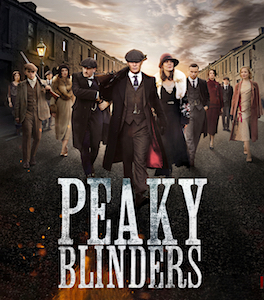 Birmingham’s premier gangsters return with a storyline that forces them to reckon with their past actions. So it’s unfortunate that this is a show that can’t be doing with recaps at the start of episodes. I spent most of the first instalment trying to remember the events of previous series and how they’d led to where things were, which is an unwelcome distraction that could be easily solved with a simple “previously on” at the opening. I don’t know why Netflix hate them so much (well, I do — it’s the assumption you’ll just binge-watch everything, and if you don’t then they want you to feel you have to; and we’re all just buying into what we’re told to do, which is half the problem (funnily enough, that’s a lot of what Years & Years was all about…)
 Where the other shows reviewed this month are big, brassy productions told on a mythic scale, Unforgotten is almost the opposite, and yet it tackles themes no less grand. But it’s a quiet, understated drama, as London detectives Nicola Walker and Sanjeev Bhaskar (along with their team) investigate a cold-case murder, in the process having to tackle the fallout that time has wrought on the victims left behind.
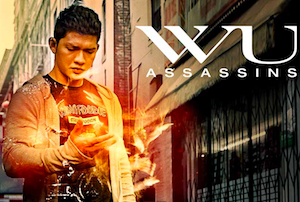 This month, I have mostly been missing Wu Assassins on Netflix, starring Iko “The Raid” Uwais. The trailers look perhaps a bit cheesy, but also promise regular doses of Uwais’ incredible combat skills, so that’ll do me. Elsewhere, Preacher has embarked on its fourth and final season. Considering I’ve not seen most of season two and none of season three, that’s a bigger catchup project. And talking of stuff I’ve not seen, I never got round to Mindhunter season one, even though David Fincher directed some of it, and now there’s a second season, which he’s also partly directed. Considering it’s been five years since