
2008 #22
Billy Wilder | 106 mins | DVD | PG
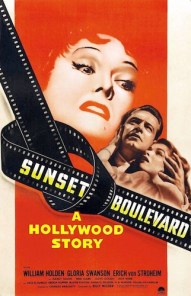 Sunset Blvd. may not be the first movie about the movies, but for the amount of controversy it caused and the impact it’s had it may as well have been. It’s certainly a well respected film — I’m sure I could cite any number of Greatest Films Ever lists it’s turned up on, but everyone always disagrees about those.* Nonetheless, any film with such acclaim attached to it also has more than its fair share of expectation, with anything less than total brilliance liable to falter.
And, to my expectation-laden eyes, falter it does — not fatally, by any means, but enough to damage my opinion. William Holden makes for an effective enough lead, his dialogue and narration peppered with memorable quotes and observations. Gloria Swanson is fantastic as the deluded, pitiable faded star, especially when she sinks to her lowest in the final scenes. The opening is iconic for good reason, the final shot equally glorious, both meaningful and creepy. But the plot has a tendency to meander in the middle, sometimes latching on to half-introduced ideas and characters to vaguely examine another facet of the industry. It certainly has a lot to say about the workings of Hollywood during the studio system and, viewing it 58 years on, what has or hasn’t changed since.
It’s by no means a bad film, just occasionally puzzling when its huge acclaim contrasts with the flaws I perceived. As such, it’s tempting to say Sunset Blvd. is overrated. But really that would be a slightly sensational way of saying I’m not entirely sure what to make of it. One day I’m likely to see it again with better-informed eyes, but for now…

* Incidentally, while I’m mentioning Greatest Films polls, I’ve just discovered The 1,000 Greatest Films, a list that compiles 1,604 different lists to create a ‘definitive’ one. Sunset Blvd. placed 31st on the 2007 update.
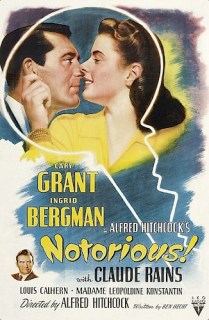 Cary Grant, Ingrid Bergman and Claude Rains star in Alfred Hitchcock’s 7th best film (according to the ever-changing
 Double Indemnity is perhaps the archetypal film noir — unsurprising, really, when you have Raymond Chandler co-adapting a novel by James M. Cain. Present and correct are the femme fatale, dry-witted lead man, voice-over narration, shadowy photography, murder, cover-ups, investigations, twists… The difference to films such as
  Back to catching up on last year’s films that I missed, this time with Beowulf in its Director’s Cut form — which, much to my amusement at the time, prominently featured a BBFC 18 icon on its initial cover art but only received a 12 when classified. Clearly the BBFC didn’t feel the “bolder, never-before-seen images” were any more unsuitable for kiddies than the originals. Personally, I’m not so sure. This version of the film is bloody violent (literally); more so than
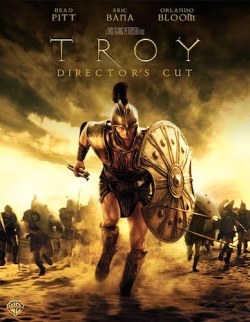 A lot of people didn’t like Wolfgang Petersen’s big budget version of The Iliad. I can’t remember the specific criticisms any more, other than that some friends who’d read the poem found this to be simply laughable. Personally, I quite enjoyed it — it may not be classic art like its source, but the theatrical cut of Troy was a more than passable example of swords-and-sandals entertainment. If not an epic, despite its running time, it was quite fun.
 Another fan documentary (following yesterday’s review of
  One of the more recent entries in the “fan documentary” sub-genre (which also includes the likes of
  Mockumentary from some of the team behind the perennially popular
  100Films.co.uk