
Jun Kawagoe & Monkey Punch | 27 mins | Blu-ray | 16:9 | Japan / Japanese | 15
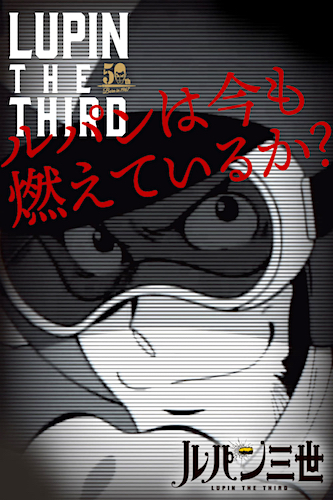
Whether you want to call this a short film or a TV special or something else entirely (it was originally released straight to DVD as a special feature in Japan) is little more than a technicality, really. It’s a sub-40-minute standalone piece, and therefore I’m counting it as a short film (it also has been screened theatrically, so it’s not a totally ridiculous classification).
What it definitely is is a 50th anniversary special for the Lupin the Third franchise. Best known in the West thanks to Hayao Miyazaki’s debut feature, The Castle of Cagliostro, Lupin III is actually a sprawling franchise. Beginning life in 1967 as a manga written and illustrated by a chap called Monkey Punch (I suspect not his birth name), an anime TV series followed in 1971, since when there have been multiple further series, dozens of films (both theatrical and TV specials), plus a couple of attempts at live-action movies, and a bunch of video games and stuff too.
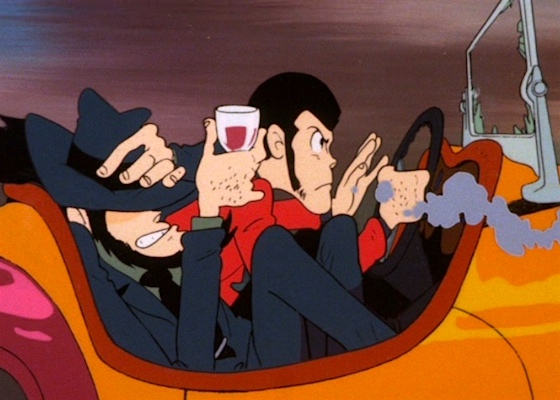
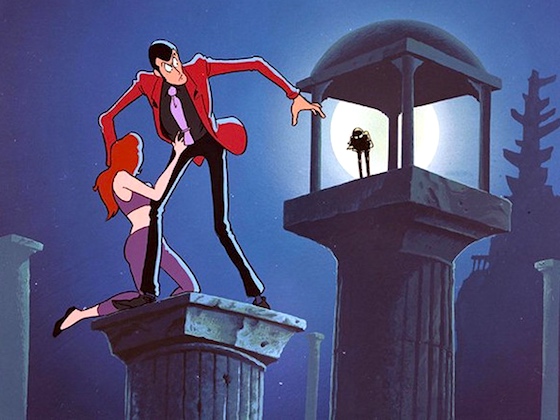
Although this short was produced to mark the birthdate of the comics, it takes its cue from the anime series, the first episode of which was called Is Lupin Burning…?! and had the same setup: Lupin is to take part in a car race, but it’s actually a lethal trap set by his enemies. But from there, this version spins off into some wacky time-travel shenanigans — a way to send our hero back into key adventures and moments from his history, handily.
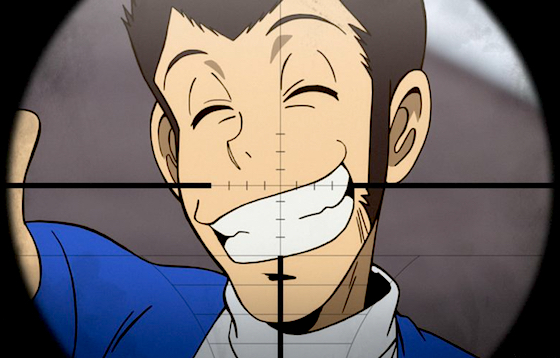
Appropriately for a 50th anniversary special, Is Lupin Still Burning is loaded with references (both major and minor) for diehard fans to enjoy. As someone who has enjoyed a couple of Lupin’s adventures but is a long way from being well-versed in his world, I could tell a load of stuff was flying over my head — almost everything, in fact — which was unfortunate, but understandable. This is clearly a celebration that’s primarily aimed at dyed-in-the-wool fans rather than pleasing or initiating newcomers. That said, it still just about works as a madcap one-off adventure. It’s particularly enjoyable in the kinetic action sequences, like a destructive car race — being held in Nomaco (work out the ‘pun’ for yourself) — that plays out during the opening credits.
The franchise’s only regular female cast member, Fujiko Mine, spends most of the film captured by the villains, strapped to a torture table with her clothing mostly torn off, being tickled by robot hands and stuff like that. Your feelings about all this are your own; I describe it merely for context. Put another way, not all of the “fan service” requires prior knowledge to be, er, serviceable.
I expect if you’re a long-term fan of Lupin III, this fan-service-filled short is deserving of at least 4 stars. As someone without that depth of knowledge, it’s unmistakeable that you’re missing out on plenty. The callbacks aren’t little asides or background nods, but fundamental to the plot of the piece. Nonetheless, I’m giving it a positive score, because it is still enjoyable, even if it’s clearly not really made for the likes of me.


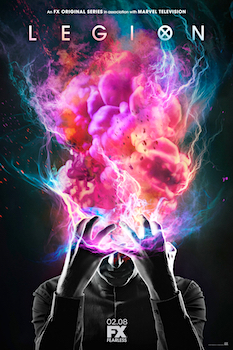 The first live-action X-Men TV series is only tangentially connected to either the movies (there are a couple of vague nods) or even the original comic books (apparently the title character is the only thing taken from them), but instead creator Noah Hawley (the man behind the Fargo TV series) has been allowed free rein to do as he pleases. Turns out that’s a massive mindfuck; a series that’s focused on atmosphere over narrative coherence, full of crazy visuals and abstruse plotting. If you’re thinking, “that sounds a bit Lynchian,” then yes, this is probably the nearest thing we’ll ever get to a David Lynch version of the X-Men.
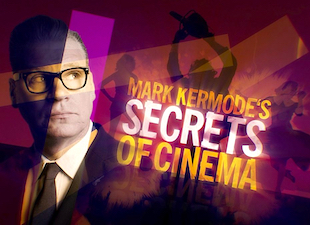 Mark Kermode is our guide for this BBC Four documentary series that seeks to expose the inner workings of movie genres and what makes them so effective. Co-written by Kermode and encyclopaedically knowledgeable movie guru Kim Newman, the series certainly has the chops to take on such a task. Focusing on one genre per episode, it makes an interesting choice to start with romcoms — a massively and enduringly popular type of movie, unquestionably, but one that’s often ignored by serious film analysis. That makes it the perfect choice for a series such as this, because, as the episode makes clear, the whole point of the genre is to do something very, very hard (produce a funny movie with loveable characters) and make it look easy (and when they succeed, that’s why it gets ignored!) As insightful as the first edition was, I preferred the second one, focusing on heist movies, though that’s purely because it’s a genre I’m more disposed toward.
 As I mentioned when I reviewed
  This month, I have mostly been missing Picnic at Hanging Rock, the new adaptation of Joan Lindsay’s novel (perhaps better known from Peter Weir’s 1975 film adaptation), which is currently halfway through airing here in the UK. It looks up my street, so I intend to binge it at some point. Also, Keeping Faith, the BBC Wales drama that was such a hit on iPlayer they’re finally giving it a run on BBC One proper. Oh, and the third series of Unforgotten is also partway through, and they’ve gone and revived The Bletchley Circle too. Who says summer is a quiet time for TV?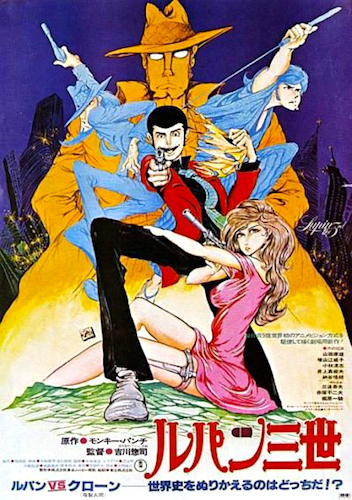

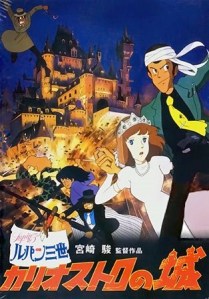 The Castle of Cagliostro, the second animated big-screen spin-off from manga-inspired anime TV series
 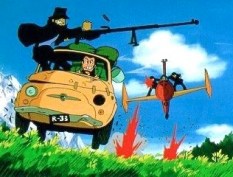 As I mentioned, this is the second spin-off film from a TV series, and at times it does feel like it: characters turn up under the impression the audience already knows who they are and what their connection is to the others. It’s not a major problem — most are introduced well enough within the context of the film that it can still be easily followed — but it’s there.
 Um, where was I? Oh yes: Indiana Jones; Roger Moore-era James Bond — it’s that kind of tone, more or less, and if you enjoy that kind of film then I don’t see why you wouldn’t enjoy this. Unless you think cartoons are for kiddies only (in which case, see the long sentence at the end of the last paragraph).
 100Films.co.uk