
Clint Eastwood | 135 mins | DVD | 15 / R
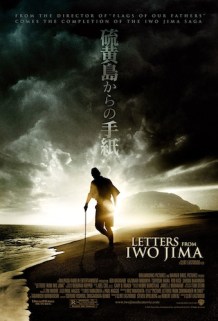 Companion to Flags of Our Fathers, and widely considered the better of the two, showing the same battle from the Japanese perspective.
Letters focuses on the human angle, getting to know the characters as they prepare for battle (the Americans don’t arrive for almost an hour) and through flashbacks. The film aims to humanise ‘The Enemy’ but only succeeds in showing that there were some good people in a society of old-fashioned ideas; the obsession with pointless suicide over genuine use of men may be true, but still seems savage and unpractical (probably more a flaw of the real military attitude than of the film, then). No character who follows this is a good guy; likable ones survive or are Westernised. The Americans we see are a mix too (one shoots captured soldiers for no reason, for example), but this feels like a hollow attempt to depict the filmmakers’ countrymen equally rather than genuinely aiding the concept of the Japanese as good guys.
The action sequences and cinematography owe a lot to Saving Private Ryan — desaturation is becoming a war film cliché. That said, it works here, fitting the bland sandy environment and emphasising bursts of colour from blood and flames.
A mixed film then, the value of which lies not in presenting a view of war, humanity or Japanese culture, but in providing a view (or, indeed, half a view) of this one particular battle.

My thoughts on the first half of this pair can now be read here.
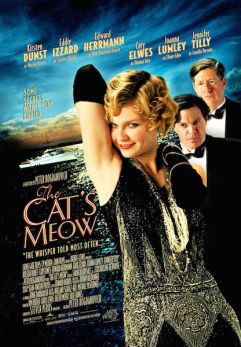 Possibly-true ‘murder mystery’ set in 1920s Hollywood.
 The genesis of this film is a long story (at least, longer than I’d like for this review!) The anime series Neon Genesis Evangelion ends with bizarre theme-centric episodes that fail to conclude the story; a film was produced to re-tell the end from a story-centric position and/or to provide an alternate ending (depending who you believe). This is not that film, but something that was released a bit before that.
 Stephen Fry leads a starry British ensemble in this biopic of poet, novelist, playwright and genius Oscar Wilde. The film focuses not on Wilde’s literary achievements and public life, but on his private relationships with various men, and in particular his obsession with the young Lord ‘Bosie’; of course, eventually, all of these things collide.
 Period drama focusing on the friendship between Queen Victoria and her Highland servant John Brown, alongside political threats faced by the British monarchy in the 1860s.
 Recent adaptation of Patrick Süskind’s popular novel, often considered unfilmable because of its focus on the sense of smell. Tykwer covers for that with strong cinematography, with sumptuously rich visuals and a judicious use of close-ups to evoke beauty or disgust as appropriate (the early birth scene in a fish market is particularly rancid — do not watch this right after eating!)
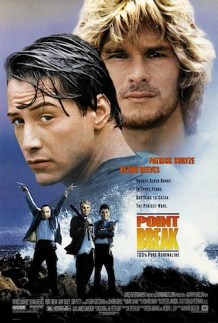 Jock-tastic ’80s-style surfing-based crime thriller. If you’ve seen
 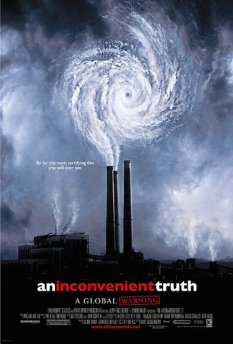 Famous/infamous documentary centred on Al Gore’s presentation about global warming.
 No doubt you’ve heard only bad things about this re-imagining of Gerry Anderson’s ’60s puppet extravaganza (apart from that esteemed publication The Funday Times proclaiming “You’ll love this!” on the DVD cover). Certainly there’s much for fans to hate — dull teen angst, tired moral messages, low budget CGI, an iffy storyline, and a truly horrendous re-mix/ruining of the theme music.
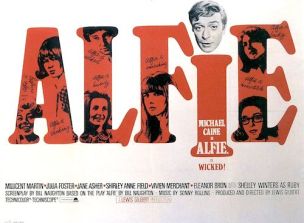 Michael Caine stars as the eponymous London lothario in this ’60s sex-based comedy/drama, which helped bring about a change in British abortion law thanks to its chilling final act.
 100Films.co.uk