
Billy Wilder | 108 mins | download | PG
 Double Indemnity is perhaps the archetypal film noir — unsurprising, really, when you have Raymond Chandler co-adapting a novel by James M. Cain. Present and correct are the femme fatale, dry-witted lead man, voice-over narration, shadowy photography, murder, cover-ups, investigations, twists… The difference to films such as The Big Sleep is that the hero is the villain: our narrator, insurance salesman Walter Neff, conspires with Phyllis Dietrichson to murder her wealthy husband for the payout from an accident insurance policy — the double indemnity clause of the title. Neff even has the perfect plan… but, perhaps, too perfect…
Once again I’m viewing this in the context of its source novel (see previous such reviews), and it makes for a very faithful retelling of Cain’s novel. Some of the subplots are sadly lost, not only for time but probably for reasons of taste (Wilder struggled to get the film made in the first place, as the ostensible heroes are both murders and adulterers), some of the names are changed (maybe there was something objectionable about “Huff” and “Nirdlinger”?), and the ending is modified, perhaps with an eye to partially redeeming Neff. In some ways the film’s variant finale is more in keeping, especially for the character of Keyes, but I expect the merits of both versions could be debated. Chandler’s influence as screenwriter is clear in the dialogue. Many lines and exchanges ring with his unmistakable style, which is generally much wittier than that found in the novel.
The real feat of Double Indemnity The Film is that none of these changes jar too much, leaving us with that rare thing: a film that changes the original, but leaves both as excellent pieces of work.

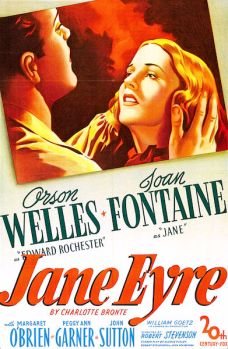 I was meant to read Jane Eyre in the first year of my degree, but, given a week to attempt what seemed a positively enormous tome (I partly blame the edition) and a coinciding essay deadline, I didn’t even attempt it. Instead I settled for a friend summarising it for me — I tuned out halfway through the very long retelling due to boredom, though whether that was the fault of the novel or its summariser I still don’t know. I finally got through Jane Eyre the year before last — not the novel, though, but the BBC’s apparently-definitive adaptation (has it been that long already!), following numerous extremely positive reviews at the time. That was good — because or in spite of the novel, I do not know.
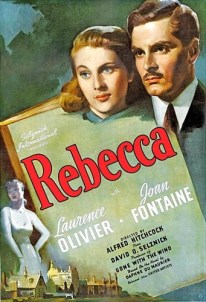 I must confess that I don’t think I’ve come to Rebecca under the best circumstances for judging it as a film in its own right. As with last week’s
 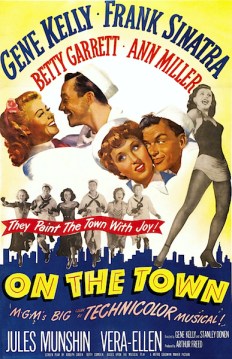 Gene Kelly and Frank Sinatra lead the cast in this musical comedy about three sailors who have 24 hours of shore leave in New York. The plot is sometimes predictable, but at least it’s not as standardised as many. Equally, none of the songs are truly memorable but most are fun while they last.
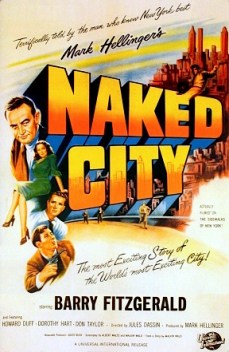 Police procedural film noir, shot entirely on location in New York (unusual at the time).
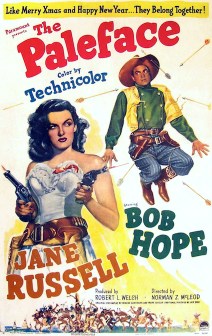 Bob Hope and Jane Russell star in this Wild West comedy, in which Calamity Jane (Russell) has to stop a group of men smuggling rifles to the Indians. It’s clearly designed as pure entertainment, mixing styles in a way no film would dare attempt today — there’s broad comedy, gunfights, horse chases, and even a song or two!
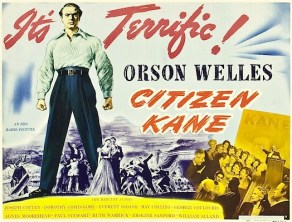 Yes, that’s right: I’m a film buff and I’ve never seen Citizen Kane. I think this is a good occasion to have saved it for though. But I digress — what of the film itself; the film often voted Best Ever in countless polls?
 Classic adaptation of the acclaimed novel. While my experience of Dickens is woefully limited to screen adaptations, this tale is one of my lesser favourites; the first act and elements of the climax are wonderfully Gothic (and here beautifully directed to that effect), but it seems to lack the depth or importance of works such as Bleak House, Oliver Twist or A Christmas Carol.
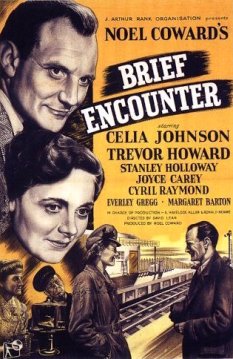 Celia Johnson and Trevor Howard star in the classic romantic drama from highly acclaimed writer Noel Coward and highly acclaimed director David Lean.
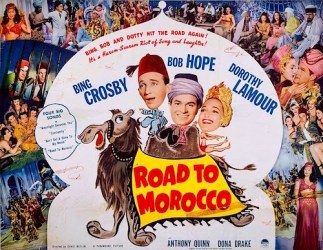 Gentle, silly humour abound in this comedy, the third in the Road to… series. If you remember those plays that Morecambe & Wise used to do you’ll have a fair idea what this feels like, although with a couple of added musical numbers (and pretty good ones at that). It’s not ‘great cinema’ and it won’t be to everyone’s taste, but it makes for a light, fun way to spend not much more than an hour.
 100Films.co.uk