With Marvel Avengers Assemble out on DVD and Blu-ray in the UK next Monday, and Marvel’s The Avengers* out on DVD and Blu-ray in the US a week later on Tuesday 25th**, now seemed as good a time as any to post reviews of the first two Marvel One-Shots.
For those who don’t know, these are short films included on the home ent releases of their big movies, which take place within the same interconnected movie universe. The longest and most significant to date is Item 47, which premiered at this year’s San Diego Comic-Con and is on the DVD/BD of The Avengers. These two come from Thor and Captain America respectively.
Marvel One-Shot: The Consultant
2012 #37a
2011 | Leythum | 4 mins | Blu-ray | 2.35:1 | USA / English | PG
Taking their name from the term for a one-off issue of a comic book, Marvel One-Shots are a series of short films included on Blu-ray (and DVD?) releases of Marvel Studios features, helping bridge gaps in their shared cinematic universe. This first one is included on the BD for Thor, and probably occurs during that film’s timeline, but is really concerned with filling in other holes in the universe.
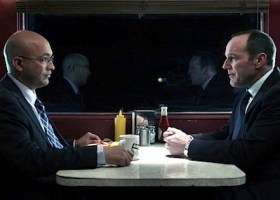 Despite that aim, these aren’t glaring holes that desperately need a fix. Rather they’re join-the-dots enterprises; the thing most people won’t have noticed at all, that fans may have wondered about, that it’s more fun to connect up than strictly necessary. It makes this piece resolutely fan-only — while it’s quite good, it’s more admin than a story in its own right, showing how various films connect together in the lead-up to The Avengers. At least it does that neatly, stringing together new dialogue snippets starring fan-favourite Agent Coulson and another SHIELD agent (from Thor, as it happens) with clips from other Marvel Universe films, mainly The Incredible Hulk.
In short, The Consultant is a fun little diversion, but not an essential element in the construction of Marvel’s Cinematic Universe.
Marvel One-Shot: A Funny Thing Happened on the Way to Thor’s Hammer
2012 #38a
2011 | Leythum | 4 mins | Blu-ray | 2.35:1 | USA / English | 12
The second of Marvel’s two (to date) short films set in their shared Cinematic Universe. This one comes on the Captain America Blu-ray (and DVD?), despite that title. Indeed, it feels like they’re running one film behind with these things — maybe The Avengers will include one related to Cap?
Marvel’s first foray into short films (see above) was a fans-only affair; an exercise in filing that emphasised connections between the fairly disparate early films in their shared universe. This one, however, has more to offer to the casual viewer. Though it specifically mentions Thor in the title, it isn’t tied to that film in any way. In fact, the title just gives fans a spot to place it in the timeline — it could occur at any point.
 It’s a standalone piece, and though it’s brief (under three minutes before the credits role), it still manages to add quite a lot to the character of Agent Coulson, who in the main films to this point has been a minor (albeit increasingly major) supporting role. I suppose it’s fitting that Clark Gregg has been the star of these connecting shorts, as he’s one of the main links across the films (he appears in Iron Man and has key roles in Iron Man 2 and Thor; Samuel L Jackson’s Nick Fury may appear in more films, but he only offers cameos in three of his four appearances (and two of those are post-credits)).
I won’t say what happens to Coulson here, because it’s too short to describe it without ruining all the film has to offer. It’s probably not worth hunting out for its own sake (unless it’s available free on YouTube or something, because what three-minute-film isn’t worth watching free online?), but if you’ve got a disc with it on, or rent one, then it’s worth a watch. It’s a brief blob of fun, and there’s nothing wrong with that.
As I mentioned, The Avengers assemble on UK BD soon, at which point I’ll have a review of Item 47. And Avengers Assemble, of course. And maybe Thor at last too.
* I’ve begun to take some kind of perverse pleasure in the title farrago. ^
** Suck on that, America! What do you mean you get a director’s commentary and an extra featurette? Damn you. ^

 #78 Avengers Assemble, aka Marvel’s The Avengers (2012)
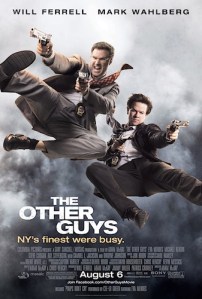 The Other Guys sounded like a great concept; so great I overlooked the fact it’s from the director of the massively over-rated
 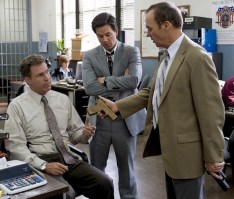 Everyone loves The Rock and Jackson; no one likes Ferrell and Wahlberg; and they’re not assigned the case, they stumble upon it. Wouldn’t it have been more fun if everyone actually hated The Big Damn Heroes who make it hard for the regular guys to do their job? If a pair of normal detectives were assigned The Big Case and had to prove themselves worthy? Maybe even put the Super Pair in the shade, rather than killing them off in the first act?
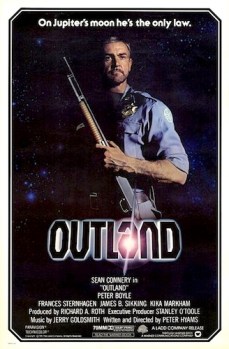 I first encountered Outland in a similar context to a lot of people, I think, based on reviews and whatnot I’ve read; that is, as “
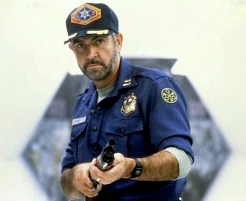 It works as well in space as it does anywhere else.



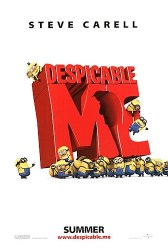


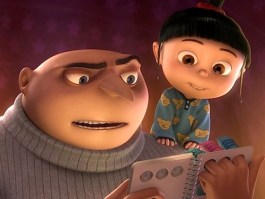
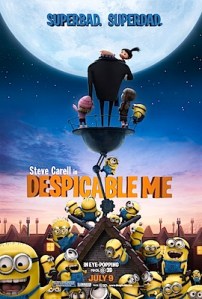 A venture into the increasingly-popular CG family film market from Universal, Despicable Me is about a supervillain who comes to question his evil ways. It was released the same year as the similarly-themed
  The film’s country is officially listed as USA because it’s made with American money, but it feels more like a French production (albeit dubbed with US voices). Look at those directors’ names (though only Coffin is French — Renaud is actually American); it was made entirely in a French studio (Mac Guff in Paris); and it has a kind of feel that doesn’t seem like it came from a US studio. So while technically, yes, it’s American, I don’t think the French side should be wholly ignored. I’m not saying it makes it bad, but perhaps it lessens the apparent superhero feel — that’s a very American genre, after all.
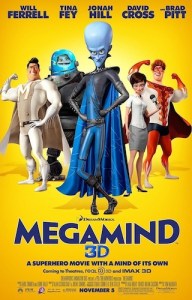 From the co-director of
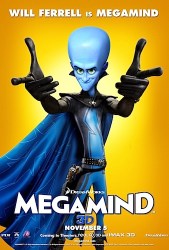
 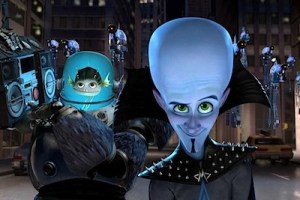 There’s a starry voice cast behind the characters, and fortunately they never overwhelm their roles. Which is good, because I’m not really a fan of Will Ferrell and he’s the lead. There’s also the likes of Brad Pitt, Tina Fey, Jonah Hill and Ben Stiller rounding out proceedings — not that it matters because, as I say, the voices fit their roles seamlessly.
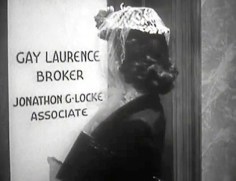 They renamed Gay Falcon’s hero, Gay Falcon, to Gay Lawrence (well, Gay Laurence at first, but I don’t think that really matters), moved his previous surname to be a reasonless Saint-like nickname, and in the lead role cast “Russian-born English film and television actor, singer-songwriter, music composer, and author” (and, later, voice of Shere Khan in
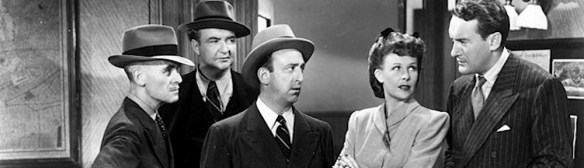
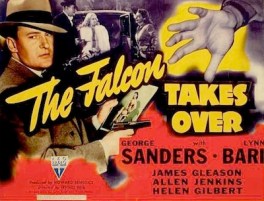 Quite outside of the Falcon film series, this third entry is notable for being the first screen adaptation of a Raymond Chandler novel. Ditching Chandler’s then-unknown Philip Marlowe in favour of the Falcon in the lead role, this is a version of the character’s second mystery, Farewell, My Lovely — which would be
  As usual, it doesn’t have the same je ne sais quoi that makes the Saint films particularly entertaining (yeah, you know I mean wit); and I can well believe it has “
 100Films.co.uk